THE ADVENTURE COLLECTIVE® · Independent discovery and booking for outdoor travel

Trade crowded show camps for an authentic 1-night, 2-day camel safari from Jaisalmer. Ride through quiet dunes, visit local villages, sleep under desert stars and return with a clearer sense of Thar life.
Trade crowded show camps for an authentic 1-night, 2-day camel safari from Jaisalmer. Ride through quiet dunes, visit local villages, sleep under desert stars and return with a clearer sense of Thar life.
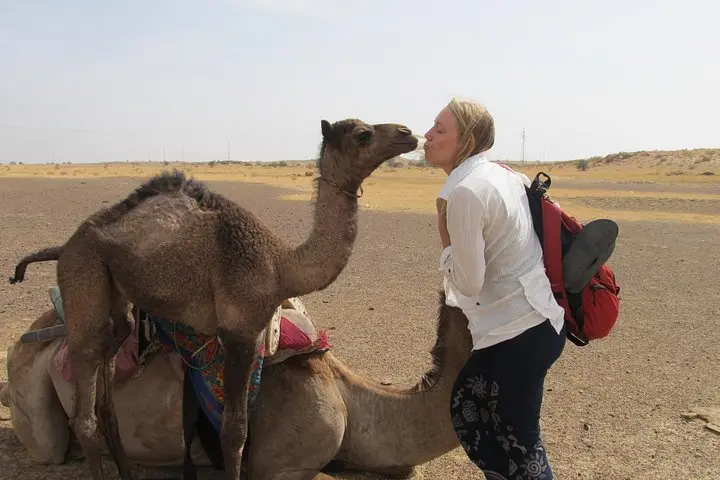
You step out of a jeep where the asphalt ends and the desert begins: wind combs the ridges, a camel breathes warm and patient, and the horizon flattens into long, living lines of sand. The first camel walk heads toward low dunes and a cluster of acacia trees where the midday sun obliges a shaded pause and a simple, fresh lunch prepared on open flame.
Verified experiences and guided adventures in the surrounding area.
Operated by Shahi Camel Safari Jaisalmer · Jaisalmer, Rajasthan
You step out of a jeep where the asphalt ends and the desert begins: wind combs the ridges, a camel breathes warm and patient, and the horizon flattens into long, living lines of sand. The first camel walk heads toward low dunes and a cluster of acacia trees where the midday sun obliges a shaded pause and a simple, fresh lunch prepared on open flame.
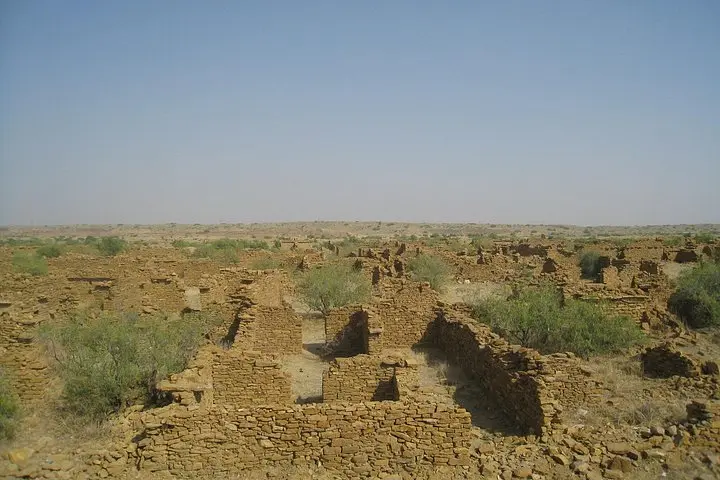
This route threads through the eastern edge of the Thar Desert, the same landscape that guided historic caravan routes between Jaisalmer and Sindh. The dunes here are recent, wind-sculpted sand atop an older, rocky substrate; seasonal grasses and khejri trees mark places where pastoral villages eke out water. Cultural life centers on the camel-men and their families—riders who cook over coal, sing traditional songs at night, and keep living desert skills in practice.
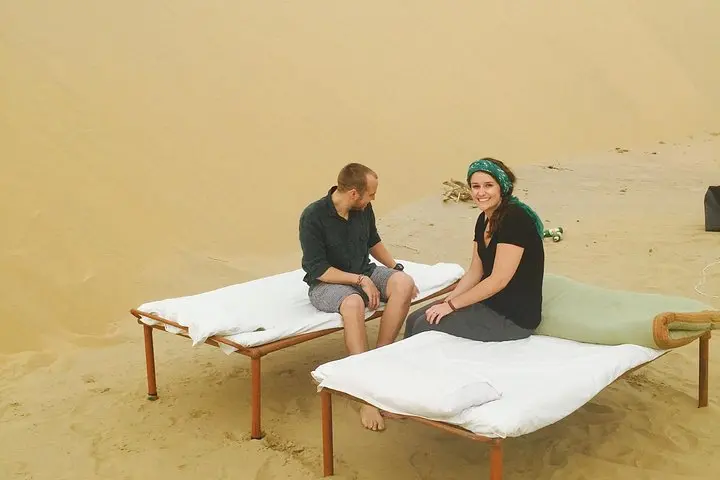
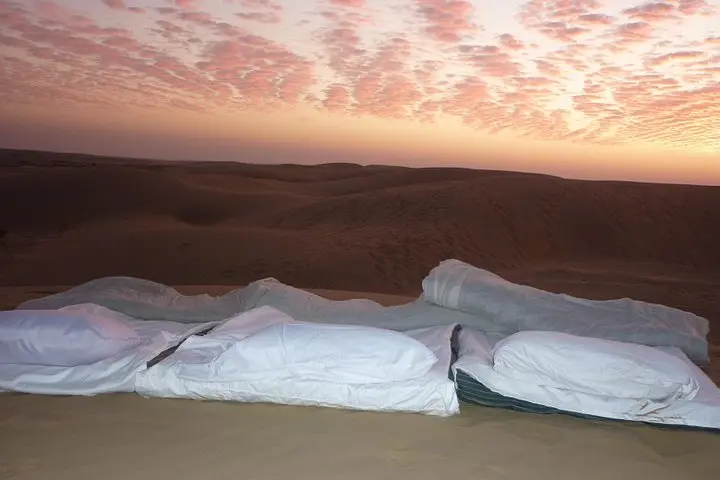
Expect two to three hours of riding each day broken by rests in village shade and lunches cooked by your guides. Night one is a basic desert camp with bedding provided; winter groups often have a bonfire. Wildlife is spare but present—fox tracks, desert larks and occasional gazelle or bustard traces. Practical notes: avoid midday rides in summer, carry ample water and sun protection, and be prepared for cold nights in winter.
This non-touristic option favors quieter dunes and village visits over crowded show camps. It suits travelers wanting a direct, grounded encounter with Thar life: slow camel rhythms, open skies, and hands-on food prepared where it’s always been cooked.
Most operators provide private transfer from central Jaisalmer hotels; confirm pickup location and time when booking.
Yes—fresh, regional meals are prepared by the camel drivers over open flame; expect simple vegetarian and non-vegetarian Rajasthani dishes depending on availability.
Children can participate but should be supervised; the activity is not recommended for pregnant travelers or people with serious back or heart conditions.
Facilities are basic: portable or pit-style toilets at camp stops and limited shower options. Plan for rustic conditions.
Shahi Camel Safari Jaisalmer operates guided outdoor trips and adventures with an emphasis on safety, stewardship, and memorable experiences.
You step out of a jeep where the asphalt ends and the desert begins: wind combs the ridges, a camel breathes warm and patient, and the horizon flattens into long, living lines of sand. The first camel walk heads toward low dunes and a cluster of acacia trees where the midday sun obliges a shaded pause and a simple, fresh lunch prepared on open flame.
You step out of a jeep where the asphalt ends and the desert begins: wind combs the ridges, a camel breathes warm and patient, and the horizon flattens into long, living lines of sand. The first camel walk heads toward low dunes and a cluster of acacia trees where the midday sun obliges a shaded pause and a simple, fresh lunch prepared on open flame.
This route threads through the eastern edge of the Thar Desert, the same landscape that guided historic caravan routes between Jaisalmer and Sindh. The dunes here are recent, wind-sculpted sand atop an older, rocky substrate; seasonal grasses and khejri trees mark places where pastoral villages eke out water. Cultural life centers on the camel-men and their families—riders who cook over coal, sing traditional songs at night, and keep living desert skills in practice.
Expect two to three hours of riding each day broken by rests in village shade and lunches cooked by your guides. Night one is a basic desert camp with bedding provided; winter groups often have a bonfire. Wildlife is spare but present—fox tracks, desert larks and occasional gazelle or bustard traces. Practical notes: avoid midday rides in summer, carry ample water and sun protection, and be prepared for cold nights in winter.
This non-touristic option favors quieter dunes and village visits over crowded show camps. It suits travelers wanting a direct, grounded encounter with Thar life: slow camel rhythms, open skies, and hands-on food prepared where it’s always been cooked.