THE ADVENTURE COLLECTIVE® · Independent discovery and booking for outdoor travel

Listen to whales and dolphins live through an onboard hydrophone on this research-led eco-charter from Noosa. A marine researcher guides the two-hour cruise, blending science, spotting and responsible wildlife viewing.
Listen to whales and dolphins live through an onboard hydrophone on this research-led eco-charter from Noosa. A marine researcher guides the two-hour cruise, blending science, spotting and responsible wildlife viewing.
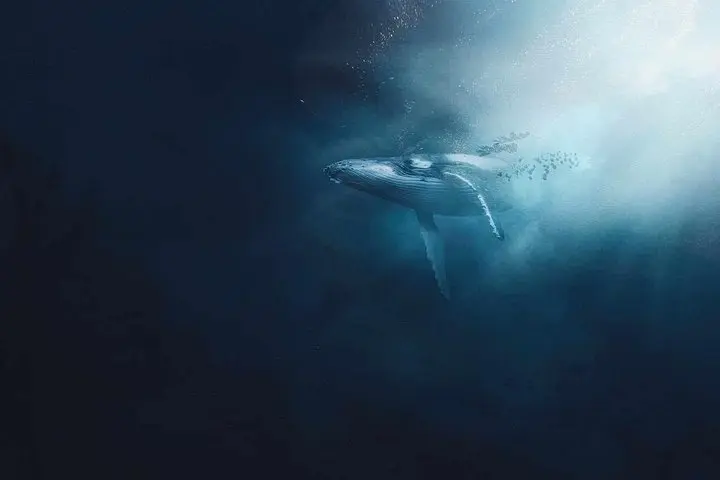
Early light on the Noosa River throws silver across the water as the Big Pelican slips from the jetty. Salt air and a faint motor hum set the rhythm; gulls wheel and the boat’s roof promises shelter if the sun bites. Onboard, a researcher tunes the hydrophone and passes the headset; beneath the hull, whales and dolphins are suddenly audible — clicks, whistles and long, low calls that make the ocean feel alive and conversational.
Verified experiences and guided adventures in the surrounding area.
Operated by Whalesongs Noosa · Noosa Heads, Queensland
Early light on the Noosa River throws silver across the water as the Big Pelican slips from the jetty. Salt air and a faint motor hum set the rhythm; gulls wheel and the boat’s roof promises shelter if the sun bites. Onboard, a researcher tunes the hydrophone and passes the headset; beneath the hull, whales and dolphins are suddenly audible — clicks, whistles and long, low calls that make the ocean feel alive and conversational.
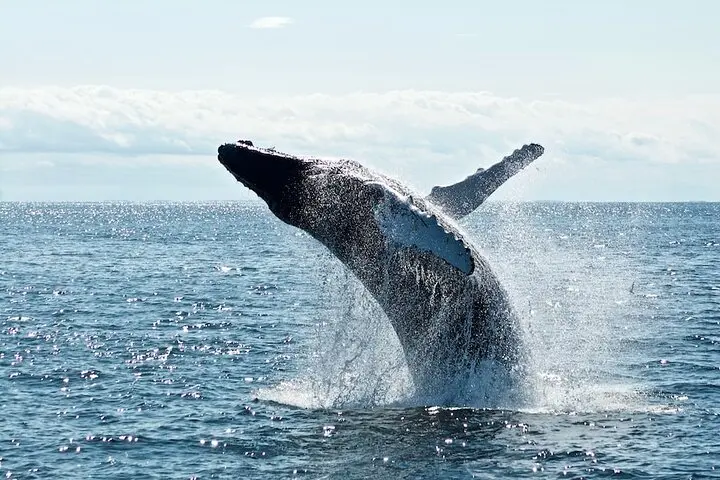
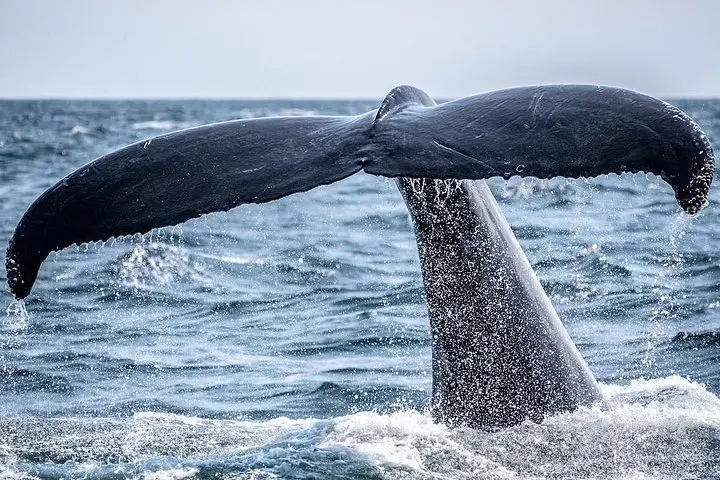
This stretch of coast lies at the northern edge of subtropical Queensland, where Jurassic sandstone headlands of Noosa National Park give way to river estuaries and sandy spits. The area sits on land of the Gubbi Gubbi (Kabi Kabi) people, and modern eco-charters here lean into a conservation ethic developed alongside growing marine research. Humpback whales migrate past these waters seasonally, and local dolphin pods use the river mouths as feeding and social hubs.
Expect a two-hour, education-focused cruise that balances viewing protocol with hands-on learning: live hydrophone audio, naturalist narration, and guided spotting for dorsal fins and blows. The boat’s shallow draft and covered deck make river approaches comfortable, while ocean legs may present swell and spray. Practical notes: bring sun protection, a stable pair of shoes for boarding, and motion-sickness medication if you’re prone to seasickness. Morning departures tend to offer calmer water and better light for photography; late season trips can include surf charters and snorkeling options.
The trip is an approachable, low-impact way to connect with marine life while learning the science behind it — ideal for families, curious travelers, and anyone who wants to hear the sea speak.
The shared eco-charter runs about two hours from boarding to return.
Hydrophones allow live listening when animals are nearby, but detections depend on animal presence and distance.
Yes—this tour is family-friendly; infants and small children can use a stroller on the dock but must be supervised on board.
Yes—the boat broadcasts hydrophone audio over the stereo and you can record sounds on your phone.
Whalesongs Noosa operates guided outdoor trips and adventures with an emphasis on safety, stewardship, and memorable experiences.
Early light on the Noosa River throws silver across the water as the Big Pelican slips from the jetty. Salt air and a faint motor hum set the rhythm; gulls wheel and the boat’s roof promises shelter if the sun bites. Onboard, a researcher tunes the hydrophone and passes the headset; beneath the hull, whales and dolphins are suddenly audible — clicks, whistles and long, low calls that make the ocean feel alive and conversational.
Early light on the Noosa River throws silver across the water as the Big Pelican slips from the jetty. Salt air and a faint motor hum set the rhythm; gulls wheel and the boat’s roof promises shelter if the sun bites. Onboard, a researcher tunes the hydrophone and passes the headset; beneath the hull, whales and dolphins are suddenly audible — clicks, whistles and long, low calls that make the ocean feel alive and conversational.
This stretch of coast lies at the northern edge of subtropical Queensland, where Jurassic sandstone headlands of Noosa National Park give way to river estuaries and sandy spits. The area sits on land of the Gubbi Gubbi (Kabi Kabi) people, and modern eco-charters here lean into a conservation ethic developed alongside growing marine research. Humpback whales migrate past these waters seasonally, and local dolphin pods use the river mouths as feeding and social hubs.
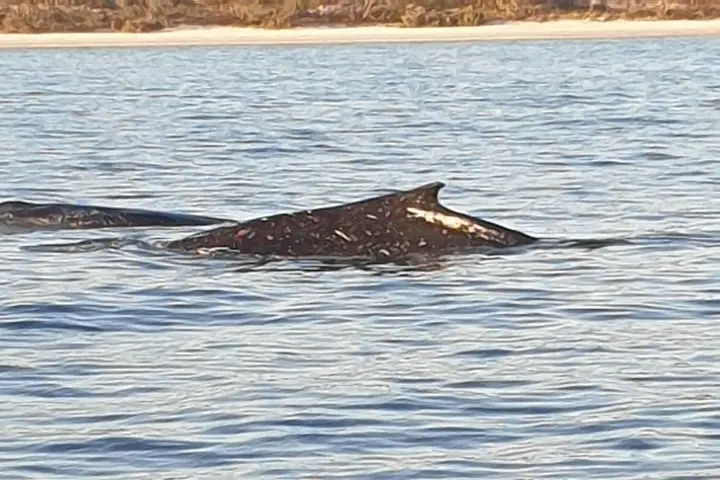
Expect a two-hour, education-focused cruise that balances viewing protocol with hands-on learning: live hydrophone audio, naturalist narration, and guided spotting for dorsal fins and blows. The boat’s shallow draft and covered deck make river approaches comfortable, while ocean legs may present swell and spray. Practical notes: bring sun protection, a stable pair of shoes for boarding, and motion-sickness medication if you’re prone to seasickness. Morning departures tend to offer calmer water and better light for photography; late season trips can include surf charters and snorkeling options.
The trip is an approachable, low-impact way to connect with marine life while learning the science behind it — ideal for families, curious travelers, and anyone who wants to hear the sea speak.