THE ADVENTURE COLLECTIVE® · Independent discovery and booking for outdoor travel

Head out from Noosa Heads for an intimate, small-group whale-watching cruise that tracks Humpbacks as they pass the Noosa Headland. Expect close encounters, expert local commentary, and ever-changing coastal scenery—timing and weather dictate the best viewing.
Head out from Noosa Heads for an intimate, small-group whale-watching cruise that tracks Humpbacks as they pass the Noosa Headland. Expect close encounters, expert local commentary, and ever-changing coastal scenery—timing and weather dictate the best viewing.
Salt spray stings the eyes as the skipper eases the boat out past the headland and the coastline opens into a broad, moving highway. The ocean here feels purposeful—currents pushing pods and solitary giants along the Queensland coast—while the Noosa headland recedes into eucalyptus-streaked cliffs behind you.
Verified experiences and guided adventures in the surrounding area.
Operated by Noosa Ocean Adventures · Noosa Heads, Queensland
Salt spray stings the eyes as the skipper eases the boat out past the headland and the coastline opens into a broad, moving highway. The ocean here feels purposeful—currents pushing pods and solitary giants along the Queensland coast—while the Noosa headland recedes into eucalyptus-streaked cliffs behind you.
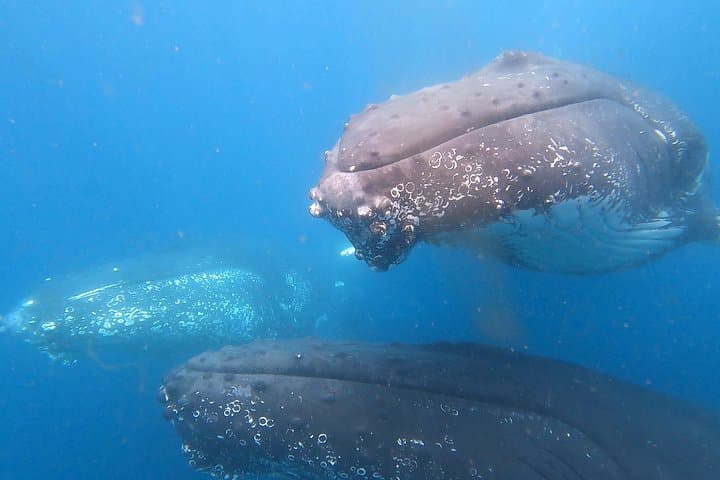
This stretch of water serves as a seasonal corridor for migrating Humpback whales traveling between Antarctic feeding grounds and tropical calving waters. Geologically, Noosa’s headland is coastal sandstone and volcanic remnants carved by sea and wind, offering cliffs and rocky points that funnel marine life into observable channels. The area has long been important to the Gubbi Gubbi (Kabi Kabi) people; today local guides blend natural history with cultural context when whales pass.
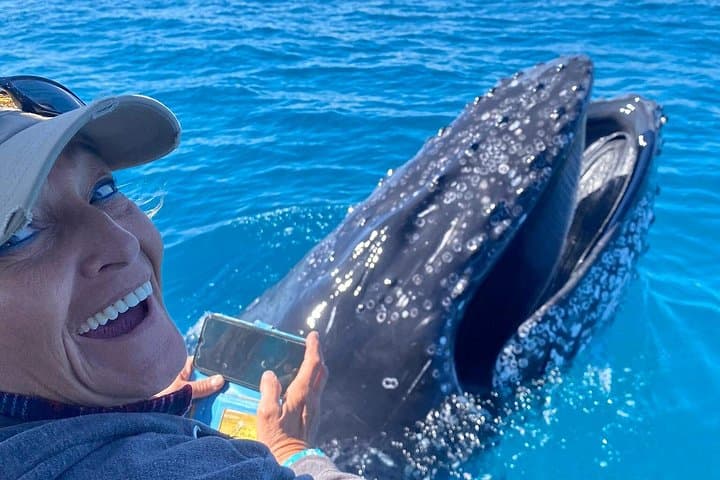
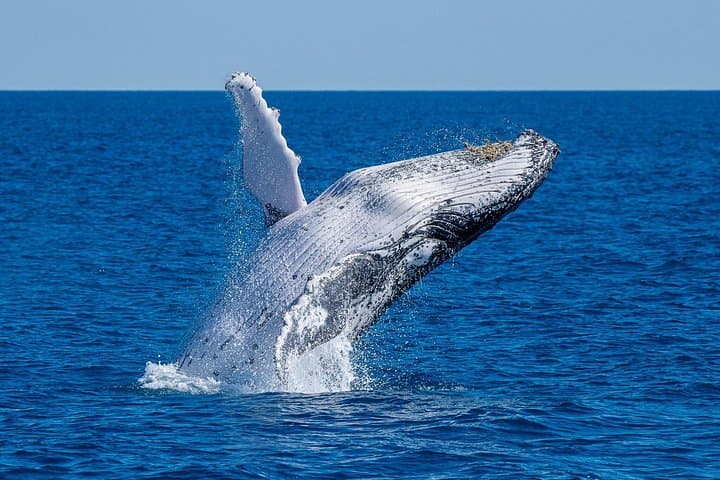
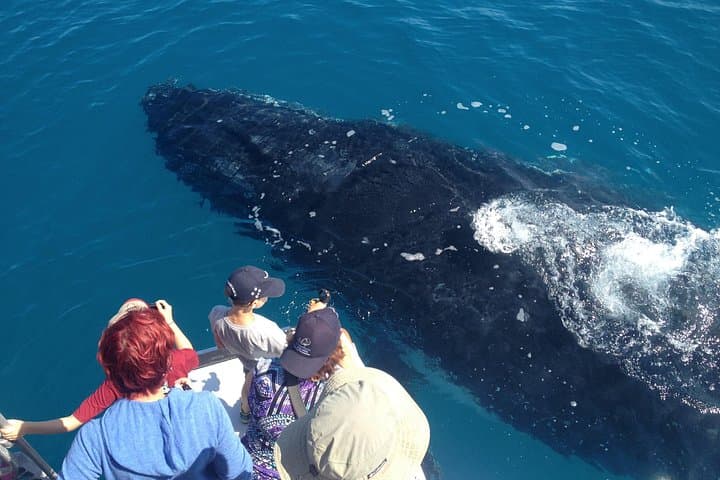
On a two-hour small-group cruise you should expect patient searching, sudden exhalations, and the occasional breach that announces a whale’s presence. Dolphins, turtles and sea birds commonly join the show, and the skipper’s knowledge helps you read blows, flukes and travel patterns.
Practical notes: arrive 30 minutes early for the safety briefing and life jackets. Dress in windproof layers and bring motion-sickness measures if you’re prone to seasickness—waters can be choppy. Photography benefits from a mid-telephoto lens and fast shutter speeds.
Timing is key: peak encounters occur during the Humpback migration (winter–spring), but departures vary with tides—confirm your start time. Expect an intimate group (max 12), certified skipper guidance, and a weather-dependent cancellation policy that prioritizes safety.
The main migration past Noosa generally runs from late May through November, with peak sightings often in winter to early spring.
Skippers follow local regulations and best-practice distancing; expect close but respectful approaches—often tens of meters—balanced with safety and animal welfare.
Small-group formats are family-friendly, but not recommended for those with serious spinal or cardiovascular issues; check accessibility and mobility requirements with the operator.
Tours are weather-dependent and can be canceled for safety; full refunds are typically given if canceled at least 24 hours in advance or by the operator for weather.
Noosa Ocean Adventures operates guided outdoor trips and adventures with an emphasis on safety, stewardship, and memorable experiences.
Salt spray stings the eyes as the skipper eases the boat out past the headland and the coastline opens into a broad, moving highway. The ocean here feels purposeful—currents pushing pods and solitary giants along the Queensland coast—while the Noosa headland recedes into eucalyptus-streaked cliffs behind you.
Salt spray stings the eyes as the skipper eases the boat out past the headland and the coastline opens into a broad, moving highway. The ocean here feels purposeful—currents pushing pods and solitary giants along the Queensland coast—while the Noosa headland recedes into eucalyptus-streaked cliffs behind you.
This stretch of water serves as a seasonal corridor for migrating Humpback whales traveling between Antarctic feeding grounds and tropical calving waters. Geologically, Noosa’s headland is coastal sandstone and volcanic remnants carved by sea and wind, offering cliffs and rocky points that funnel marine life into observable channels. The area has long been important to the Gubbi Gubbi (Kabi Kabi) people; today local guides blend natural history with cultural context when whales pass.
On a two-hour small-group cruise you should expect patient searching, sudden exhalations, and the occasional breach that announces a whale’s presence. Dolphins, turtles and sea birds commonly join the show, and the skipper’s knowledge helps you read blows, flukes and travel patterns.
Practical notes: arrive 30 minutes early for the safety briefing and life jackets. Dress in windproof layers and bring motion-sickness measures if you’re prone to seasickness—waters can be choppy. Photography benefits from a mid-telephoto lens and fast shutter speeds.
Timing is key: peak encounters occur during the Humpback migration (winter–spring), but departures vary with tides—confirm your start time. Expect an intimate group (max 12), certified skipper guidance, and a weather-dependent cancellation policy that prioritizes safety.