THE ADVENTURE COLLECTIVE® · Independent discovery and booking for outdoor travel

Glide across frozen lakes near Stockholm with guides who pick safe natural ice, teach Nordic technique, and serve fika on the shore. This full-day outing includes transfers, equipment, and a hot lunch — ideal for newcomers who want a hands-on winter adventure.
Glide across frozen lakes near Stockholm with guides who pick safe natural ice, teach Nordic technique, and serve fika on the shore. This full-day outing includes transfers, equipment, and a hot lunch — ideal for newcomers who want a hands-on winter adventure.
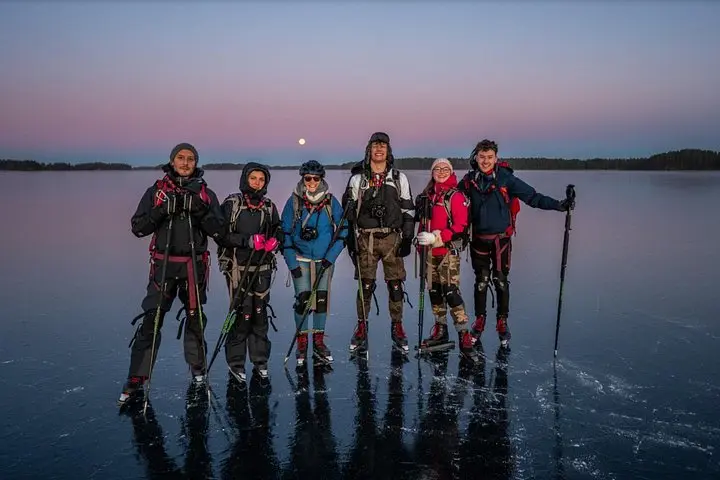
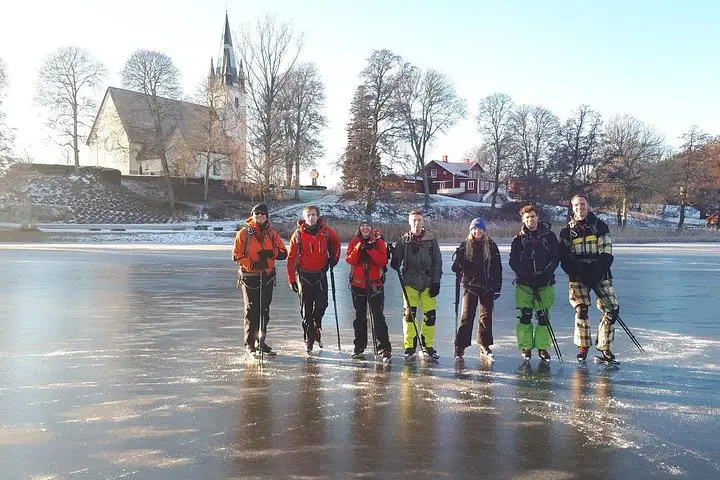
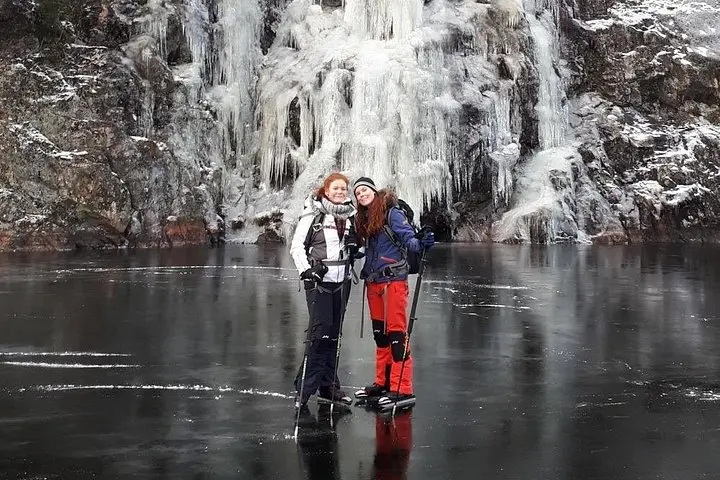
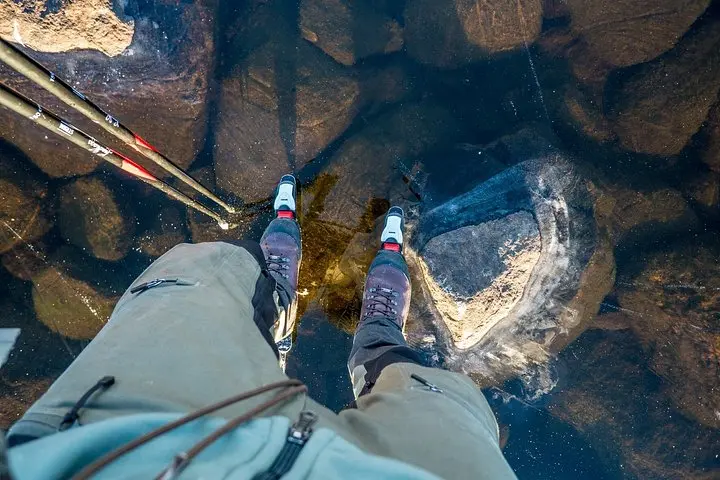
A coach pulls off the highway and a hush falls over the morning: the lake ahead reflects a hard, pale sky and the wind pushes light snow into small, bright ridges. Participants swap city boots for Nordic skates, strap on poles and helmets, and listen to a crisp safety briefing before stepping out onto natural ice that can feel both glass-smooth and alive underfoot.
Verified experiences and guided adventures in the surrounding area.
Operated by The Green Trails · Stockholm, Stockholm County
A coach pulls off the highway and a hush falls over the morning: the lake ahead reflects a hard, pale sky and the wind pushes light snow into small, bright ridges. Participants swap city boots for Nordic skates, strap on poles and helmets, and listen to a crisp safety briefing before stepping out onto natural ice that can feel both glass-smooth and alive underfoot.
The region’s lakes and sheltered Baltic inlets are products of the last ice age—shallow basins and rocky skerries carved by glaciers—and they freeze in patterns that reward local knowledge. Nordic skating itself has long roots in Scandinavia, once a winter means of travel and now a focused discipline that uses longer blades and poles to cover long distances efficiently. The local habit of fika — a hot drink and baked good on the shore — is built into the day, and guides blend practical instruction with stories about the archipelago’s maritime history and friluftsliv, Sweden’s outdoor way of life.
Practically, expect a 6–8 hour outing: gearing and minibus transfer from a Stockholm base, a safety demo, a few hours of guided skating with shore breaks, and a hot lunch. Guides supply skates, boots, poles, helmets and pads; participants should layer synthetic or wool clothing, bring warm gloves and sun protection, and be ready for last-minute route choices if ice conditions change. If skating isn’t safe, groups commonly switch to a guided winter hike. For beginners the progression is gentle: balance and stride drills move quickly into open-ice touring, and the guide paces the day to match skill and weather.
If guides judge local ice unsafe, the group will typically switch to a guided winter hike; the operator monitors conditions and chooses the safest option.
No; the tour is designed for beginners with on-ice instruction in balance, stride and stopping before open-ice touring.
Yes — Nordic skates, boots, poles, helmets and protection pads from top brands are supplied; send EU shoe size in advance so equipment is ready.
Temperatures can be well below freezing with wind chill; wear layered synthetic/wool garments, insulated gloves, hat, and avoid cotton.
The Green Trails operates guided outdoor trips and adventures with an emphasis on safety, stewardship, and memorable experiences.
A coach pulls off the highway and a hush falls over the morning: the lake ahead reflects a hard, pale sky and the wind pushes light snow into small, bright ridges. Participants swap city boots for Nordic skates, strap on poles and helmets, and listen to a crisp safety briefing before stepping out onto natural ice that can feel both glass-smooth and alive underfoot.
A coach pulls off the highway and a hush falls over the morning: the lake ahead reflects a hard, pale sky and the wind pushes light snow into small, bright ridges. Participants swap city boots for Nordic skates, strap on poles and helmets, and listen to a crisp safety briefing before stepping out onto natural ice that can feel both glass-smooth and alive underfoot.
The region’s lakes and sheltered Baltic inlets are products of the last ice age—shallow basins and rocky skerries carved by glaciers—and they freeze in patterns that reward local knowledge. Nordic skating itself has long roots in Scandinavia, once a winter means of travel and now a focused discipline that uses longer blades and poles to cover long distances efficiently. The local habit of fika — a hot drink and baked good on the shore — is built into the day, and guides blend practical instruction with stories about the archipelago’s maritime history and friluftsliv, Sweden’s outdoor way of life.
Practically, expect a 6–8 hour outing: gearing and minibus transfer from a Stockholm base, a safety demo, a few hours of guided skating with shore breaks, and a hot lunch. Guides supply skates, boots, poles, helmets and pads; participants should layer synthetic or wool clothing, bring warm gloves and sun protection, and be ready for last-minute route choices if ice conditions change. If skating isn’t safe, groups commonly switch to a guided winter hike. For beginners the progression is gentle: balance and stride drills move quickly into open-ice touring, and the guide paces the day to match skill and weather.