THE ADVENTURE COLLECTIVE® · Independent discovery and booking for outdoor travel

Escape the coastal crowds and spend a day in Bali’s cool highlands—from the UNESCO rice terraces of Jatiluwih to the floating illusion of Ulun Danu Bratan and the twin cascades of Banyumala. This one-day loop blends short walks, cultural stops and photogenic viewpoints.
Escape the coastal crowds and spend a day in Bali’s cool highlands—from the UNESCO rice terraces of Jatiluwih to the floating illusion of Ulun Danu Bratan and the twin cascades of Banyumala. This one-day loop blends short walks, cultural stops and photogenic viewpoints.
Mist hangs low over a volcanic ridge as the minivan winds up from central Bali, and the air cools enough to make the rice terraces gleam. Step out into Jatiluwih’s broad green ribs—contour lines of rice paddies fed by the island’s ancient Subak irrigation—and you’ll feel the landscape working: water moving, people tending, seasons turning.
Verified experiences and guided adventures in the surrounding area.
Operated by Bali Trip Lover · Bedugul, Bali
Mist hangs low over a volcanic ridge as the minivan winds up from central Bali, and the air cools enough to make the rice terraces gleam. Step out into Jatiluwih’s broad green ribs—contour lines of rice paddies fed by the island’s ancient Subak irrigation—and you’ll feel the landscape working: water moving, people tending, seasons turning.
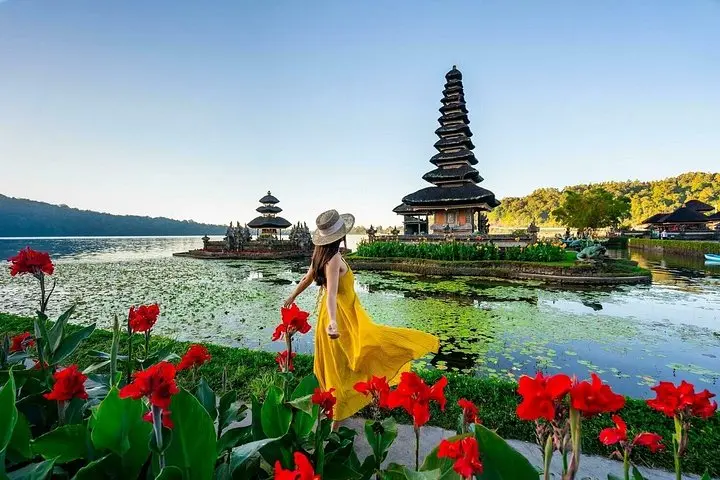
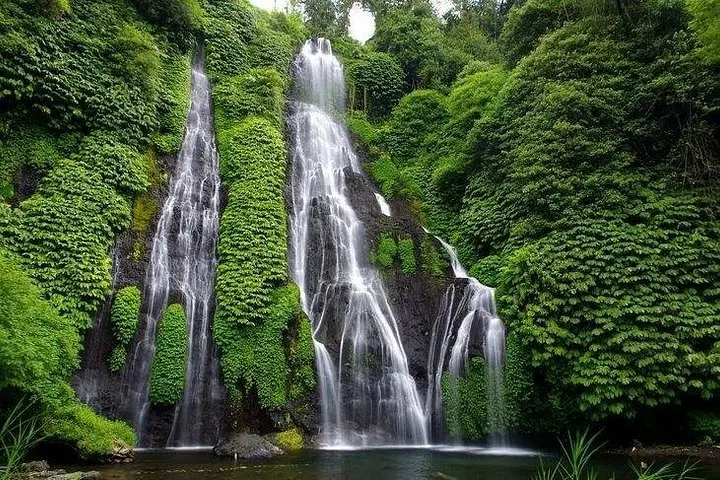
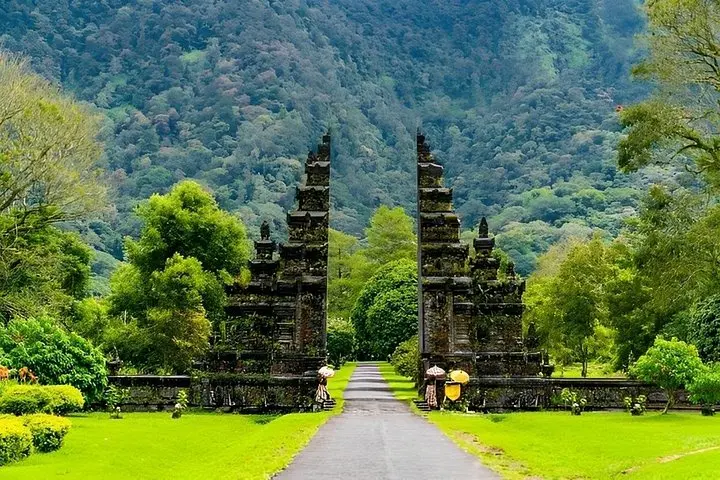
This loop through north Bali combines cultural landmarks and geological drama. Ulun Danu Bratan sits like a carved offering on a lake formed in a volcanic caldera; the temple’s layered meru roofs reflect local Hindu-Balinese devotion to lakes and mountain spirits. The Handara Gate frames peat-dark hills and mist-swept ridgelines shaped by volcanic soils, while Banyumala’s twin cascades drop through basalt steps into clear jungle pools.
Expect a mixed day of short walks, photo stops and a 20–40 minute descent to the waterfall; terrain ranges from paved viewpoints to slippery stone at river edges. Local guides will explain Subak water-sharing traditions, the temple’s role in agrarian rites and how volcanic soil creates the rice terraces’ fertility.
Practical guidance: start early to catch cool light and avoid crowds, wear grippy shoes for slick jungle rocks, and carry a reusable water bottle—the tour provides bottled water but more is useful for walking. Dress modestly for temple visits (sarong available at most sites) and keep a small amount of cash for offerings or local snacks. Rain is possible year-round in the highlands; a compact rain jacket and quick-dry layers make the day comfortable. With easy walking and rich cultural context, this route is ideal for travelers who want scenic photography, short hikes and a quiet look at Bali beyond the beach.
The tour typically runs 8–10 hours, depending on traffic and how long you spend at each stop.
Yes—this tour package includes admission fees to the listed attractions as part of the booking.
Swimming is often possible in the waterfall pool, but conditions vary—follow your guide’s advice about currents and slippery rocks.
The day is rated easy but includes uneven paths and steps, especially at the waterfall; travelers with mobility challenges should check specific accessibility details beforehand.
Bali Trip Lover operates guided outdoor trips and adventures with an emphasis on safety, stewardship, and memorable experiences.
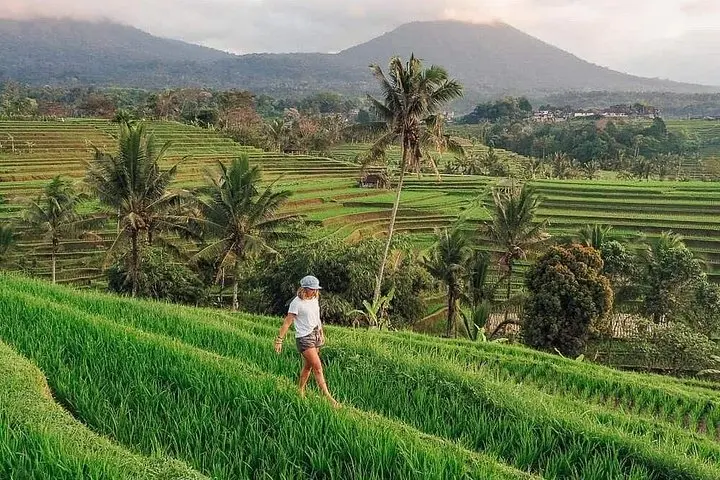
Mist hangs low over a volcanic ridge as the minivan winds up from central Bali, and the air cools enough to make the rice terraces gleam. Step out into Jatiluwih’s broad green ribs—contour lines of rice paddies fed by the island’s ancient Subak irrigation—and you’ll feel the landscape working: water moving, people tending, seasons turning.
Mist hangs low over a volcanic ridge as the minivan winds up from central Bali, and the air cools enough to make the rice terraces gleam. Step out into Jatiluwih’s broad green ribs—contour lines of rice paddies fed by the island’s ancient Subak irrigation—and you’ll feel the landscape working: water moving, people tending, seasons turning.
This loop through north Bali combines cultural landmarks and geological drama. Ulun Danu Bratan sits like a carved offering on a lake formed in a volcanic caldera; the temple’s layered meru roofs reflect local Hindu-Balinese devotion to lakes and mountain spirits. The Handara Gate frames peat-dark hills and mist-swept ridgelines shaped by volcanic soils, while Banyumala’s twin cascades drop through basalt steps into clear jungle pools.
Expect a mixed day of short walks, photo stops and a 20–40 minute descent to the waterfall; terrain ranges from paved viewpoints to slippery stone at river edges. Local guides will explain Subak water-sharing traditions, the temple’s role in agrarian rites and how volcanic soil creates the rice terraces’ fertility.
Practical guidance: start early to catch cool light and avoid crowds, wear grippy shoes for slick jungle rocks, and carry a reusable water bottle—the tour provides bottled water but more is useful for walking. Dress modestly for temple visits (sarong available at most sites) and keep a small amount of cash for offerings or local snacks. Rain is possible year-round in the highlands; a compact rain jacket and quick-dry layers make the day comfortable. With easy walking and rich cultural context, this route is ideal for travelers who want scenic photography, short hikes and a quiet look at Bali beyond the beach.