THE ADVENTURE COLLECTIVE® · Independent discovery and booking for outdoor travel

Follow a 3‑4 hour trail along Terceira’s north coast where basalt cliffs meet the Atlantic. This guided hike pairs volcanic geology, seabird colonies and coastal panoramas with practical support like hotel pickup and snacks.
Follow a 3‑4 hour trail along Terceira’s north coast where basalt cliffs meet the Atlantic. This guided hike pairs volcanic geology, seabird colonies and coastal panoramas with practical support like hotel pickup and snacks.
You step from a narrow lane onto a basalt spine where the Atlantic immediately demands attention: waves push and pry at the cliffs, spray spitting salt into the wind, and gulls wheel like punctuation marks above the sea. The trail follows Terceira’s north edge, trading manicured roads for raw volcanic shore—black rock, fissured columns and grassy ledges that fall away to the surf.
Verified experiences and guided adventures in the surrounding area.
Operated by BLIKA · Angra do Heroísmo, Azores
You step from a narrow lane onto a basalt spine where the Atlantic immediately demands attention: waves push and pry at the cliffs, spray spitting salt into the wind, and gulls wheel like punctuation marks above the sea. The trail follows Terceira’s north edge, trading manicured roads for raw volcanic shore—black rock, fissured columns and grassy ledges that fall away to the surf.
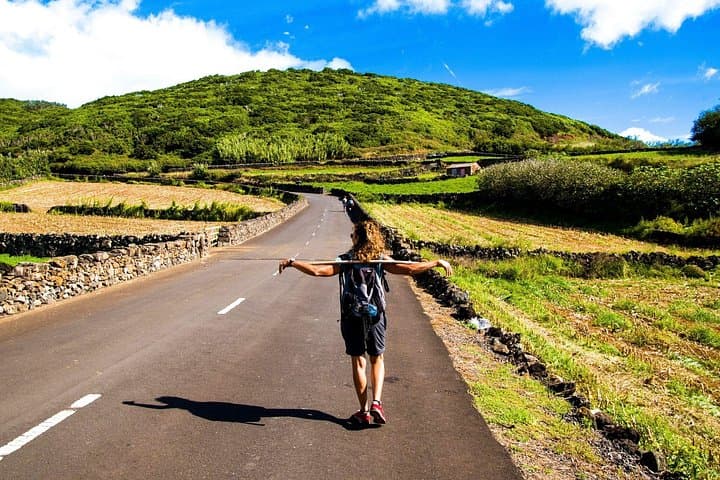
This coast is geological storytelling: islands born from submarine eruptions, layered lava flows and later sculpted by wind and wave. Angra do Heroísmo—nearby and a UNESCO-listed port—adds human scale, its history of maritime trade and whaling reflected in local place names and small fishing coves. Along the path you’ll notice seabird nesting sites and signals of a culture adapted to weather and sea: modest stone houses, terraced plots and the occasional dry-stacked wall.
The hike is typically 3–4 hours, suited to hikers with a moderate level of fitness. Terrain includes uneven basalt slabs, compacted dirt and short steep sections with 150–300 m of cumulative ascent. Expect wind-swept exposure, sudden weather shifts and panoramic viewpoints where cliffs drop into the surf. Guides point out endemic plants and nesting guillemots while offering safe lines on narrow stretches.
Practical advice: wear grippy boots, layer for wind and spray, carry 1–2 liters of water and a light first-aid kit, and time the walk for morning or late afternoon to avoid the gustiest conditions. Hotel pickup and bottled water are often provided, making logistics simple for a focused, elemental coastal hike.
The guided route lasts about 3–4 hours and is rated moderate—expect uneven basalt, short steep sections and 150–300 m cumulative ascent.
Yes; the tour includes a guide, hotel pick up and drop off, bottled water and snacks as listed in the inclusions.
Common sightings include seabirds such as Atlantic puffins and common guillemots; marine mammals are rarer but possible offshore.
The route is not recommended for travelers with serious spinal, heart conditions or for pregnant guests; children should be supervised and able to manage uneven terrain.
BLIKA operates guided outdoor trips and adventures with an emphasis on safety, stewardship, and memorable experiences.
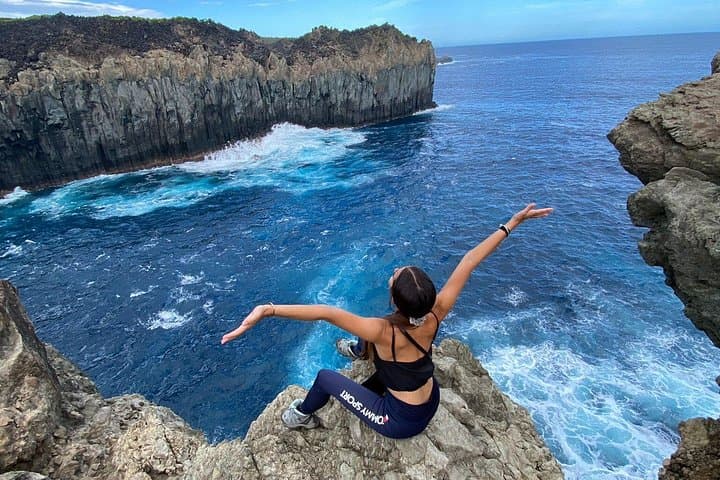
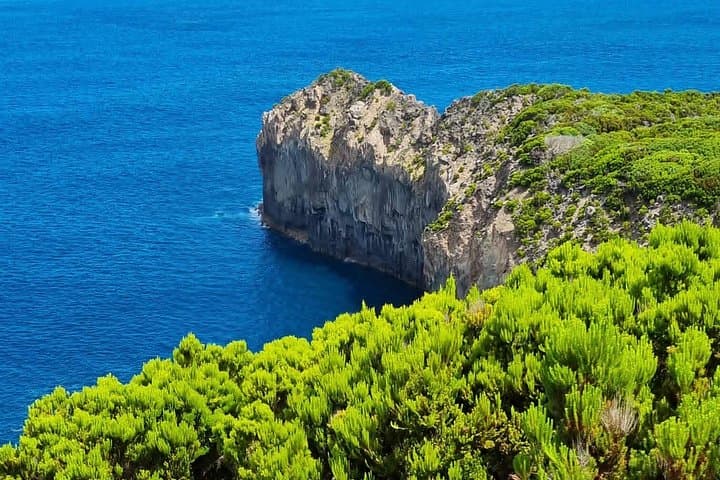
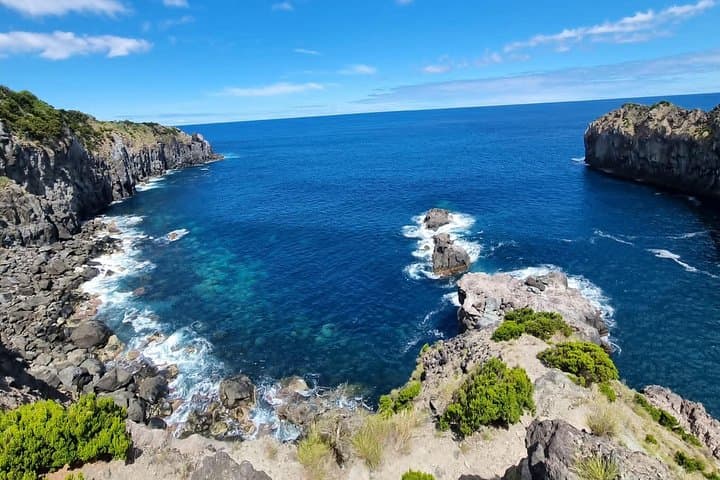
You step from a narrow lane onto a basalt spine where the Atlantic immediately demands attention: waves push and pry at the cliffs, spray spitting salt into the wind, and gulls wheel like punctuation marks above the sea. The trail follows Terceira’s north edge, trading manicured roads for raw volcanic shore—black rock, fissured columns and grassy ledges that fall away to the surf.
You step from a narrow lane onto a basalt spine where the Atlantic immediately demands attention: waves push and pry at the cliffs, spray spitting salt into the wind, and gulls wheel like punctuation marks above the sea. The trail follows Terceira’s north edge, trading manicured roads for raw volcanic shore—black rock, fissured columns and grassy ledges that fall away to the surf.
This coast is geological storytelling: islands born from submarine eruptions, layered lava flows and later sculpted by wind and wave. Angra do Heroísmo—nearby and a UNESCO-listed port—adds human scale, its history of maritime trade and whaling reflected in local place names and small fishing coves. Along the path you’ll notice seabird nesting sites and signals of a culture adapted to weather and sea: modest stone houses, terraced plots and the occasional dry-stacked wall.
The hike is typically 3–4 hours, suited to hikers with a moderate level of fitness. Terrain includes uneven basalt slabs, compacted dirt and short steep sections with 150–300 m of cumulative ascent. Expect wind-swept exposure, sudden weather shifts and panoramic viewpoints where cliffs drop into the surf. Guides point out endemic plants and nesting guillemots while offering safe lines on narrow stretches.
Practical advice: wear grippy boots, layer for wind and spray, carry 1–2 liters of water and a light first-aid kit, and time the walk for morning or late afternoon to avoid the gustiest conditions. Hotel pickup and bottled water are often provided, making logistics simple for a focused, elemental coastal hike.