THE ADVENTURE COLLECTIVE® · Independent discovery and booking for outdoor travel

A four-hour jeep tour along Aruba’s north and east coasts that mixes on-road panoramas with off-road stretches through limestone ridges, mangroves, and sunset viewpoints. Practical guidance and local insight help travelers make the most of a bumpy, photo-rich afternoon.
A four-hour jeep tour along Aruba’s north and east coasts that mixes on-road panoramas with off-road stretches through limestone ridges, mangroves, and sunset viewpoints. Practical guidance and local insight help travelers make the most of a bumpy, photo-rich afternoon.
The engine hums, dust lifts, and the north coast of Aruba slides into view — a line of weathered limestone cliffs, salt flats that mirror the sky, and cacti tilting toward steady trade winds. Passengers settle into a day that moves between on-road panoramas and off-road tracks where the island’s raw textures are closest: wind-sculpted rock, scrub dotted with oleander, and mangrove fringes where turquoise water meets tangled roots.
Verified experiences and guided adventures in the surrounding area.
The engine hums, dust lifts, and the north coast of Aruba slides into view — a line of weathered limestone cliffs, salt flats that mirror the sky, and cacti tilting toward steady trade winds. Passengers settle into a day that moves between on-road panoramas and off-road tracks where the island’s raw textures are closest: wind-sculpted rock, scrub dotted with oleander, and mangrove fringes where turquoise water meets tangled roots.
Geology here is blunt and honest: coral limestone and Pleistocene terraces carved by waves and wind, punctuated by volcanic remnants. The island’s human story is compact but layered — Arawak presence, European colonial shifts, and a fishing-and-tourism economy that shaped coastal settlements. Guides often point out local landmarks and speak to the practical uses of plants and ponds once important to ranching and salt production.
Expect a mix of gravel tracks, compact dirt ruts, and short sandy stretches. The tour typically spends about four hours moving along the north and east coasts, stopping at lookout points, mangrove edges, and beaches timed for sunset. Passengers should be prepared for sun, spray, and a bumpy ride — cameras secured, water handy, and footwear that can handle sand and reef rock.
Practical tips: plan for late afternoon light if you want sunset photos, keep a light windbreaker for spray and breeze, and follow the guide’s boundaries in sensitive areas like mangroves and tide pools. The experience is best for travelers seeking active sightseeing with the convenience of guided logistics and the sensory payoff of coastal Aruba close-up.
The tour runs about four hours; late afternoon departures are popular to reach coastal viewpoints at sunset.
Yes — the jeep ride itself is family-friendly, but expect bumpy sections and short walks over uneven ground at stops.
Guides typically stop at viewing areas; entering mangroves or tide pools is discouraged to protect habitats.
Bring water and snacks as needed; some operators may include light refreshments but check the booking details for inclusions.
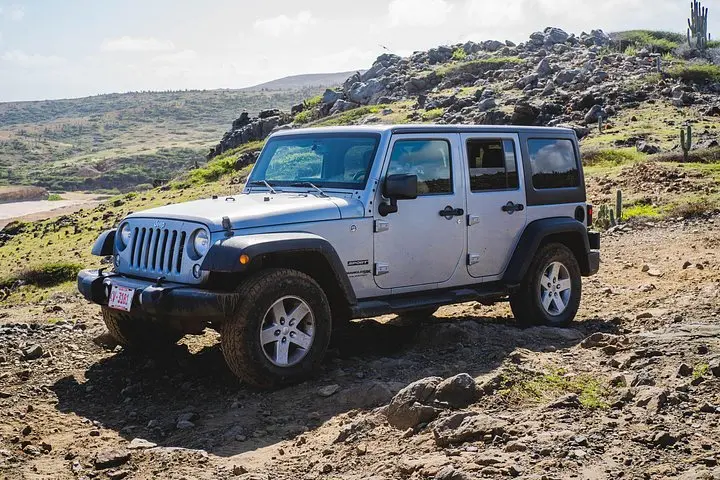
The engine hums, dust lifts, and the north coast of Aruba slides into view — a line of weathered limestone cliffs, salt flats that mirror the sky, and cacti tilting toward steady trade winds. Passengers settle into a day that moves between on-road panoramas and off-road tracks where the island’s raw textures are closest: wind-sculpted rock, scrub dotted with oleander, and mangrove fringes where turquoise water meets tangled roots.
The engine hums, dust lifts, and the north coast of Aruba slides into view — a line of weathered limestone cliffs, salt flats that mirror the sky, and cacti tilting toward steady trade winds. Passengers settle into a day that moves between on-road panoramas and off-road tracks where the island’s raw textures are closest: wind-sculpted rock, scrub dotted with oleander, and mangrove fringes where turquoise water meets tangled roots.
Geology here is blunt and honest: coral limestone and Pleistocene terraces carved by waves and wind, punctuated by volcanic remnants. The island’s human story is compact but layered — Arawak presence, European colonial shifts, and a fishing-and-tourism economy that shaped coastal settlements. Guides often point out local landmarks and speak to the practical uses of plants and ponds once important to ranching and salt production.
Expect a mix of gravel tracks, compact dirt ruts, and short sandy stretches. The tour typically spends about four hours moving along the north and east coasts, stopping at lookout points, mangrove edges, and beaches timed for sunset. Passengers should be prepared for sun, spray, and a bumpy ride — cameras secured, water handy, and footwear that can handle sand and reef rock.
Practical tips: plan for late afternoon light if you want sunset photos, keep a light windbreaker for spray and breeze, and follow the guide’s boundaries in sensitive areas like mangroves and tide pools. The experience is best for travelers seeking active sightseeing with the convenience of guided logistics and the sensory payoff of coastal Aruba close-up.