THE ADVENTURE COLLECTIVE® · Independent discovery and booking for outdoor travel

Follow Route 40 north from San Salvador de Jujuy on a four-day private tour through colored hills, salt flats and historic Andean communities. Expect colonial chapels, petroglyphs and hands-on visits with salt workers.
Follow Route 40 north from San Salvador de Jujuy on a four-day private tour through colored hills, salt flats and historic Andean communities. Expect colonial chapels, petroglyphs and hands-on visits with salt workers.
You climb into a sturdy van at dawn in San Salvador de Jujuy and the road unfurls north: ochre hills whoosh by, cardones (giant cacti) lean toward the wind, and the high Andes press close enough to skim your thoughts. Along Route 40 the landscape changes like film cuts — quebradas of layered color, river ravines gouged by seasonal melt, and salt pans that flatten the light until the sky feels within reach.
Verified experiences and guided adventures in the surrounding area.
Operated by Arami Viajes · San Salvador de Jujuy, Jujuy
You climb into a sturdy van at dawn in San Salvador de Jujuy and the road unfurls north: ochre hills whoosh by, cardones (giant cacti) lean toward the wind, and the high Andes press close enough to skim your thoughts. Along Route 40 the landscape changes like film cuts — quebradas of layered color, river ravines gouged by seasonal melt, and salt pans that flatten the light until the sky feels within reach.
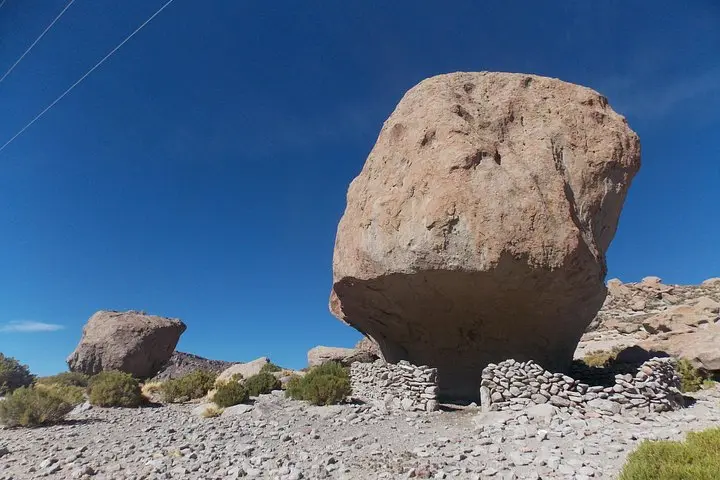
This four-day private tour threads colonial history with Andean lifeways. You’ll pass towns where 17th–18th century chapels mark Spanish missionary routes and encounter pre-Hispanic stone markers and petroglyphs that predate the conquistadors. The geology is volcanic and arid: eroded volcanic domes, salt flats formed by ancient lake beds, and quebradas carved into pumice and ash.
Culturally, expect warm, small-community exchanges—local guides and salineros (salt workers) offer practical demonstrations of extraction and daily life. Nature here is active: winds sculpt dunes and rivers dare you to read their seasonal moods.
Practical guidance: four days requires modest fitness; long drives at high altitude (3,500–4,000+ m) demand slow acclimatization, steady hydration, and sun protection. Evenings drop cold quickly—pack layers and a warm hat.
Timing matters: mornings are crisp for photography, afternoons better for short walks when light softens the ridgelines. Respect private and sacred sites: ask before photographing residents or chapels. With basic preparation, this route delivers geology, living history, and high-altitude plains that feel simultaneously ancient and immediate.
Most stops are between 3,200 and 4,200 meters above sea level; the Salinas Grandes area sits on the high Puna plateau.
Yes — the itinerary includes three nights in local hosterías listed in the tour description.
The tour notes stroller and wheelchair accessibility for certain areas, but some sites have uneven terrain; check with the operator for specific mobility needs.
Guides are typically Spanish-speaking; private tours may provide English-speaking guides on request—confirm at booking.
Arami Viajes operates guided outdoor trips and adventures with an emphasis on safety, stewardship, and memorable experiences.
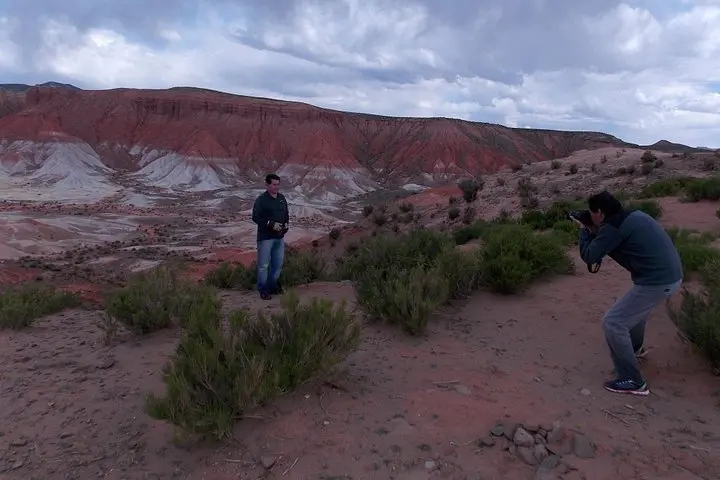
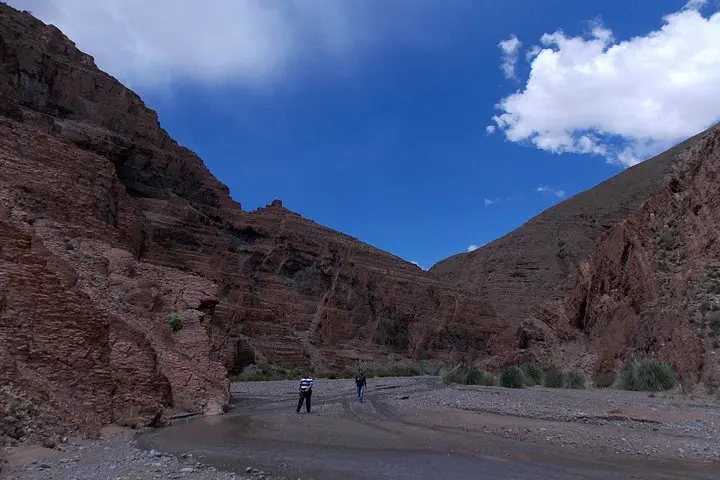
You climb into a sturdy van at dawn in San Salvador de Jujuy and the road unfurls north: ochre hills whoosh by, cardones (giant cacti) lean toward the wind, and the high Andes press close enough to skim your thoughts. Along Route 40 the landscape changes like film cuts — quebradas of layered color, river ravines gouged by seasonal melt, and salt pans that flatten the light until the sky feels within reach.
You climb into a sturdy van at dawn in San Salvador de Jujuy and the road unfurls north: ochre hills whoosh by, cardones (giant cacti) lean toward the wind, and the high Andes press close enough to skim your thoughts. Along Route 40 the landscape changes like film cuts — quebradas of layered color, river ravines gouged by seasonal melt, and salt pans that flatten the light until the sky feels within reach.
This four-day private tour threads colonial history with Andean lifeways. You’ll pass towns where 17th–18th century chapels mark Spanish missionary routes and encounter pre-Hispanic stone markers and petroglyphs that predate the conquistadors. The geology is volcanic and arid: eroded volcanic domes, salt flats formed by ancient lake beds, and quebradas carved into pumice and ash.
Culturally, expect warm, small-community exchanges—local guides and salineros (salt workers) offer practical demonstrations of extraction and daily life. Nature here is active: winds sculpt dunes and rivers dare you to read their seasonal moods.
Practical guidance: four days requires modest fitness; long drives at high altitude (3,500–4,000+ m) demand slow acclimatization, steady hydration, and sun protection. Evenings drop cold quickly—pack layers and a warm hat.
Timing matters: mornings are crisp for photography, afternoons better for short walks when light softens the ridgelines. Respect private and sacred sites: ask before photographing residents or chapels. With basic preparation, this route delivers geology, living history, and high-altitude plains that feel simultaneously ancient and immediate.