THE ADVENTURE COLLECTIVE® · Independent discovery and booking for outdoor travel

From the fjord-like sweep of Kotor Bay to the high ridges of Durmitor, the Tara River’s vertiginous gorge and the cliffside Ostrog Monastery, this private full-day tour compresses Montenegro’s wildest scenery into one intense, unforgettable day. Read on for what to expect, route highlights, and how to prepare.
From the fjord-like sweep of Kotor Bay to the high ridges of Durmitor, the Tara River’s vertiginous gorge and the cliffside Ostrog Monastery, this private full-day tour compresses Montenegro’s wildest scenery into one intense, unforgettable day. Read on for what to expect, route highlights, and how to prepare.
You start the day on the coast, the road curling away from Kotor Bay like a ribbon pulled taut against the Adriatic. Salt and pine linger in the air as the van climbs; villages shrink, cliffs open, and by midmorning the sea has been traded for a colder light that belongs to high country. The Durmitor massif waits beyond a spine of limestone—sharp ridges, glacier-scraped bowls, and a hand of dark water called Black Lake that reflects the mountains with uncompromising clarity.
Verified experiences and guided adventures in the surrounding area.
You start the day on the coast, the road curling away from Kotor Bay like a ribbon pulled taut against the Adriatic. Salt and pine linger in the air as the van climbs; villages shrink, cliffs open, and by midmorning the sea has been traded for a colder light that belongs to high country. The Durmitor massif waits beyond a spine of limestone—sharp ridges, glacier-scraped bowls, and a hand of dark water called Black Lake that reflects the mountains with uncompromising clarity.
This private full-day tour stitches together Montenegro’s most dramatic moods: classical Boka Kotorska fjord views at the start, the alpine hush around Durmitor’s cirque, the thunderous sweep of the Tara River as it cuts Europe’s deepest canyon, and the otherworldly presence of Ostrog Monastery built into a sheer cliff face. Geologically, you’re standing on the edge of the Dinaric Alps—limestone folded and fractured by tectonic collisions, carved by ice and river, producing steep gorges and brittle karst plateaus. Culturally, Ostrog is a pilgrimage point for Orthodox Christians, its white facade wedged into rock since the 17th century; along the route are villages where smoked ham and simple village cooking are still ways of life.
On the ground, expect a mix: short circular walks at Black Lake (a flat boardwalk and pebble shore), a roadside viewpoint over the Tara with the Đurđevića bridge framing the river below, and a stair-climb up to the lower courtyard at Ostrog. The day is long—roughly 13 hours—so pacing matters. Start early to catch the bay in soft light and to avoid afternoon traffic on mountain roads. Weather in the highlands can change quickly; wind and sun will alternate like a conductor changing tempo, so layered clothing is essential.
Practical tips: bring sturdy shoes for uneven paths, at least 2 liters of water, and a small daypack for snacks and camera gear. Local currency is euros; small shops along the way may not accept cards. If you’re prone to motion sickness, carry medication—the hairpins up from Risan into the mountains are scenic but relentless. Respect the monastery’s dress code—shoulders and knees covered—and keep noise low: Ostrog is an active sanctuary.
This route is best for travelers who want concentrated variety in a single day: coastal panoramas, alpine lake calm, canyon drama, and a layer of Balkan spiritual history. It’s a long day of moving through landscapes that demand attention; if you go with curiosity and simple preparation, Montenegro will repay you with intense, memorable contrasts.
Most departures begin in Kotor or nearby Risan with hotel pickup and return to your original pickup point at the end of the day.
Expect short, easy walks: a loop around Black Lake, viewpoints near Tara canyon, and stairs up to the lower level of Ostrog—nothing technical but several short uphill sections.
Meals are typically not included; the tour will stop at local restaurants where you can sample Montenegrin dishes—bring cash for small eateries.
Families and active seniors can usually manage the itinerary, but the long day and mountain roads mean it’s best for those who are comfortable with extended travel time.
Bring ID and dress modestly—cover shoulders and knees. Scarves or light wraps work well for quick compliance.
Yes—this is a full-day private tour covering coastal roads and mountain passes, with scenic stops rather than extended transfers on foot.
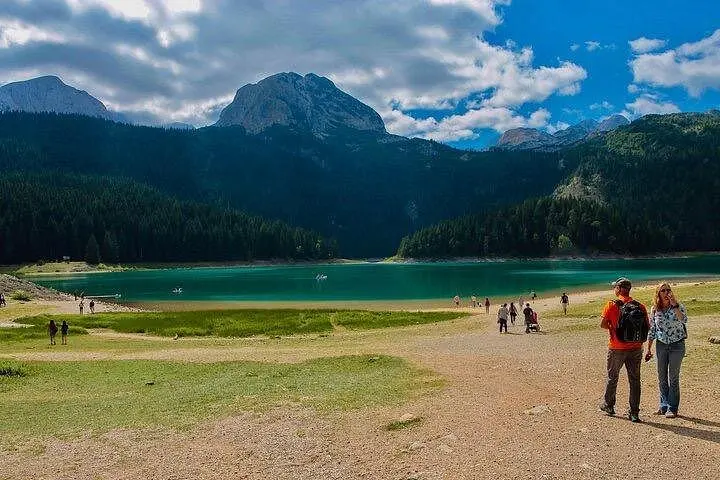
You start the day on the coast, the road curling away from Kotor Bay like a ribbon pulled taut against the Adriatic. Salt and pine linger in the air as the van climbs; villages shrink, cliffs open, and by midmorning the sea has been traded for a colder light that belongs to high country. The Durmitor massif waits beyond a spine of limestone—sharp ridges, glacier-scraped bowls, and a hand of dark water called Black Lake that reflects the mountains with uncompromising clarity.
You start the day on the coast, the road curling away from Kotor Bay like a ribbon pulled taut against the Adriatic. Salt and pine linger in the air as the van climbs; villages shrink, cliffs open, and by midmorning the sea has been traded for a colder light that belongs to high country. The Durmitor massif waits beyond a spine of limestone—sharp ridges, glacier-scraped bowls, and a hand of dark water called Black Lake that reflects the mountains with uncompromising clarity.
This private full-day tour stitches together Montenegro’s most dramatic moods: classical Boka Kotorska fjord views at the start, the alpine hush around Durmitor’s cirque, the thunderous sweep of the Tara River as it cuts Europe’s deepest canyon, and the otherworldly presence of Ostrog Monastery built into a sheer cliff face. Geologically, you’re standing on the edge of the Dinaric Alps—limestone folded and fractured by tectonic collisions, carved by ice and river, producing steep gorges and brittle karst plateaus. Culturally, Ostrog is a pilgrimage point for Orthodox Christians, its white facade wedged into rock since the 17th century; along the route are villages where smoked ham and simple village cooking are still ways of life.
On the ground, expect a mix: short circular walks at Black Lake (a flat boardwalk and pebble shore), a roadside viewpoint over the Tara with the Đurđevića bridge framing the river below, and a stair-climb up to the lower courtyard at Ostrog. The day is long—roughly 13 hours—so pacing matters. Start early to catch the bay in soft light and to avoid afternoon traffic on mountain roads. Weather in the highlands can change quickly; wind and sun will alternate like a conductor changing tempo, so layered clothing is essential.
Practical tips: bring sturdy shoes for uneven paths, at least 2 liters of water, and a small daypack for snacks and camera gear. Local currency is euros; small shops along the way may not accept cards. If you’re prone to motion sickness, carry medication—the hairpins up from Risan into the mountains are scenic but relentless. Respect the monastery’s dress code—shoulders and knees covered—and keep noise low: Ostrog is an active sanctuary.
This route is best for travelers who want concentrated variety in a single day: coastal panoramas, alpine lake calm, canyon drama, and a layer of Balkan spiritual history. It’s a long day of moving through landscapes that demand attention; if you go with curiosity and simple preparation, Montenegro will repay you with intense, memorable contrasts.