THE ADVENTURE COLLECTIVE® · Independent discovery and booking for outdoor travel

Drive a coastline where waves write the headlines and sea turtles nap on sun-warmed sand. This private six‑hour North Shore tour pairs local storytelling with stops at Pipeline, Laniakea, Laʻie Point and secluded bays.
Drive a coastline where waves write the headlines and sea turtles nap on sun-warmed sand. This private six‑hour North Shore tour pairs local storytelling with stops at Pipeline, Laniakea, Laʻie Point and secluded bays.
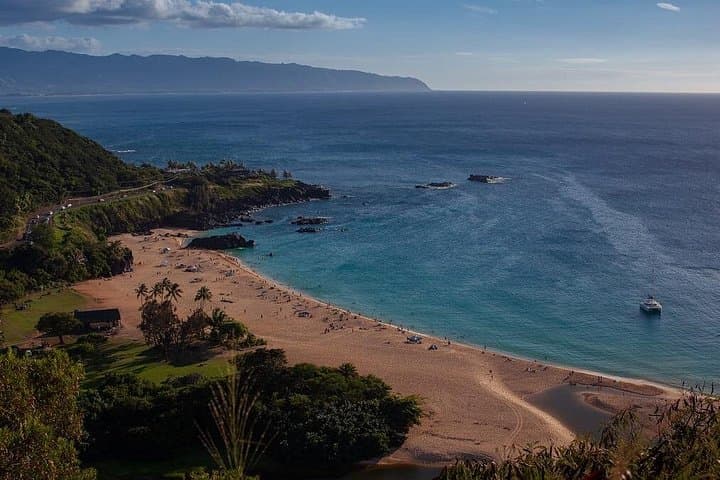
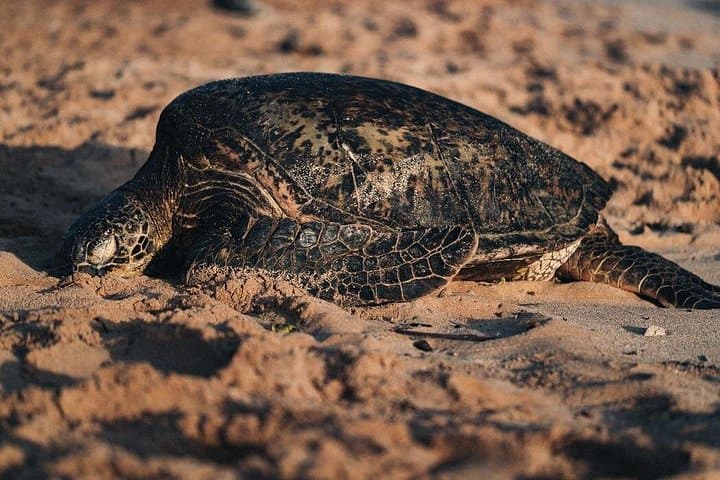
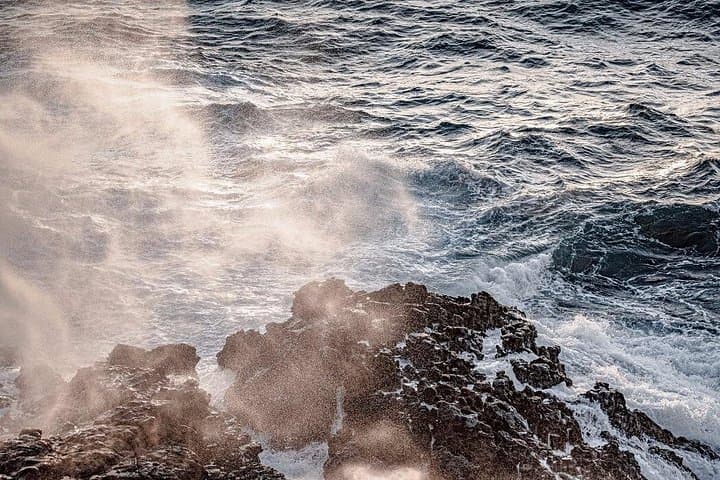
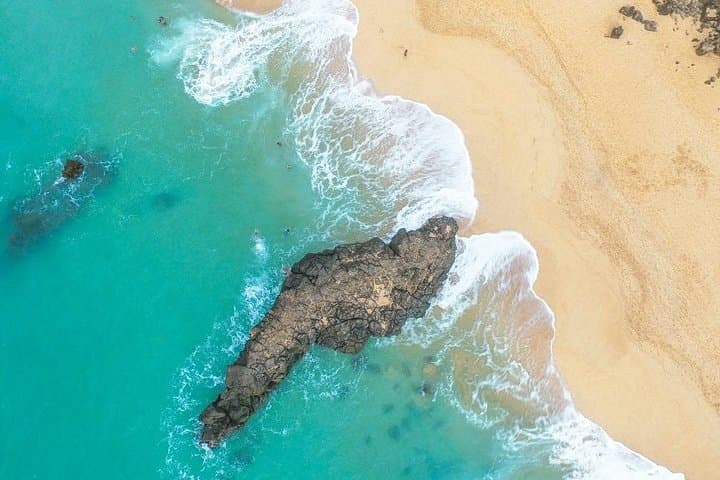
You step into a different Oahu as the highway peels away from the city—palm-fringed surf shops give way to wide sky and the ocean pushing close to the road. A local guide slides into the driver's seat and, over the hum of the engine, points out the day's first prize: a reef-smoothed bay where honu (green sea turtles) haul onto the sand and the sea breathes slow and steady. This private six‑hour circuit is a moving portrait of the North Shore and windward coast—sharp basalt cliffs, coconut groves, and the open face of surf that tests the world's best.
Verified experiences and guided adventures in the surrounding area.
Operated by Tour Travel & More · Haleiwa, Hawaii
You step into a different Oahu as the highway peels away from the city—palm-fringed surf shops give way to wide sky and the ocean pushing close to the road. A local guide slides into the driver's seat and, over the hum of the engine, points out the day's first prize: a reef-smoothed bay where honu (green sea turtles) haul onto the sand and the sea breathes slow and steady. This private six‑hour circuit is a moving portrait of the North Shore and windward coast—sharp basalt cliffs, coconut groves, and the open face of surf that tests the world's best.
The route is part cultural primer, part geology lesson. Laʻie Point’s jagged headland is carved from ancient lava flows and uplifted terraces; the Ko'olau Range, visible on the windward side, is a collapsed volcano rim that frames the bays below. The North Shore's identity is stitched to surfing lore: Sunset Beach, Banzai Pipeline and Waimea Bay are not just waves but places where seasonal storms rewrite the coastline and where generations of locals developed the craft of big-wave riding. Along quieter stretches like Kahana Bay and the beaches near Turtle Bay Resort, the rhythm slows and the islands' agricultural past—taro loʻi and pastureland—peeks through.
A good guide anchors the day with context: the history of Hawaiian navigation, the immigrant communities who shaped plantation-era towns, and the conservation rules that protect the shoreline. You learn why turtles are protected and why crowds gather at certain beaches in winter. The tour is conversational but efficient—each stop is 20–30 minutes of shoreline time, enough to linger for photos, a short walk, or to watch surfers line up for the next set.
For travelers, the practical part is simple: the tour is a drive-first experience with brief strolls on sand and paved overlooks. Expect sun, trade winds, and ever-changing surf—winters bring the biggest waves and spectacle; summers offer calmer water and clearer snorkeling conditions. Respect wildlife distances at Laniakea (stay at least 10 feet from turtles), and follow your guide’s local knowledge about tides and safe viewing spots.
Packing light pays: reef-safe sunscreen, a wide-brim hat, sturdy sandals or low‑profile trail shoes for uneven shorelines, and a reusable water bottle. Bring a waterproof phone case or small camera; coastal light changes fast and the best frames are often from the roadside pullouts. If you want to swim, pack a swimsuit and quick-dry towel, but beware that surf conditions vary dramatically by season.
By the time you circle back toward Waikiki or your hotel, the North Shore has likely rearranged your expectations—quiet bays with watchful turtles, a lineup of fearless surfers, and the insistence of the ocean itself reminding you why people keep coming back.
The private tour runs about six hours with several 20–30 minute stops at key sites such as Laniakea (Turtle Beach), Sunset Beach, Pipeline, Laʻie Point and scenic pullouts.
Turtles are commonly seen at Laniakea and nearby beaches, but wildlife sightings cannot be guaranteed—season, tide and time of day affect visibility.
Yes—infant seats are available on request and the tour is suitable for all fitness levels; notify the operator when booking if you need a child seat.
Swim opportunities depend on conditions; your guide will recommend safe beaches. Bring swimwear and a towel if you plan to enter the water.
Winter (November–February) brings the big-wave surf spectacle, while summer offers calmer seas for swimming and snorkeling—both have different appeals.
Yes—there are restroom facilities at major beaches and chances to stop at local food trucks or cafes; bring small cash for vendors.
Tour Travel & More operates guided outdoor trips and adventures with an emphasis on safety, stewardship, and memorable experiences.
You step into a different Oahu as the highway peels away from the city—palm-fringed surf shops give way to wide sky and the ocean pushing close to the road. A local guide slides into the driver's seat and, over the hum of the engine, points out the day's first prize: a reef-smoothed bay where honu (green sea turtles) haul onto the sand and the sea breathes slow and steady. This private six‑hour circuit is a moving portrait of the North Shore and windward coast—sharp basalt cliffs, coconut groves, and the open face of surf that tests the world's best.
You step into a different Oahu as the highway peels away from the city—palm-fringed surf shops give way to wide sky and the ocean pushing close to the road. A local guide slides into the driver's seat and, over the hum of the engine, points out the day's first prize: a reef-smoothed bay where honu (green sea turtles) haul onto the sand and the sea breathes slow and steady. This private six‑hour circuit is a moving portrait of the North Shore and windward coast—sharp basalt cliffs, coconut groves, and the open face of surf that tests the world's best.
The route is part cultural primer, part geology lesson. Laʻie Point’s jagged headland is carved from ancient lava flows and uplifted terraces; the Ko'olau Range, visible on the windward side, is a collapsed volcano rim that frames the bays below. The North Shore's identity is stitched to surfing lore: Sunset Beach, Banzai Pipeline and Waimea Bay are not just waves but places where seasonal storms rewrite the coastline and where generations of locals developed the craft of big-wave riding. Along quieter stretches like Kahana Bay and the beaches near Turtle Bay Resort, the rhythm slows and the islands' agricultural past—taro loʻi and pastureland—peeks through.
A good guide anchors the day with context: the history of Hawaiian navigation, the immigrant communities who shaped plantation-era towns, and the conservation rules that protect the shoreline. You learn why turtles are protected and why crowds gather at certain beaches in winter. The tour is conversational but efficient—each stop is 20–30 minutes of shoreline time, enough to linger for photos, a short walk, or to watch surfers line up for the next set.
For travelers, the practical part is simple: the tour is a drive-first experience with brief strolls on sand and paved overlooks. Expect sun, trade winds, and ever-changing surf—winters bring the biggest waves and spectacle; summers offer calmer water and clearer snorkeling conditions. Respect wildlife distances at Laniakea (stay at least 10 feet from turtles), and follow your guide’s local knowledge about tides and safe viewing spots.
Packing light pays: reef-safe sunscreen, a wide-brim hat, sturdy sandals or low‑profile trail shoes for uneven shorelines, and a reusable water bottle. Bring a waterproof phone case or small camera; coastal light changes fast and the best frames are often from the roadside pullouts. If you want to swim, pack a swimsuit and quick-dry towel, but beware that surf conditions vary dramatically by season.
By the time you circle back toward Waikiki or your hotel, the North Shore has likely rearranged your expectations—quiet bays with watchful turtles, a lineup of fearless surfers, and the insistence of the ocean itself reminding you why people keep coming back.