THE ADVENTURE COLLECTIVE® · Independent discovery and booking for outdoor travel

Head out from Haleiwa Harbor for a two-hour, Native-owned whale-watching cruise along Oahu’s North Shore. Learn Hawaiian surf history while watching humpbacks, dolphins, and turtles from a stable viewing boat.
Head out from Haleiwa Harbor for a two-hour, Native-owned whale-watching cruise along Oahu’s North Shore. Learn Hawaiian surf history while watching humpbacks, dolphins, and turtles from a stable viewing boat.
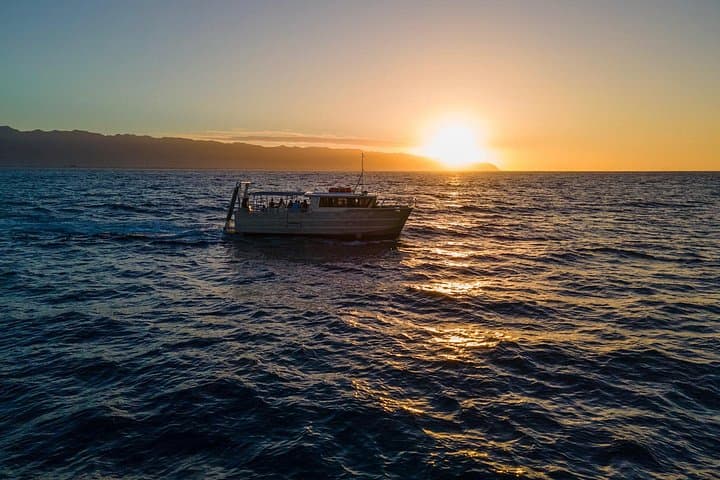
The bow cuts into the Pacific and the spray smells like salt and sea grass. You leave Haleiwa Harbor behind, passing the world-famous surf breaks—Banzai Pipeline and Sunset Beach—while the crew scans the horizon for the telltale spout. The ocean here feels deliberate: it rolls, waits, and then rises.
Verified experiences and guided adventures in the surrounding area.
Operated by Haleiwa Shark Tours · Haleiwa, Hawaii
The bow cuts into the Pacific and the spray smells like salt and sea grass. You leave Haleiwa Harbor behind, passing the world-famous surf breaks—Banzai Pipeline and Sunset Beach—while the crew scans the horizon for the telltale spout. The ocean here feels deliberate: it rolls, waits, and then rises.
This stretch of the North Shore is rich in cultural watercraft history. Native Hawaiian watermen helped shape modern big-wave surfing and continue to run local harbors; on these tours your guides often share Hawaiian language, surf lore, and practical sea-knowledge passed down through generations. Geologically, the coastline is the eroded flank of Oʻahu’s Waianae and Koolau shields—rocky headlands and sand-laden bays create feeding corridors whales use during winter migrations.
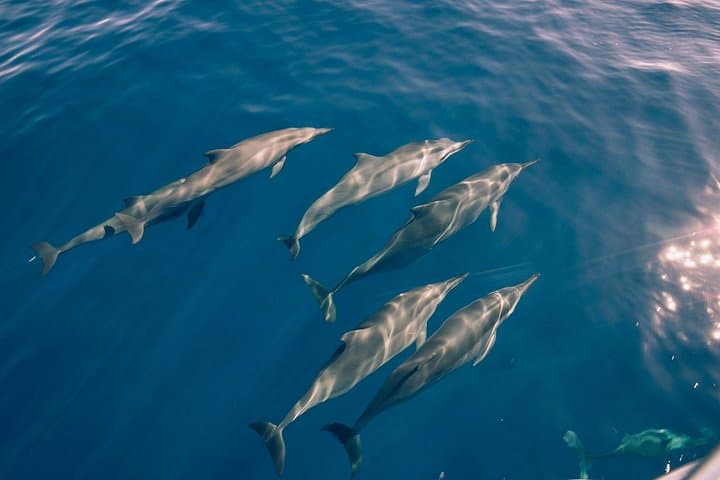
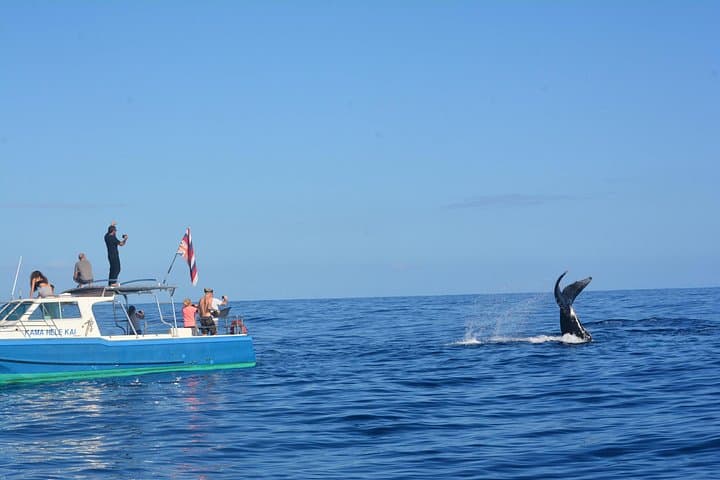
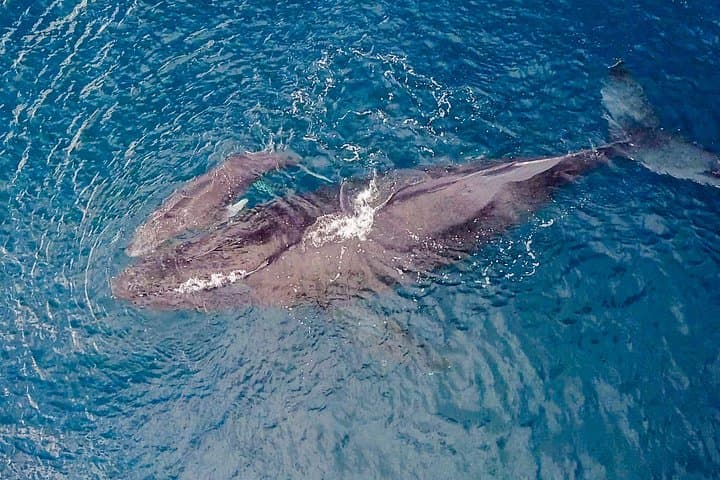
Expect to spend about two hours on a stable charter built for viewing rather than speed: binoculars, patient scanning, and quiet are rewarded. Humpback whales dominate in winter months, breaching and tail-slapping while spinner dolphins and green sea turtles appear year-round in calmer waters. The crew enforces safe approach distances per NOAA guidelines, so sightings often come with time to watch behavior without disturbance.
Practical notes: arrive early for a brief safety talk, wear layered sun protection, bring a windproof layer for open-deck coolness, and take motion-sickness meds if you’re prone to seasickness. Tours run best from December through April for whales; book in advance on weekends and holidays. Support local operators by asking about their conservation practices and the cultural history of Hawaiian watermanship before you step back to the shore.
Peak whale season on Oahu runs roughly December through April, when migrating humpbacks use Hawaiian waters for breeding and calving.
Many boats and operators around Haleiwa provide accessible boarding or offer shoreline viewing options—check with the operator in advance for specific accommodations.
Crew follow NOAA guidelines and local regulations, keeping a respectful distance; often whales approach voluntarily within viewing range, but the vessel will not chase or harass animals.
Yes—infants and children are allowed but infants must sit on an adult’s lap; operators typically recommend life jackets and supervision for young passengers.
Haleiwa Shark Tours operates guided outdoor trips and adventures with an emphasis on safety, stewardship, and memorable experiences.
The bow cuts into the Pacific and the spray smells like salt and sea grass. You leave Haleiwa Harbor behind, passing the world-famous surf breaks—Banzai Pipeline and Sunset Beach—while the crew scans the horizon for the telltale spout. The ocean here feels deliberate: it rolls, waits, and then rises.
The bow cuts into the Pacific and the spray smells like salt and sea grass. You leave Haleiwa Harbor behind, passing the world-famous surf breaks—Banzai Pipeline and Sunset Beach—while the crew scans the horizon for the telltale spout. The ocean here feels deliberate: it rolls, waits, and then rises.
This stretch of the North Shore is rich in cultural watercraft history. Native Hawaiian watermen helped shape modern big-wave surfing and continue to run local harbors; on these tours your guides often share Hawaiian language, surf lore, and practical sea-knowledge passed down through generations. Geologically, the coastline is the eroded flank of Oʻahu’s Waianae and Koolau shields—rocky headlands and sand-laden bays create feeding corridors whales use during winter migrations.
Expect to spend about two hours on a stable charter built for viewing rather than speed: binoculars, patient scanning, and quiet are rewarded. Humpback whales dominate in winter months, breaching and tail-slapping while spinner dolphins and green sea turtles appear year-round in calmer waters. The crew enforces safe approach distances per NOAA guidelines, so sightings often come with time to watch behavior without disturbance.
Practical notes: arrive early for a brief safety talk, wear layered sun protection, bring a windproof layer for open-deck coolness, and take motion-sickness meds if you’re prone to seasickness. Tours run best from December through April for whales; book in advance on weekends and holidays. Support local operators by asking about their conservation practices and the cultural history of Hawaiian watermanship before you step back to the shore.