THE ADVENTURE COLLECTIVE® · Independent discovery and booking for outdoor travel

Spend an active day on Oahu’s North Shore: a Jeep circle-island drive, a beginner surf lesson, paddleboarding or glass-bottom kayak trips to find green sea turtles, and a shrimp truck lunch in Haleiwa. This full-day tour mixes culture, geology, and wildlife with practical local knowledge.
Spend an active day on Oahu’s North Shore: a Jeep circle-island drive, a beginner surf lesson, paddleboarding or glass-bottom kayak trips to find green sea turtles, and a shrimp truck lunch in Haleiwa. This full-day tour mixes culture, geology, and wildlife with practical local knowledge.
You meet your guide before sunrise, keys jingling, the Jeep Gladiator idling with a promise of road and salt. The drive north from Honolulu opens like a changing map: sugarcane fields give way to lava-forged promontories, then the wide green mouth of Haleiwa. The day moves in deliberate shifts—two hours standing on a surfboard learning the mechanics of a pop-up, an easy paddle up a slow-moving river searching for Hawaiian green sea turtles, a shrimp truck lunch that tastes of garlic and ocean, and a shoreline swim under cliffs that have been eroded into theatrical shapes.
Verified experiences and guided adventures in the surrounding area.
Operated by Sea and Board Sports Hawaii · Haleiwa, Hawaii
You meet your guide before sunrise, keys jingling, the Jeep Gladiator idling with a promise of road and salt. The drive north from Honolulu opens like a changing map: sugarcane fields give way to lava-forged promontories, then the wide green mouth of Haleiwa. The day moves in deliberate shifts—two hours standing on a surfboard learning the mechanics of a pop-up, an easy paddle up a slow-moving river searching for Hawaiian green sea turtles, a shrimp truck lunch that tastes of garlic and ocean, and a shoreline swim under cliffs that have been eroded into theatrical shapes.
Oahu’s North Shore carries deep historical layers. Ancient loi (fishponds) and stone terraces are reminders that this coast was managed for generations before tourism; later, surf culture redirected global attention here in the mid-20th century when big-wave riders turned winter storms into arenas. Geologically, the island is a profile of volcanic time—coastal blowholes and basalt cliffs come from long-cooled lava flows, and the sea-carved reef systems that shelter turtles are built on that same volcanic base.
The tour stitches together cultural and natural highlights. Guides point out Hawaiian place names and old temple sites from the car; they explain the seasonal rhythm of the surf—the same peaks that produce championship waves in winter are gentle and learner-friendly in summer. Lunch in Haleiwa isn’t incidental: shrimp trucks and local plate lunches are a window into the island’s multiethnic food history, from Polynesian staples to Filipino and Japanese influences.
Practically, expect an active day of eight to ten hours with a mix of short hikes, beach time, and paddling. Surf lessons are instructor-led and beginner-focused—two hours on the sand and in the water. Paddle sections are typically 1–3 miles round-trip on calm river water or along protected reef channels; guides steer you to turtle feeding zones but maintain respectful distance. Snorkel sessions depend on current and visibility; spring through early fall often has the clearest water.
Pack reef-safe sunscreen, a sturdy water bottle, quick-dry layers, and secure water shoes. Follow local rules: do not touch or chase turtles, keep at least 10–15 feet distance, and leave no trace on beaches. The Jeep tour offers a compact way to experience Oahu’s coastlines—plan for traffic when returning to Honolulu and ask about pickup times. If you want the iconic North Shore experience—first wave, close turtle encounters, and a plate of shrimp eaten with sand-between-your-toes sincerity—this is a full-day that delivers both education and adrenaline.
No—lessons are designed for beginners with certified instructors; expect two hours of instruction including sand drills and guided water time.
Guides target known turtle feeding areas and the tour is advertised as guaranteed to see turtles, but sightings depend on weather and animal movement—guides will prioritize responsible viewing.
Yes—snorkel gear, paddleboards, kayaks, and surfboards are included in the tour price.
Wear swimwear under quick-dry clothes, bring reef-safe sunscreen, a towel, water bottle, and a small dry bag for personal items.
The tour notes infants may ride but must sit on laps; participants should be able to swim and manage moderate physical activity—disclose any health issues when booking.
Full refunds are available if you cancel at least 24 hours before the scheduled departure; tours may be canceled for bad weather.
Sea and Board Sports Hawaii operates guided outdoor trips and adventures with an emphasis on safety, stewardship, and memorable experiences.

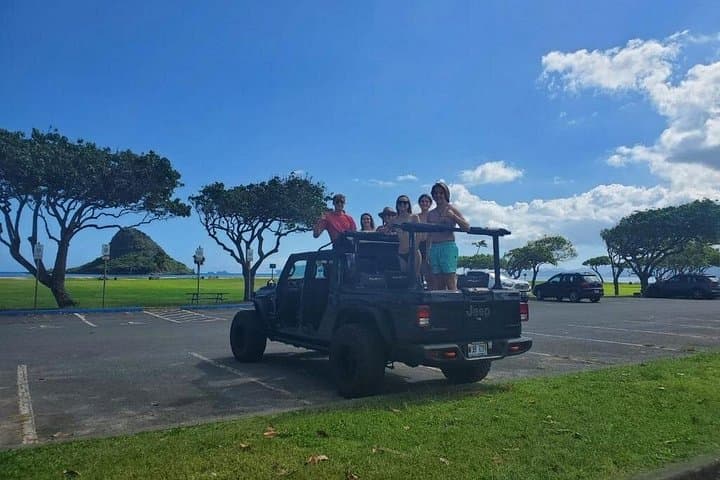

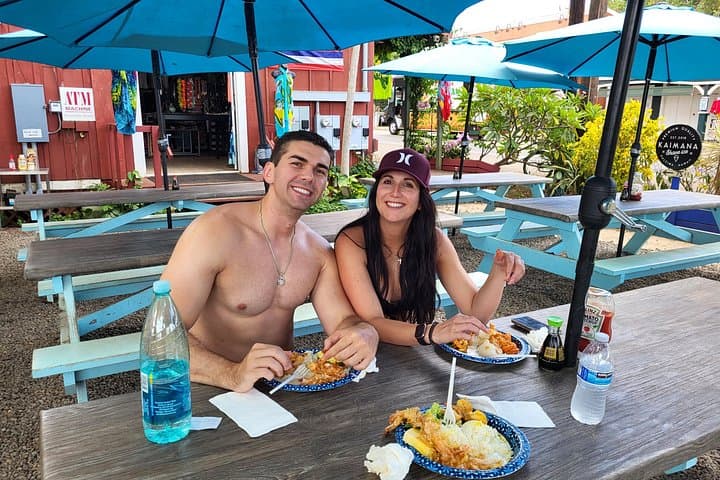
You meet your guide before sunrise, keys jingling, the Jeep Gladiator idling with a promise of road and salt. The drive north from Honolulu opens like a changing map: sugarcane fields give way to lava-forged promontories, then the wide green mouth of Haleiwa. The day moves in deliberate shifts—two hours standing on a surfboard learning the mechanics of a pop-up, an easy paddle up a slow-moving river searching for Hawaiian green sea turtles, a shrimp truck lunch that tastes of garlic and ocean, and a shoreline swim under cliffs that have been eroded into theatrical shapes.
You meet your guide before sunrise, keys jingling, the Jeep Gladiator idling with a promise of road and salt. The drive north from Honolulu opens like a changing map: sugarcane fields give way to lava-forged promontories, then the wide green mouth of Haleiwa. The day moves in deliberate shifts—two hours standing on a surfboard learning the mechanics of a pop-up, an easy paddle up a slow-moving river searching for Hawaiian green sea turtles, a shrimp truck lunch that tastes of garlic and ocean, and a shoreline swim under cliffs that have been eroded into theatrical shapes.
Oahu’s North Shore carries deep historical layers. Ancient loi (fishponds) and stone terraces are reminders that this coast was managed for generations before tourism; later, surf culture redirected global attention here in the mid-20th century when big-wave riders turned winter storms into arenas. Geologically, the island is a profile of volcanic time—coastal blowholes and basalt cliffs come from long-cooled lava flows, and the sea-carved reef systems that shelter turtles are built on that same volcanic base.
The tour stitches together cultural and natural highlights. Guides point out Hawaiian place names and old temple sites from the car; they explain the seasonal rhythm of the surf—the same peaks that produce championship waves in winter are gentle and learner-friendly in summer. Lunch in Haleiwa isn’t incidental: shrimp trucks and local plate lunches are a window into the island’s multiethnic food history, from Polynesian staples to Filipino and Japanese influences.
Practically, expect an active day of eight to ten hours with a mix of short hikes, beach time, and paddling. Surf lessons are instructor-led and beginner-focused—two hours on the sand and in the water. Paddle sections are typically 1–3 miles round-trip on calm river water or along protected reef channels; guides steer you to turtle feeding zones but maintain respectful distance. Snorkel sessions depend on current and visibility; spring through early fall often has the clearest water.
Pack reef-safe sunscreen, a sturdy water bottle, quick-dry layers, and secure water shoes. Follow local rules: do not touch or chase turtles, keep at least 10–15 feet distance, and leave no trace on beaches. The Jeep tour offers a compact way to experience Oahu’s coastlines—plan for traffic when returning to Honolulu and ask about pickup times. If you want the iconic North Shore experience—first wave, close turtle encounters, and a plate of shrimp eaten with sand-between-your-toes sincerity—this is a full-day that delivers both education and adrenaline.