THE ADVENTURE COLLECTIVE® · Independent discovery and booking for outdoor travel

Float above fairy chimneys at sunrise, wander frescoed cave churches and descend into a cool underground city on this private full-day northern Cappadocia tour. It mixes geology, Byzantine history and living craft—plus practical tips to make the most of a long but rewarding day.
Float above fairy chimneys at sunrise, wander frescoed cave churches and descend into a cool underground city on this private full-day northern Cappadocia tour. It mixes geology, Byzantine history and living craft—plus practical tips to make the most of a long but rewarding day.
The sky softens to a bruise of indigo when the first trucks roll out across the volcanic plains of Cappadocia. Lanterns glint off the metal mouths of fuel tanks and, one by one, balloons catch the breeze like giant, patient jellyfish rising from the amphitheater of fairy chimneys. On a private northern Cappadocia tour that includes a hot-air balloon ride and visits to Göreme Open-Air Museum, Devrent Valley, Avanos and an underground city, travelers move between these otherworldly panoramas and centuries-old human handiwork—cave churches with painted frescos, masonry villages, and subterranean passages that once sheltered entire communities.
Verified experiences and guided adventures in the surrounding area.
Operated by Travel Experts · Göreme, Nevşehir
The sky softens to a bruise of indigo when the first trucks roll out across the volcanic plains of Cappadocia. Lanterns glint off the metal mouths of fuel tanks and, one by one, balloons catch the breeze like giant, patient jellyfish rising from the amphitheater of fairy chimneys. On a private northern Cappadocia tour that includes a hot-air balloon ride and visits to Göreme Open-Air Museum, Devrent Valley, Avanos and an underground city, travelers move between these otherworldly panoramas and centuries-old human handiwork—cave churches with painted frescos, masonry villages, and subterranean passages that once sheltered entire communities.
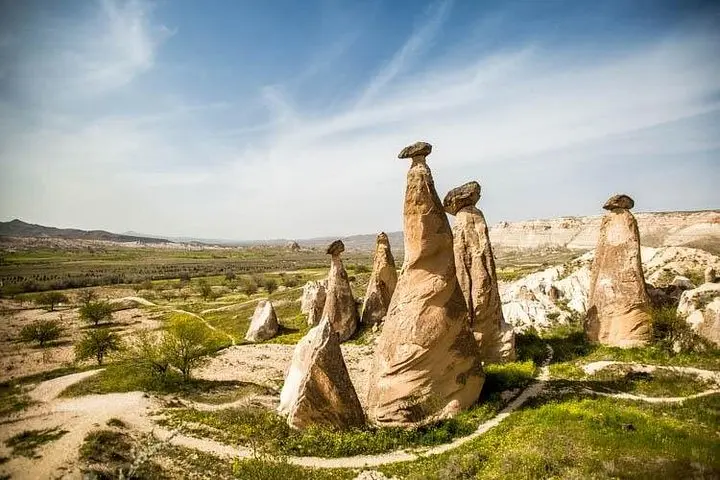
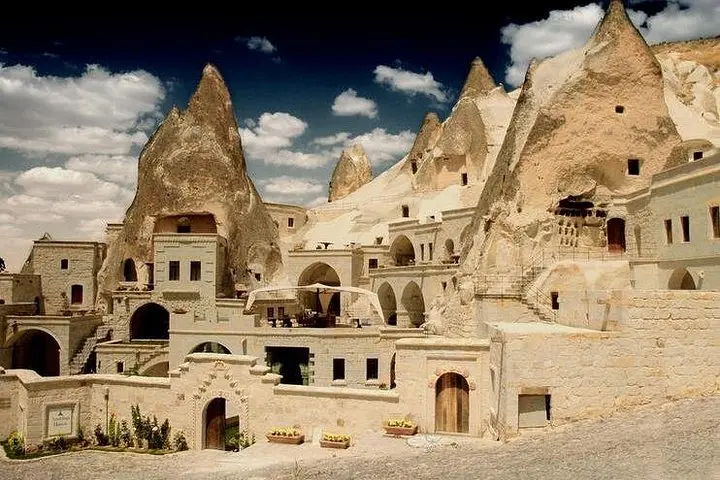
Geology did the heavy lifting here. Millions of years of volcanic ash compacted to a soft rock called tuff, and then wind and water carved it into pinnacles and cones. Human builders answered nature’s forms: monks hollowed sanctuaries and frescoed their walls during Byzantium’s post-Iconoclastic flowering; later, villagers cut living spaces and storerooms into the same stone. The Kızılırmak (Red River) threads the region and feeds Avanos’ pottery workshops—clay and craft echoes going back to Hittite times.
Culture in Cappadocia is deliberate and tactile: you can feel it in a potter’s hands shaping a testi kebab vessel, hear it in the low clack of loom shuttles, and see it in the layered architecture of cave dwellings. Ozkonak and other underground cities offer a glimpse of the region’s defensive ingenuity—ventilation shafts, rolling stone doors and narrow stairways that demand patience and a steady foot.
Practicalities: this is a long, variable day—expect 7–16 hours depending on whether the tour includes domestic flights from Istanbul. Altitude sits around 1,000–1,300 m, so mornings are cool even in summer; the walking component totals a few kilometers across uneven, rocky ground with steps and some narrow passages in underground sites. Good footwear (sturdy hiking shoes), layered clothing, sun protection, and a reusable water bottle are essential. Balloon flights launch at dawn—arrive ready to leave your hotel before sunrise, and bring your camera on a strap; the best light is in the first two hours of morning.
Health notes: the underground city can be tight and mildly claustrophobic; visitors with severe back, heart, or pregnancy restrictions should skip the subterranean sections. Carry your passport if the tour includes domestic flights—the operator may request details for ticketing. Finally, tread lightly: tuff is fragile and the region depends on tourism; stick to paths, avoid touching frescoes, and support local artisans by visiting licensed cooperatives.
When the day ends, a transfer returns you to your hotel—or to the airport for a flight back to Istanbul—your ears full of wind and your camera full of light, proof that a place can be both rawly geological and gently human-made.
No, entrance fees to the Göreme Open-Air Museum and the underground city are included in this package.
Balloon flights launch at sunrise; exact pickup time varies seasonally—your operator will confirm the night before.
The underground city includes tight, low-ceilinged spaces and stairs; it’s not recommended for people with claustrophobia, significant mobility limits, or certain health conditions.
Lunch at a cave restaurant in Avanos is included; vegetarian options and dietary requests can be accommodated if advised at booking.
Yes—if your booking includes domestic flights from Istanbul you’ll need passport details for ticketing and to check in for flights.
Wear layers, sturdy shoes, sun protection, and a light windproof jacket for early-morning balloon flights.
Travel Experts operates guided outdoor trips and adventures with an emphasis on safety, stewardship, and memorable experiences.
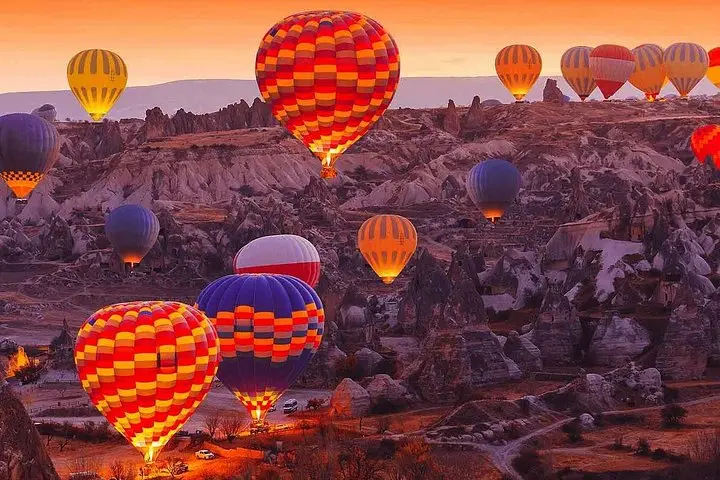
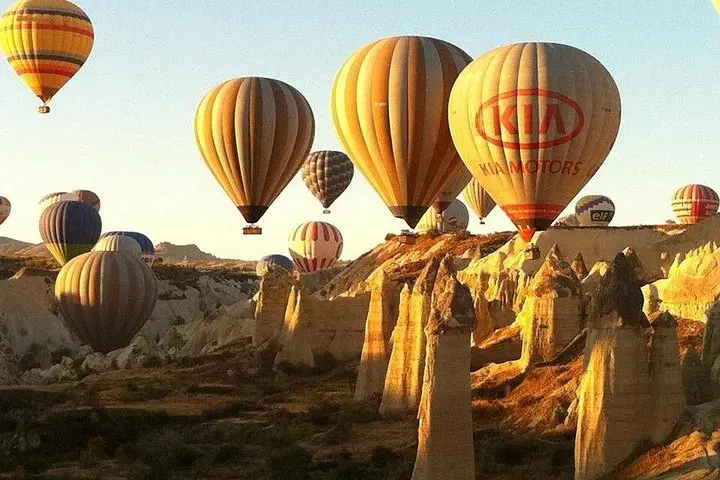
The sky softens to a bruise of indigo when the first trucks roll out across the volcanic plains of Cappadocia. Lanterns glint off the metal mouths of fuel tanks and, one by one, balloons catch the breeze like giant, patient jellyfish rising from the amphitheater of fairy chimneys. On a private northern Cappadocia tour that includes a hot-air balloon ride and visits to Göreme Open-Air Museum, Devrent Valley, Avanos and an underground city, travelers move between these otherworldly panoramas and centuries-old human handiwork—cave churches with painted frescos, masonry villages, and subterranean passages that once sheltered entire communities.
The sky softens to a bruise of indigo when the first trucks roll out across the volcanic plains of Cappadocia. Lanterns glint off the metal mouths of fuel tanks and, one by one, balloons catch the breeze like giant, patient jellyfish rising from the amphitheater of fairy chimneys. On a private northern Cappadocia tour that includes a hot-air balloon ride and visits to Göreme Open-Air Museum, Devrent Valley, Avanos and an underground city, travelers move between these otherworldly panoramas and centuries-old human handiwork—cave churches with painted frescos, masonry villages, and subterranean passages that once sheltered entire communities.
Geology did the heavy lifting here. Millions of years of volcanic ash compacted to a soft rock called tuff, and then wind and water carved it into pinnacles and cones. Human builders answered nature’s forms: monks hollowed sanctuaries and frescoed their walls during Byzantium’s post-Iconoclastic flowering; later, villagers cut living spaces and storerooms into the same stone. The Kızılırmak (Red River) threads the region and feeds Avanos’ pottery workshops—clay and craft echoes going back to Hittite times.
Culture in Cappadocia is deliberate and tactile: you can feel it in a potter’s hands shaping a testi kebab vessel, hear it in the low clack of loom shuttles, and see it in the layered architecture of cave dwellings. Ozkonak and other underground cities offer a glimpse of the region’s defensive ingenuity—ventilation shafts, rolling stone doors and narrow stairways that demand patience and a steady foot.
Practicalities: this is a long, variable day—expect 7–16 hours depending on whether the tour includes domestic flights from Istanbul. Altitude sits around 1,000–1,300 m, so mornings are cool even in summer; the walking component totals a few kilometers across uneven, rocky ground with steps and some narrow passages in underground sites. Good footwear (sturdy hiking shoes), layered clothing, sun protection, and a reusable water bottle are essential. Balloon flights launch at dawn—arrive ready to leave your hotel before sunrise, and bring your camera on a strap; the best light is in the first two hours of morning.
Health notes: the underground city can be tight and mildly claustrophobic; visitors with severe back, heart, or pregnancy restrictions should skip the subterranean sections. Carry your passport if the tour includes domestic flights—the operator may request details for ticketing. Finally, tread lightly: tuff is fragile and the region depends on tourism; stick to paths, avoid touching frescoes, and support local artisans by visiting licensed cooperatives.
When the day ends, a transfer returns you to your hotel—or to the airport for a flight back to Istanbul—your ears full of wind and your camera full of light, proof that a place can be both rawly geological and gently human-made.