THE ADVENTURE COLLECTIVE® · Independent discovery and booking for outdoor travel

The Northern Circuit is Kilimanjaro’s longest, most deliberate route—designed to maximize acclimatization and minimize crowds. Over ten days it circles Kibo’s north slopes, moving from lush rainforest to glacial rim and offering a realistic path to Uhuru Peak for fit, prepared trekkers.
The Northern Circuit is Kilimanjaro’s longest, most deliberate route—designed to maximize acclimatization and minimize crowds. Over ten days it circles Kibo’s north slopes, moving from lush rainforest to glacial rim and offering a realistic path to Uhuru Peak for fit, prepared trekkers.
A bus leaves Moshi before dawn and the plain unfurls beneath the windshield—banana plantations, dusty villages, a distant wall of cloud where Kilimanjaro holds its crown. On the second day the trail slips through a damp rainforest that smells of earth and endemic blooms, the path hemmed by ferns that flick water like a curtain. Higher up the trees give way to moorland and the plateau opens, wide and wind-cut, until the mountain’s glacial rim thrusts into view: an austere, silver lip daring you upward.
Verified experiences and guided adventures in the surrounding area.
Operated by WUNDERBAR AFRICA SAFARIS · Moshi, Kilimanjaro Region
A bus leaves Moshi before dawn and the plain unfurls beneath the windshield—banana plantations, dusty villages, a distant wall of cloud where Kilimanjaro holds its crown. On the second day the trail slips through a damp rainforest that smells of earth and endemic blooms, the path hemmed by ferns that flick water like a curtain. Higher up the trees give way to moorland and the plateau opens, wide and wind-cut, until the mountain’s glacial rim thrusts into view: an austere, silver lip daring you upward.
The Northern Circuit is the longest route on Kilimanjaro and the quietest. Unlike the crowded Marangu or Machame approaches, it loops around Kibo’s north side, adding distance for slower, steadier altitude gain—one of the route’s chief safety advantages. Geologically Kilimanjaro is a stratovolcano capped by Kibo’s summit crater; glaciers clip its summit slopes, remnants of a colder epoch and a visual reminder of rapid climate changes across East Africa.
Cultural textures thread the trek. Moshi and nearby villages are Chagga territory—agricultural terraces, coffee farms and small markets where guides source fresh supplies. Guides and porters are the day-to-day backbone of any summit attempt; their knowledge of the mountain, weather windows and pacing is the difference between a safe return and strain.
Expect changing terrain and steady elevation: you’ll start at about 2,100 m at Londorossi Gate, reach Shira Plateau around 3,600 m, push over the high alpine and saddle to School Hut at 4,800 m, then attempt the nocturnal summit from 4,800 m to 5,895 m at Uhuru Peak. Summit day is the longest: plan for 12–16 hours round-trip, mostly slow steps on scree and icy crust near the crater rim.
Practicalities are direct: this itinerary takes ten days with porter and support services included, sleeping in expedition tents on the trail and a hotel night in Moshi at the start and finish. Permit fees and park registration are required, and a green or gold certificate is issued at Mweka Gate.
To prepare: train on long uphill days, practice hiking with a loaded pack, and get comfortable eating and hydrating while moving. Layering and a good down jacket matter more than fashion; temperatures swing from humid rainforest warmth to subzero summit winds that will push you back if you’re underdressed.
Logistics: fly into Kilimanjaro International Airport (JRO), overnight in Moshi, meet guides at the arranged pickup, and expect daily hiking segments of 3–7 hours except for summit day. Respect the mountain by following Leave No Trace, using porter services responsibly, and pacing for acclimatization—the mountain rewards patience more than haste.
The drier windows of January–March and June–October offer the most stable weather; rainfall and cloud cover are more common in the long rains (April–May).
No technical climbing is required for the standard Northern Circuit, but comfort on steep scree and basic crampon familiarity help in icy conditions near the summit.
Success depends on acclimatization and pacing; common reasons to descend include acute mountain sickness, severe weather, or exhaustion—proper acclimatization on the ten-day route improves odds.
Yes—this itinerary includes porter service to carry camping gear and communal supplies; personal daypacks still carry clothing, water and snacks.
You’ll need a Kilimanjaro National Park permit and passport details for registration—operators typically handle permits but collect passport info in advance.
Beginners in good physical shape who follow a structured training plan and accept a conservative pace can attempt it, but a ten-day schedule is recommended for safer acclimatization.
WUNDERBAR AFRICA SAFARIS operates guided outdoor trips and adventures with an emphasis on safety, stewardship, and memorable experiences.
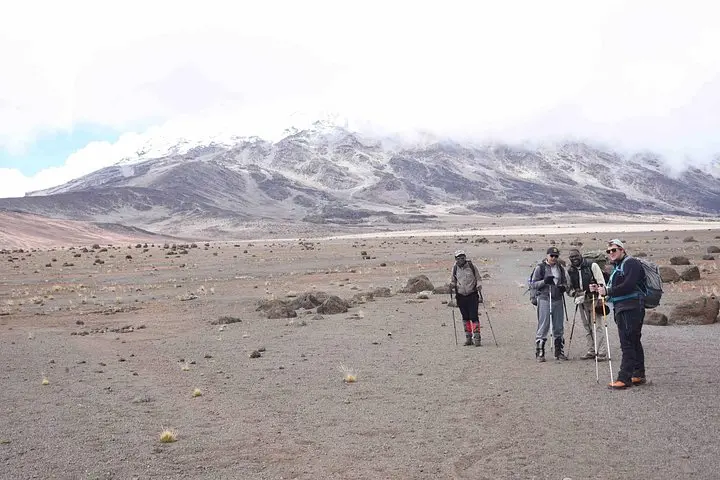
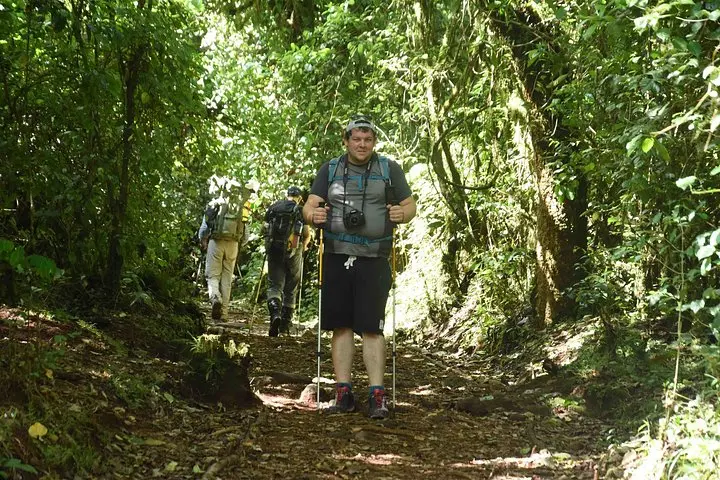
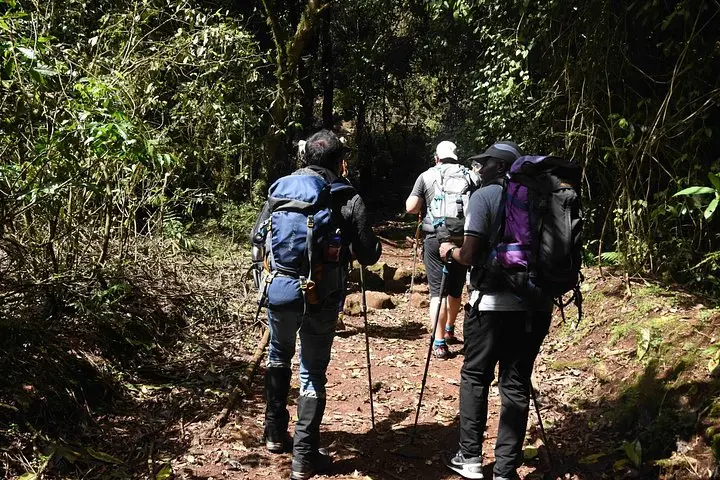
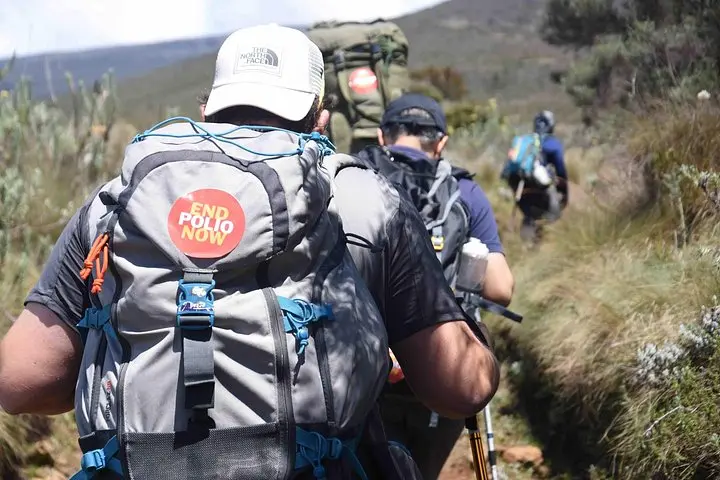
A bus leaves Moshi before dawn and the plain unfurls beneath the windshield—banana plantations, dusty villages, a distant wall of cloud where Kilimanjaro holds its crown. On the second day the trail slips through a damp rainforest that smells of earth and endemic blooms, the path hemmed by ferns that flick water like a curtain. Higher up the trees give way to moorland and the plateau opens, wide and wind-cut, until the mountain’s glacial rim thrusts into view: an austere, silver lip daring you upward.
A bus leaves Moshi before dawn and the plain unfurls beneath the windshield—banana plantations, dusty villages, a distant wall of cloud where Kilimanjaro holds its crown. On the second day the trail slips through a damp rainforest that smells of earth and endemic blooms, the path hemmed by ferns that flick water like a curtain. Higher up the trees give way to moorland and the plateau opens, wide and wind-cut, until the mountain’s glacial rim thrusts into view: an austere, silver lip daring you upward.
The Northern Circuit is the longest route on Kilimanjaro and the quietest. Unlike the crowded Marangu or Machame approaches, it loops around Kibo’s north side, adding distance for slower, steadier altitude gain—one of the route’s chief safety advantages. Geologically Kilimanjaro is a stratovolcano capped by Kibo’s summit crater; glaciers clip its summit slopes, remnants of a colder epoch and a visual reminder of rapid climate changes across East Africa.
Cultural textures thread the trek. Moshi and nearby villages are Chagga territory—agricultural terraces, coffee farms and small markets where guides source fresh supplies. Guides and porters are the day-to-day backbone of any summit attempt; their knowledge of the mountain, weather windows and pacing is the difference between a safe return and strain.
Expect changing terrain and steady elevation: you’ll start at about 2,100 m at Londorossi Gate, reach Shira Plateau around 3,600 m, push over the high alpine and saddle to School Hut at 4,800 m, then attempt the nocturnal summit from 4,800 m to 5,895 m at Uhuru Peak. Summit day is the longest: plan for 12–16 hours round-trip, mostly slow steps on scree and icy crust near the crater rim.
Practicalities are direct: this itinerary takes ten days with porter and support services included, sleeping in expedition tents on the trail and a hotel night in Moshi at the start and finish. Permit fees and park registration are required, and a green or gold certificate is issued at Mweka Gate.
To prepare: train on long uphill days, practice hiking with a loaded pack, and get comfortable eating and hydrating while moving. Layering and a good down jacket matter more than fashion; temperatures swing from humid rainforest warmth to subzero summit winds that will push you back if you’re underdressed.
Logistics: fly into Kilimanjaro International Airport (JRO), overnight in Moshi, meet guides at the arranged pickup, and expect daily hiking segments of 3–7 hours except for summit day. Respect the mountain by following Leave No Trace, using porter services responsibly, and pacing for acclimatization—the mountain rewards patience more than haste.