THE ADVENTURE COLLECTIVE® · Independent discovery and booking for outdoor travel

Explore three of northern Croatia’s most atmospheric castles on a comfortable day tour from Zagreb. Visit Trakošćan’s waterside keep, wander Arboretum Opeka and see the original interiors at Stari Grad while tracing Zagorje’s layered history.
Explore three of northern Croatia’s most atmospheric castles on a comfortable day tour from Zagreb. Visit Trakošćan’s waterside keep, wander Arboretum Opeka and see the original interiors at Stari Grad while tracing Zagorje’s layered history.
You step out of an air‑conditioned minivan and the hills of Zagorje lean in: low beech and oak ridgelines, a quiet lake reflecting a stone keep, and the gravel crunch of courtyards that have held nobles, soldiers and gardeners for centuries.
Verified experiences and guided adventures in the surrounding area.
Operated by Sunlands Tours · Trakošćan, Varaždin County
You step out of an air‑conditioned minivan and the hills of Zagorje lean in: low beech and oak ridgelines, a quiet lake reflecting a stone keep, and the gravel crunch of courtyards that have held nobles, soldiers and gardeners for centuries.
This full‑day loop from Zagreb threads three of northern Croatia’s best‑known sites—Trakošćan Castle, Arboretum Opeka and the Erdődy (Stari Grad) estate—across a landscape shaped by glacial lakes, rolling moraines and centuries of feudal land use. Trakošćan, rebuilt in the 19th century on a 14th‑century footprint, sits beside a small lake carved into the valley; Arboretum Opeka is a designed park with exotic and native plantings surrounding the Bombelles family ruin; and Stari Grad preserves original furnishings that reveal how the Croatian nobility lived.
Culturally, the route traces Hrvatsko Zagorje’s identity: small stone villages, baroque chapels, and a concentration of castles borne from borderland defense and noble estates. Geologically, the gentle hills are the Dinaric foothills and Pannonian basin edge—easy to traverse but visually varied.
Practical guidance: expect paved roads between sites and short, mostly flat walks on gravel or manicured paths; bring waterproof layers for spring showers, comfortable walking shoes, and a charged camera. The tour is suitable for most fitness levels and offers a concise historical primer in one day. Arrive in Zagreb early, plan a full day for travel and visits, and leave time to stroll castle grounds—these places reward a slow pace.
The itinerary runs approximately eight hours, including driving time from Zagreb and 30–60 minute visits at each main site.
This tour typically provides guiding and transport; admissions are often not included—confirm at booking.
Yes; the tour is rated easy and infant seats are available, but expect stairs and some uneven paths at castles.
Basic mobility is required for short walks and steps; contact the operator in advance to discuss accessibility and pickup needs.
Sunlands Tours operates guided outdoor trips and adventures with an emphasis on safety, stewardship, and memorable experiences.
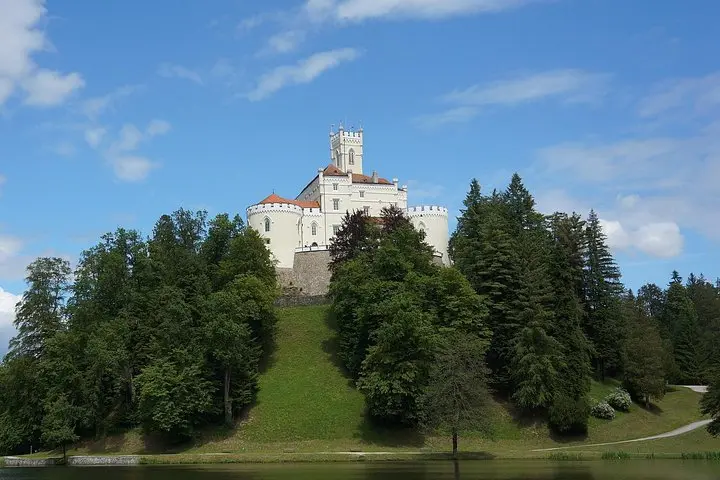
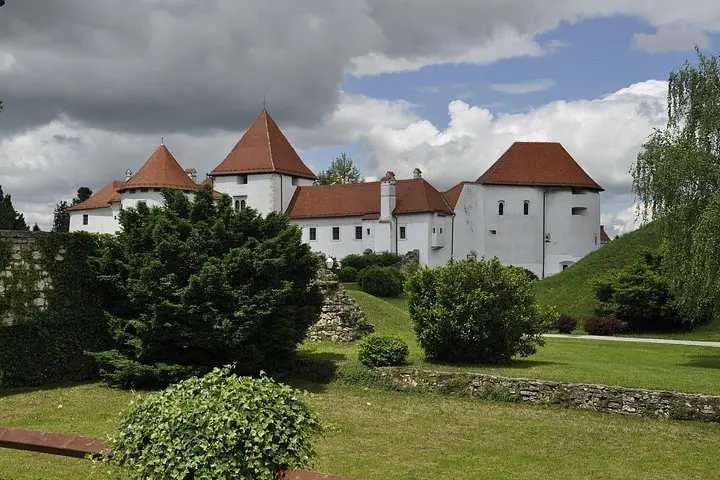
You step out of an air‑conditioned minivan and the hills of Zagorje lean in: low beech and oak ridgelines, a quiet lake reflecting a stone keep, and the gravel crunch of courtyards that have held nobles, soldiers and gardeners for centuries.
You step out of an air‑conditioned minivan and the hills of Zagorje lean in: low beech and oak ridgelines, a quiet lake reflecting a stone keep, and the gravel crunch of courtyards that have held nobles, soldiers and gardeners for centuries.
This full‑day loop from Zagreb threads three of northern Croatia’s best‑known sites—Trakošćan Castle, Arboretum Opeka and the Erdődy (Stari Grad) estate—across a landscape shaped by glacial lakes, rolling moraines and centuries of feudal land use. Trakošćan, rebuilt in the 19th century on a 14th‑century footprint, sits beside a small lake carved into the valley; Arboretum Opeka is a designed park with exotic and native plantings surrounding the Bombelles family ruin; and Stari Grad preserves original furnishings that reveal how the Croatian nobility lived.
Culturally, the route traces Hrvatsko Zagorje’s identity: small stone villages, baroque chapels, and a concentration of castles borne from borderland defense and noble estates. Geologically, the gentle hills are the Dinaric foothills and Pannonian basin edge—easy to traverse but visually varied.
Practical guidance: expect paved roads between sites and short, mostly flat walks on gravel or manicured paths; bring waterproof layers for spring showers, comfortable walking shoes, and a charged camera. The tour is suitable for most fitness levels and offers a concise historical primer in one day. Arrive in Zagreb early, plan a full day for travel and visits, and leave time to stroll castle grounds—these places reward a slow pace.