THE ADVENTURE COLLECTIVE® · Independent discovery and booking for outdoor travel

A ten-day circuit through Ethiopia’s northern highlands links Axum’s obelisks, Lalibela’s rock churches, Gondar’s castles, and Harar’s walled streets. This practical guide outlines what to expect—terrain, culture, and planning tips—to help you prepare for an immersive historical journey.
A ten-day circuit through Ethiopia’s northern highlands links Axum’s obelisks, Lalibela’s rock churches, Gondar’s castles, and Harar’s walled streets. This practical guide outlines what to expect—terrain, culture, and planning tips—to help you prepare for an immersive historical journey.
The road opens on the wide plateaus outside Addis Ababa: dust, eucalyptus scent, and the rhythmic thump of tires over cracked tarmac. Travelers move from city museums to cliff-carved churches, following trade routes that once threaded the Horn of Africa.
Verified experiences and guided adventures in the surrounding area.
Operated by Simien mountain ethiopia tours · Addis Ababa, Addis Ababa
The road opens on the wide plateaus outside Addis Ababa: dust, eucalyptus scent, and the rhythmic thump of tires over cracked tarmac. Travelers move from city museums to cliff-carved churches, following trade routes that once threaded the Horn of Africa.
This itinerary threads Ethiopia’s major epochs—Axum’s stelae and inscriptions from a pre-Christian kingdom, Gondar’s 17th-century stone castles, Lalibela’s 800-year-old monolithic churches, and Harar’s walled lanes where evening hyena-feeding persists as a local ritual. Geology shapes the trip: volcanic highlands, basalt gorges, and the river-sculpted canyon at Blue Nile Falls. Culture is immediate—church tabots carried shoulder-high, market barter in Amharic and Oromo, and Harari houses with stacked, painted rooms.
Expect a mix of short walks, boat rides on Lake Tana, short flights between regional hubs, and multiple hours by comfortable, air-conditioned vehicle. Days balance guided site visits and time to absorb local life—coffee ceremonies, market browsing, and hilltop views.
Practical edge: altitude peaks around 2,500–3,000m in places, so pace yourself and hydrate. Dress modestly at religious sites and wear sturdy shoes for uneven rock stairs in Lalibela and cobbled streets in Harar. Carry small cash for remote entrances and market purchases.
The tour is best from October to March for drier weather, but each season has its own light and life. Bring a camera, layered clothing, and patience—the real reward is the sequence of places that reveal Ethiopia’s long-lived, living history.
Most visitors require a visa obtained online as an e‑visa before arrival; check current Ethiopian government rules for your nationality.
Walks are generally short but include uneven stone steps and slippery paths—moderate mobility and good footwear are advised.
The event is a local tradition supervised by experienced handlers; follow their instructions and keep a respectful distance for safety.
Bring altitude-aware pacing, stay hydrated, ensure routine vaccinations are current, and consult a travel clinic for region-specific advice.
Simien mountain ethiopia tours operates guided outdoor trips and adventures with an emphasis on safety, stewardship, and memorable experiences.

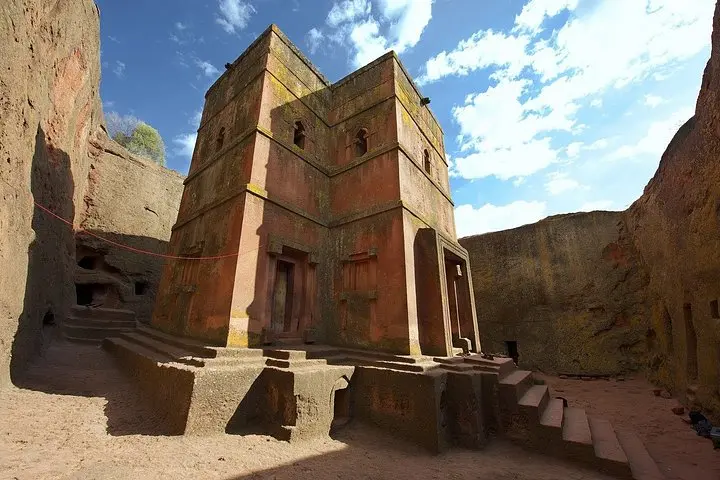
The road opens on the wide plateaus outside Addis Ababa: dust, eucalyptus scent, and the rhythmic thump of tires over cracked tarmac. Travelers move from city museums to cliff-carved churches, following trade routes that once threaded the Horn of Africa.
The road opens on the wide plateaus outside Addis Ababa: dust, eucalyptus scent, and the rhythmic thump of tires over cracked tarmac. Travelers move from city museums to cliff-carved churches, following trade routes that once threaded the Horn of Africa.
This itinerary threads Ethiopia’s major epochs—Axum’s stelae and inscriptions from a pre-Christian kingdom, Gondar’s 17th-century stone castles, Lalibela’s 800-year-old monolithic churches, and Harar’s walled lanes where evening hyena-feeding persists as a local ritual. Geology shapes the trip: volcanic highlands, basalt gorges, and the river-sculpted canyon at Blue Nile Falls. Culture is immediate—church tabots carried shoulder-high, market barter in Amharic and Oromo, and Harari houses with stacked, painted rooms.
Expect a mix of short walks, boat rides on Lake Tana, short flights between regional hubs, and multiple hours by comfortable, air-conditioned vehicle. Days balance guided site visits and time to absorb local life—coffee ceremonies, market browsing, and hilltop views.
Practical edge: altitude peaks around 2,500–3,000m in places, so pace yourself and hydrate. Dress modestly at religious sites and wear sturdy shoes for uneven rock stairs in Lalibela and cobbled streets in Harar. Carry small cash for remote entrances and market purchases.
The tour is best from October to March for drier weather, but each season has its own light and life. Bring a camera, layered clothing, and patience—the real reward is the sequence of places that reveal Ethiopia’s long-lived, living history.