THE ADVENTURE COLLECTIVE® · Independent discovery and booking for outdoor travel

A compact private day trip from Haifa that links the terraced Bahá'í Gardens, the living markets and Crusader walls of Acre, the sea-carved grottoes of Rosh HaNikra and the Roman ruins at Caesarea. Expect 7–8 hours, easy walking and rich coastal history.
A compact private day trip from Haifa that links the terraced Bahá'í Gardens, the living markets and Crusader walls of Acre, the sea-carved grottoes of Rosh HaNikra and the Roman ruins at Caesarea. Expect 7–8 hours, easy walking and rich coastal history.
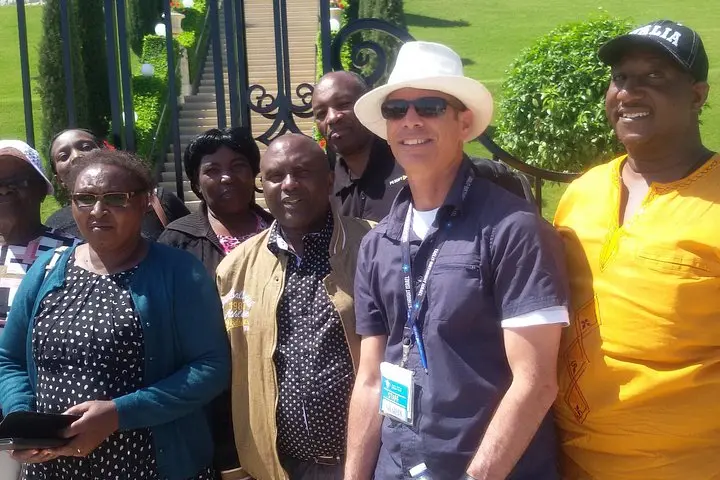
You arrive on Mount Carmel as terraces and clipped hedgerows step down toward the sea: the Bahá'í Gardens cut a precise, almost architectural line across Haifa's slope, the Shrine of the Báb quietly anchoring the vista.
Verified experiences and guided adventures in the surrounding area.
Operated by Cross Israel Tours · Haifa, Haifa District
You arrive on Mount Carmel as terraces and clipped hedgerows step down toward the sea: the Bahá'í Gardens cut a precise, almost architectural line across Haifa's slope, the Shrine of the Báb quietly anchoring the vista.
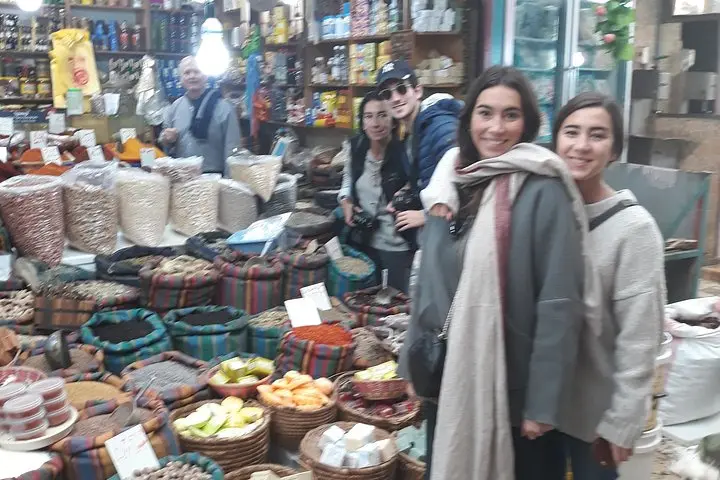
From that ordered calm the day loosens: Acre’s cobbled lanes open into a market of spices, fresh fish and Ottoman stone; Rosh HaNikra’s chalk cliffs roar with Atlantic-born waves that have carved grottoes into the headland; and Caesarea hands you the scale of Roman ambition in an amphitheater and ruined port.
This full-day private tour by seven-seat van ties these sites into a single coastal narrative. Geologically, Rosh HaNikra is white chalk and marl—fragile cliffs where sea and time make caverns—while Caesarea rests on ancient hydraulic engineering and the remains of Herodian construction. Culturally the route threads Crusader walls, Ottoman mosques, Bahá'í World Centre grounds (UNESCO-listed) and Arab-Jewish marketplaces, offering a compact lesson in northern Israel’s layered past.
Practical notes: expect 7–8 hours on the road with walking at each stop; entrances and a light Israeli-style street-food lunch are included. Wear sturdy walking shoes and sun protection, and plan the Bahá'í visit early to avoid crowds. Accessibility is generally good—transport and many sites are wheelchair-accessible—but some historic sites have steps. Keep a daypack with water, camera, and a light shell; respect site rules, stay on paths at Rosh HaNikra, and allow time at the market to wander and sample local flavors.
Yes—transport and many sites are wheelchair-accessible, though some historic areas include steps; notify the operator in advance to arrange the smoothest route.
No—the tour visits the Israeli side of Rosh HaNikra only; no border crossing into Lebanon is involved, but carry ID for security checks if requested.
A light lunch in the style of Israeli street food is included, typically local salads, flatbreads and small plates—inform the operator of dietary restrictions when booking.
Each site requires 20–60 minutes of on-foot exploration; Acre’s market and Caesarea have more walking, while Rosh HaNikra includes short cliff and grotto paths.
Cross Israel Tours operates guided outdoor trips and adventures with an emphasis on safety, stewardship, and memorable experiences.

You arrive on Mount Carmel as terraces and clipped hedgerows step down toward the sea: the Bahá'í Gardens cut a precise, almost architectural line across Haifa's slope, the Shrine of the Báb quietly anchoring the vista.
You arrive on Mount Carmel as terraces and clipped hedgerows step down toward the sea: the Bahá'í Gardens cut a precise, almost architectural line across Haifa's slope, the Shrine of the Báb quietly anchoring the vista.
From that ordered calm the day loosens: Acre’s cobbled lanes open into a market of spices, fresh fish and Ottoman stone; Rosh HaNikra’s chalk cliffs roar with Atlantic-born waves that have carved grottoes into the headland; and Caesarea hands you the scale of Roman ambition in an amphitheater and ruined port.
This full-day private tour by seven-seat van ties these sites into a single coastal narrative. Geologically, Rosh HaNikra is white chalk and marl—fragile cliffs where sea and time make caverns—while Caesarea rests on ancient hydraulic engineering and the remains of Herodian construction. Culturally the route threads Crusader walls, Ottoman mosques, Bahá'í World Centre grounds (UNESCO-listed) and Arab-Jewish marketplaces, offering a compact lesson in northern Israel’s layered past.
Practical notes: expect 7–8 hours on the road with walking at each stop; entrances and a light Israeli-style street-food lunch are included. Wear sturdy walking shoes and sun protection, and plan the Bahá'í visit early to avoid crowds. Accessibility is generally good—transport and many sites are wheelchair-accessible—but some historic sites have steps. Keep a daypack with water, camera, and a light shell; respect site rules, stay on paths at Rosh HaNikra, and allow time at the market to wander and sample local flavors.