THE ADVENTURE COLLECTIVE® · Independent discovery and booking for outdoor travel

A four-hour guided chase from Reykjavik that pairs local storytelling, hot chocolate, and roadside stops to hunt the aurora. Ideal for travelers who want a low‑effort, high‑reward night under Iceland’s dark skies.
A four-hour guided chase from Reykjavik that pairs local storytelling, hot chocolate, and roadside stops to hunt the aurora. Ideal for travelers who want a low‑effort, high‑reward night under Iceland’s dark skies.
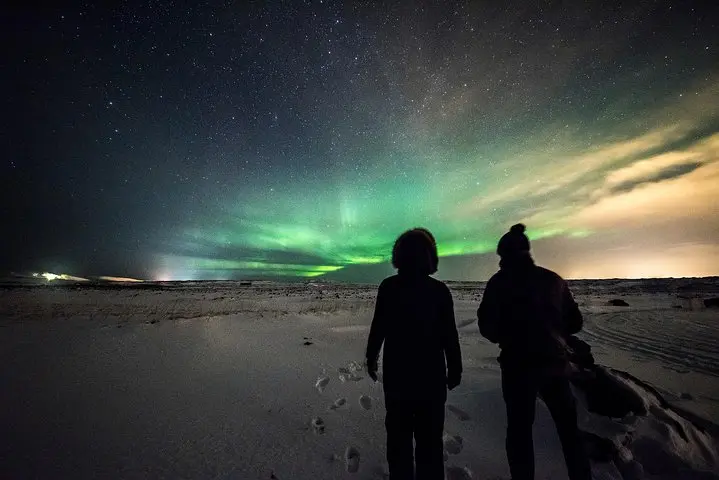
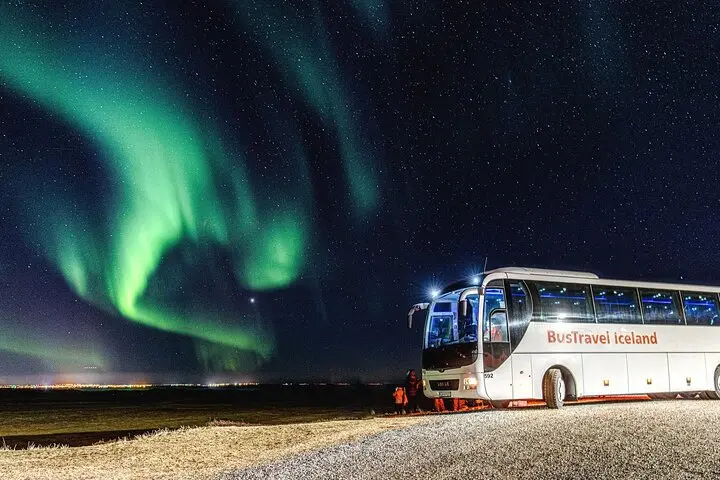
You step onto the bus at Harpa, hot chocolate in hand, while Reykjavik’s sodium lamps smear the horizon behind you. The city shrinks to a scatter of orange as the bus eases out onto open roads and the black of the Icelandic night becomes a field. Inside, the guide leans into the mic with old tales—how early islanders read the sky for omens—and outside the clouds move like a curtain that could fall open at any minute.
Verified experiences and guided adventures in the surrounding area.
Operated by BusTravel Iceland · Reykjavik, Capital Region
You step onto the bus at Harpa, hot chocolate in hand, while Reykjavik’s sodium lamps smear the horizon behind you. The city shrinks to a scatter of orange as the bus eases out onto open roads and the black of the Icelandic night becomes a field. Inside, the guide leans into the mic with old tales—how early islanders read the sky for omens—and outside the clouds move like a curtain that could fall open at any minute.
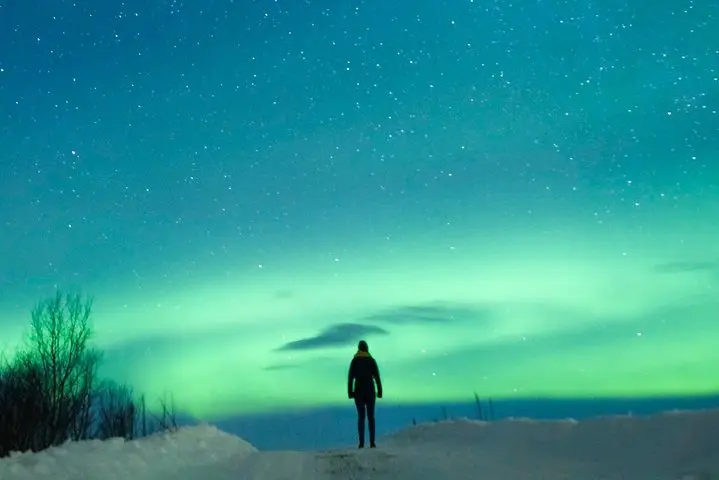
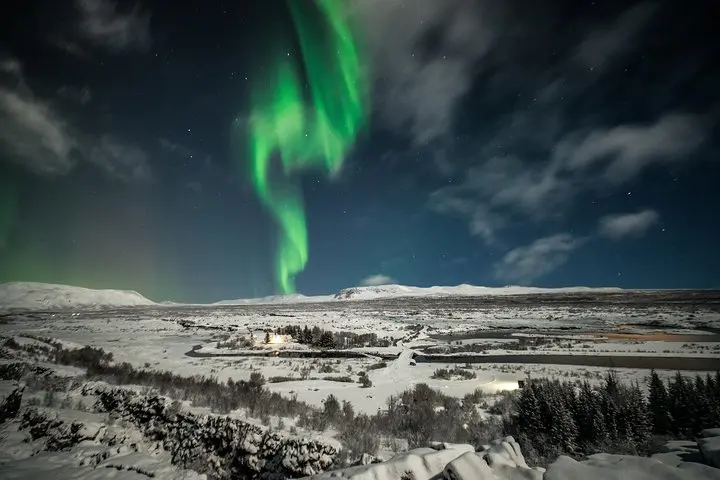
Iceland’s aurora shows are written by charged particles from the sun colliding with the planet’s upper atmosphere. Here, close to the Arctic Circle and buffered by low light pollution once you leave Reykjavik, the sky is a clean stage. Geology matters too: lava fields and basalt ridges on the Reykjanes Peninsula provide wide, unobstructed western and northern horizons, while fjords and coastal inlets offer reflective water for mirrored displays.
Culturally, the aurora has been stitched into Icelandic storytelling. Guides often punctuate the night with sagas and local folklore—humble, human counterpoints to the grandeur above. The tour taps that mix of natural science and oral history, and it’s built to be accessible: little walking, mostly roadside stops, and a plan to move until clear skies are found.
Practical guide: the trip is four hours; expect long stretches of idling in clearings while the guide scouts sky conditions. Dress for wind and cold—temperatures can plummet and wind will bite through thin layers. Bring a tripod and a camera you can set manually; phones can capture bright auroras but full arcs and ribbons require longer exposures (5–15 seconds, wide aperture, ISO 1600–3200 as a starting point). Cold drains batteries fast—carry spares close to your body.
The operator includes hot chocolate and onboard Wi‑Fi, and the small comforts matter on long nights. Pickup is available from central Reykjavik stops; confirm your stop in advance. If clouds block the sky, most operators offer a free rebook on another night—take advantage of that rather than pushing into unsafe roads.
Timing and patience are the keys: aurora season runs in darker months and peak nights are often after 10pm. Travel with a flexible mindset—this is a chase where weather, solar activity, and a bit of luck converge. When the sky finally erupts, you’ll feel the lights move like a living thing, painting and sweeping, and the cold will feel secondary to the sudden, bright reward.
Sightings depend on solar activity and clear skies; guides chase optimal locations and many nights are successful, but operators typically offer a free rebook if you don’t see them.
The tour is approximately four hours and departs from designated Reykjavik stops such as Harpa; confirm your exact pickup location and time on your ticket or via the supplier email.
Yes—minimum age is 6; the tour involves limited physical activity but late hours and cold conditions may be challenging for very young children.
Smartphones can capture bright auroras but for detailed ribbons and wide arcs bring a camera with manual settings and a tripod for best results.
Dress in warm, windproof and waterproof layers, insulated boots, hat and gloves; bring hand warmers for long waits outdoors.
Tours can be cancelled for unsafe conditions; if clouds block the sky, many operators allow you to rebook one additional night for free.
BusTravel Iceland operates guided outdoor trips and adventures with an emphasis on safety, stewardship, and memorable experiences.
You step onto the bus at Harpa, hot chocolate in hand, while Reykjavik’s sodium lamps smear the horizon behind you. The city shrinks to a scatter of orange as the bus eases out onto open roads and the black of the Icelandic night becomes a field. Inside, the guide leans into the mic with old tales—how early islanders read the sky for omens—and outside the clouds move like a curtain that could fall open at any minute.
You step onto the bus at Harpa, hot chocolate in hand, while Reykjavik’s sodium lamps smear the horizon behind you. The city shrinks to a scatter of orange as the bus eases out onto open roads and the black of the Icelandic night becomes a field. Inside, the guide leans into the mic with old tales—how early islanders read the sky for omens—and outside the clouds move like a curtain that could fall open at any minute.
Iceland’s aurora shows are written by charged particles from the sun colliding with the planet’s upper atmosphere. Here, close to the Arctic Circle and buffered by low light pollution once you leave Reykjavik, the sky is a clean stage. Geology matters too: lava fields and basalt ridges on the Reykjanes Peninsula provide wide, unobstructed western and northern horizons, while fjords and coastal inlets offer reflective water for mirrored displays.
Culturally, the aurora has been stitched into Icelandic storytelling. Guides often punctuate the night with sagas and local folklore—humble, human counterpoints to the grandeur above. The tour taps that mix of natural science and oral history, and it’s built to be accessible: little walking, mostly roadside stops, and a plan to move until clear skies are found.
Practical guide: the trip is four hours; expect long stretches of idling in clearings while the guide scouts sky conditions. Dress for wind and cold—temperatures can plummet and wind will bite through thin layers. Bring a tripod and a camera you can set manually; phones can capture bright auroras but full arcs and ribbons require longer exposures (5–15 seconds, wide aperture, ISO 1600–3200 as a starting point). Cold drains batteries fast—carry spares close to your body.
The operator includes hot chocolate and onboard Wi‑Fi, and the small comforts matter on long nights. Pickup is available from central Reykjavik stops; confirm your stop in advance. If clouds block the sky, most operators offer a free rebook on another night—take advantage of that rather than pushing into unsafe roads.
Timing and patience are the keys: aurora season runs in darker months and peak nights are often after 10pm. Travel with a flexible mindset—this is a chase where weather, solar activity, and a bit of luck converge. When the sky finally erupts, you’ll feel the lights move like a living thing, painting and sweeping, and the cold will feel secondary to the sudden, bright reward.