THE ADVENTURE COLLECTIVE® · Independent discovery and booking for outdoor travel

Step away from Reykjavík’s lights and watch the aurora from the water on a 2–3 hour evening cruise. Heated cabins, warm overalls, and an experienced crew make this an accessible way to chase the Northern Lights.
Step away from Reykjavík’s lights and watch the aurora from the water on a 2–3 hour evening cruise. Heated cabins, warm overalls, and an experienced crew make this an accessible way to chase the Northern Lights.
A low wake parts the darkness as you step onto the deck, the city lights of Reykjavík shrinking behind you and the cold Atlantic air sharpening every breath. Warm flotation overalls and heated cabins keep you comfortable, while guides scan the sky and the coastline for the first green ribbons. Out here the aurora has room to move — the sky dares you to keep watch.
Verified experiences and guided adventures in the surrounding area.
Operated by Reykjavik Sailors · Reykjavík, Capital Region
A low wake parts the darkness as you step onto the deck, the city lights of Reykjavík shrinking behind you and the cold Atlantic air sharpening every breath. Warm flotation overalls and heated cabins keep you comfortable, while guides scan the sky and the coastline for the first green ribbons. Out here the aurora has room to move — the sky dares you to keep watch.
The aurora borealis is not folklore but physics: charged particles from the sun colliding with Earth’s atmosphere, painting high-latitude skies. Iceland’s volcanic bedrock and coastal fjords set the stage, with black lava cliffs and small islands like Videy framing the view. Locals once read the lights as omens; today the spectacle sits alongside Reykjavík’s modern harbor culture — cafés, Harpa concert hall, and the low lighthouse at Grótta that makes a quiet silhouette on the horizon.
Practically, tours run about 2–3 hours and aim to escape urban light pollution for clearer viewing. Night windows are best from September through April, with weather and solar activity determining success; most operators offer a free rebooking if you don’t see the aurora. Expect cold, potentially windy conditions on deck — bring layers, a windproof shell, and a charged camera with manual settings for long exposures. Seasickness tablets are available on many boats, and most vessels have indoor seating, toilets, and Wi‑Fi.
Arrive at least 30 minutes early, follow guide instructions for safety, and stay patient: the show can be sudden or slow to form. When the sky finally shifts, it rewards the wait with movement that feels alive — a raw, northern performance best experienced from the quiet of the sea.
Prime aurora months are September through April when nights are longest; clear skies and high solar activity improve chances.
Most operators offer a free rebooking or voucher for another night if there are no confirmed aurora sightings during your cruise.
Many vessels have heated indoor cabins and are wheelchair accessible, but notify the operator in advance so they can accommodate you and advise on boarding arrangements.
Some passengers experience motion; complimentary seasickness tablets are often available, but bring your preferred medication or use acupressure bands if you’re sensitive.
Reykjavik Sailors operates guided outdoor trips and adventures with an emphasis on safety, stewardship, and memorable experiences.
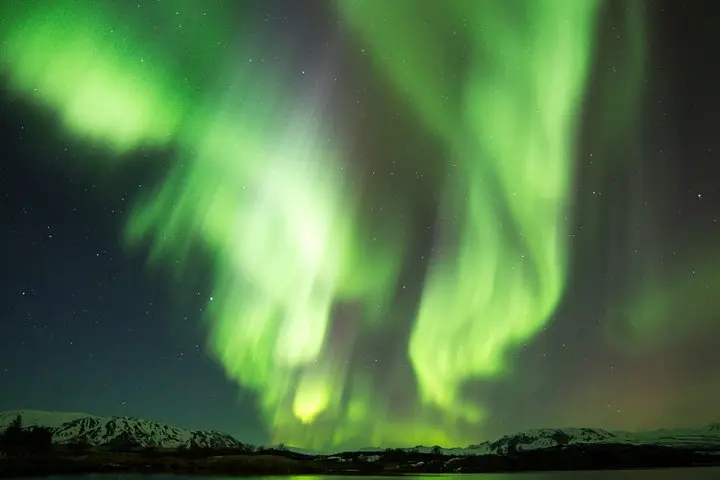
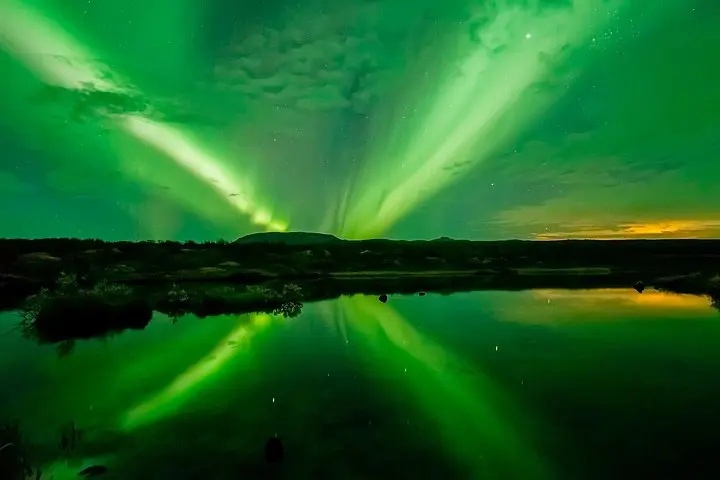
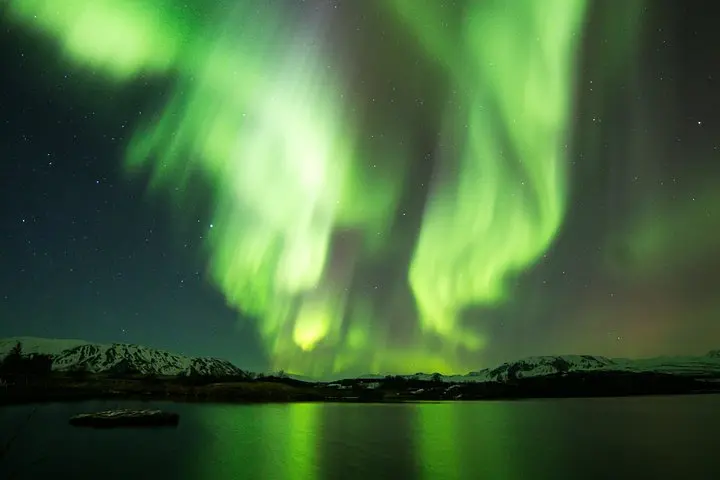
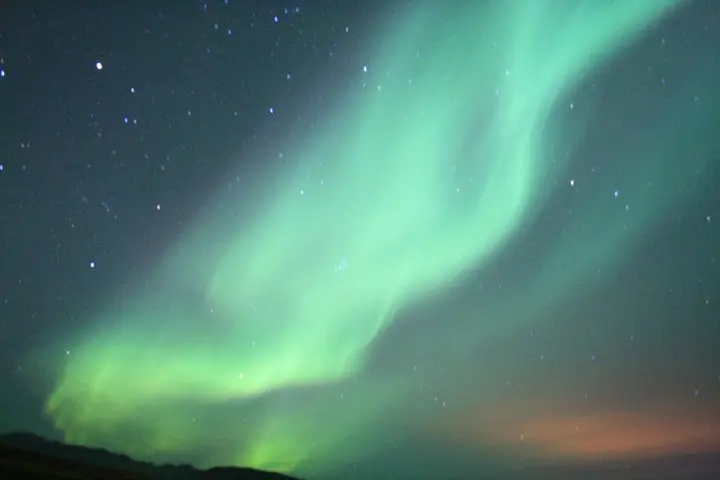
A low wake parts the darkness as you step onto the deck, the city lights of Reykjavík shrinking behind you and the cold Atlantic air sharpening every breath. Warm flotation overalls and heated cabins keep you comfortable, while guides scan the sky and the coastline for the first green ribbons. Out here the aurora has room to move — the sky dares you to keep watch.
A low wake parts the darkness as you step onto the deck, the city lights of Reykjavík shrinking behind you and the cold Atlantic air sharpening every breath. Warm flotation overalls and heated cabins keep you comfortable, while guides scan the sky and the coastline for the first green ribbons. Out here the aurora has room to move — the sky dares you to keep watch.
The aurora borealis is not folklore but physics: charged particles from the sun colliding with Earth’s atmosphere, painting high-latitude skies. Iceland’s volcanic bedrock and coastal fjords set the stage, with black lava cliffs and small islands like Videy framing the view. Locals once read the lights as omens; today the spectacle sits alongside Reykjavík’s modern harbor culture — cafés, Harpa concert hall, and the low lighthouse at Grótta that makes a quiet silhouette on the horizon.
Practically, tours run about 2–3 hours and aim to escape urban light pollution for clearer viewing. Night windows are best from September through April, with weather and solar activity determining success; most operators offer a free rebooking if you don’t see the aurora. Expect cold, potentially windy conditions on deck — bring layers, a windproof shell, and a charged camera with manual settings for long exposures. Seasickness tablets are available on many boats, and most vessels have indoor seating, toilets, and Wi‑Fi.
Arrive at least 30 minutes early, follow guide instructions for safety, and stay patient: the show can be sudden or slow to form. When the sky finally shifts, it rewards the wait with movement that feels alive — a raw, northern performance best experienced from the quiet of the sea.