THE ADVENTURE COLLECTIVE® · Independent discovery and booking for outdoor travel

Board a coach in Reykjavik and chase the aurora across Icelandic skies. This guided bus tour balances mobility and comfort—hot drinks, roadside stops, and guides who track the best clear-sky windows.
Board a coach in Reykjavik and chase the aurora across Icelandic skies. This guided bus tour balances mobility and comfort—hot drinks, roadside stops, and guides who track the best clear-sky windows.
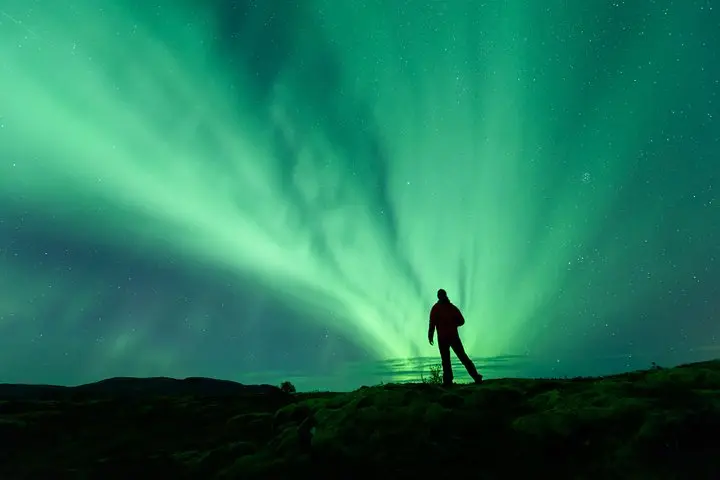
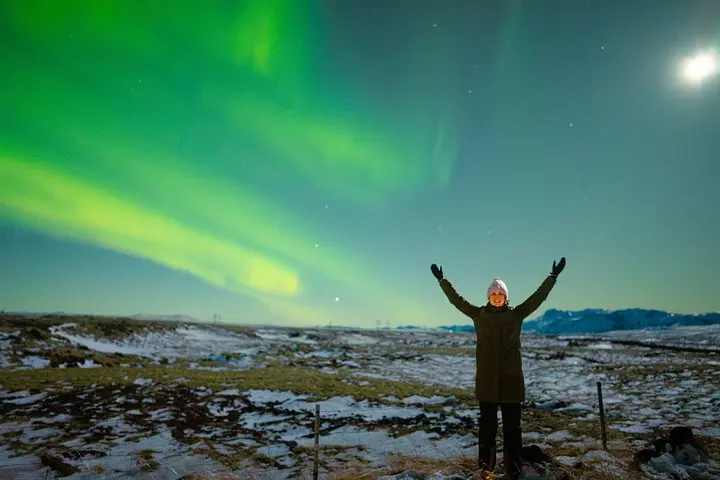
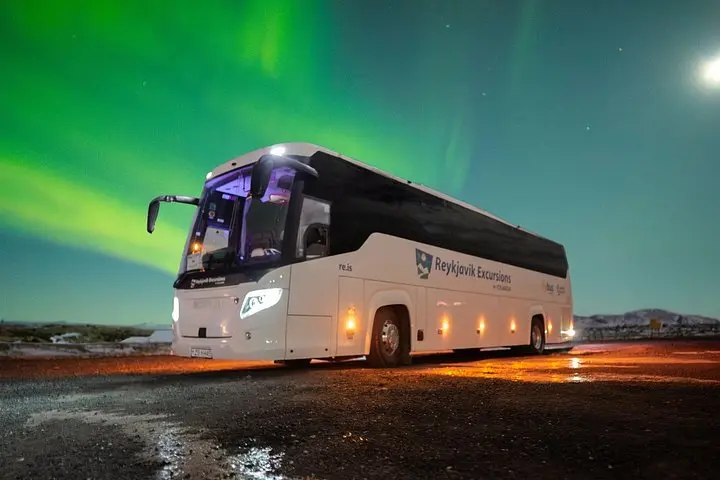
A hush falls over the highway as the bus slides out of Reykjavik into the charcoal of an Icelandic night. Headlights carve a path through low cloud and black lava fields; passengers press their faces to windows as the sky shifts and a green ribbon unfurls, daring you to look up.
Verified experiences and guided adventures in the surrounding area.
Operated by Reykjavik Excursions · Reykjavik, Capital Region
A hush falls over the highway as the bus slides out of Reykjavik into the charcoal of an Icelandic night. Headlights carve a path through low cloud and black lava fields; passengers press their faces to windows as the sky shifts and a green ribbon unfurls, daring you to look up.
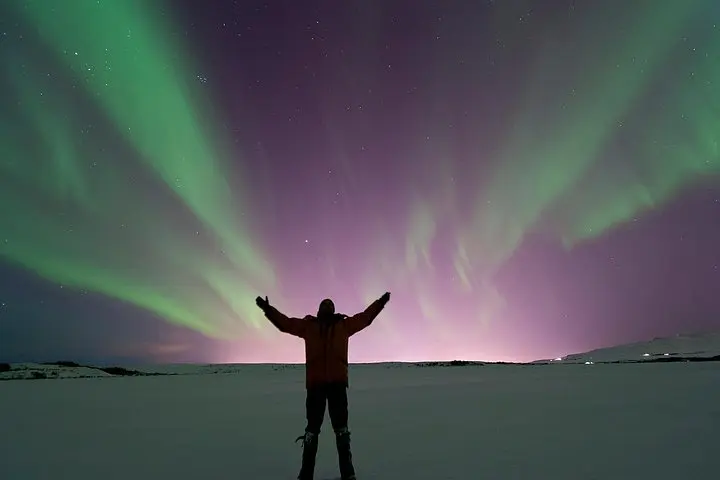
The lights themselves are charged particles from the sun meeting Earth’s magnetic shield — a physical show written by space weather and translated into color by our atmosphere. Iceland’s coastline and inland plateaus, shaped by basalt flows and glacial carving, offer wide, dark skies that increase the odds of sightings. Local lore treats the aurora with equal parts reverence and practicality: fishermen once read the heavens for weather and fortune.
Tours range from short stakeouts to longer runs that follow clear skies; guides read cloud cover and aurora forecasts and move accordingly. Expect roadside stops rather than long hikes—the landscape is raw and accessible, with gravel pullouts and occasional wooden viewing platforms.
Practicalities matter: dress in thermal layers, carry spare batteries for cameras, and use a tripod or a steady surface for long exposure shots. Tours operate mainly August through April, with peak activity and long nights from September to March. Bring a warm drink — many operators sell waffles and hot chocolate — and allow time for late returns; schedules are flexible and sightings aren’t guaranteed, though many companies offer a free rebook if you miss the show.
This tour is a pragmatic way to chase a wild sky: minimal hiking, maximum mobility, and a guide who reads weather the way a captain reads a map.
Aurora season runs roughly August–April; the darkest, clearest nights from September through March offer the best viewing windows.
No—sightings depend on solar activity and clear skies; many operators offer a free rebook if you don’t see the lights on your booked night.
Yes—this bus-based tour is rated easy and appropriate for most ages, though minimum ages may apply and long, cold waits can be uncomfortable for some.
You can usually buy hot drinks and snacks like waffles on site, but bringing a thermos and snacks is a good backup if you prefer specific items.
Reykjavik Excursions operates guided outdoor trips and adventures with an emphasis on safety, stewardship, and memorable experiences.
A hush falls over the highway as the bus slides out of Reykjavik into the charcoal of an Icelandic night. Headlights carve a path through low cloud and black lava fields; passengers press their faces to windows as the sky shifts and a green ribbon unfurls, daring you to look up.
A hush falls over the highway as the bus slides out of Reykjavik into the charcoal of an Icelandic night. Headlights carve a path through low cloud and black lava fields; passengers press their faces to windows as the sky shifts and a green ribbon unfurls, daring you to look up.
The lights themselves are charged particles from the sun meeting Earth’s magnetic shield — a physical show written by space weather and translated into color by our atmosphere. Iceland’s coastline and inland plateaus, shaped by basalt flows and glacial carving, offer wide, dark skies that increase the odds of sightings. Local lore treats the aurora with equal parts reverence and practicality: fishermen once read the heavens for weather and fortune.
Tours range from short stakeouts to longer runs that follow clear skies; guides read cloud cover and aurora forecasts and move accordingly. Expect roadside stops rather than long hikes—the landscape is raw and accessible, with gravel pullouts and occasional wooden viewing platforms.
Practicalities matter: dress in thermal layers, carry spare batteries for cameras, and use a tripod or a steady surface for long exposure shots. Tours operate mainly August through April, with peak activity and long nights from September to March. Bring a warm drink — many operators sell waffles and hot chocolate — and allow time for late returns; schedules are flexible and sightings aren’t guaranteed, though many companies offer a free rebook if you miss the show.
This tour is a pragmatic way to chase a wild sky: minimal hiking, maximum mobility, and a guide who reads weather the way a captain reads a map.