THE ADVENTURE COLLECTIVE® · Independent discovery and booking for outdoor travel

Spend a full day touring northern Mauritius from the red‑roofed chapel at Cap Malheureux to the sugar museum and Château de Labourdonnais. This guided circuit pairs cultural history with scenic viewpoints, market visits and a local 3‑course lunch.
Spend a full day touring northern Mauritius from the red‑roofed chapel at Cap Malheureux to the sugar museum and Château de Labourdonnais. This guided circuit pairs cultural history with scenic viewpoints, market visits and a local 3‑course lunch.
You step out of an air‑conditioned vehicle into an equatorial light that throws sharp shadows across the red roof of Cap Malheureux and the long white ribbon of Mont Choisy. The north of Mauritius unfolds as a sequence of landscapes—powder sand fringed by Casuarina trees, colonial stone and manicured orchards—each stop a different chapter in the island’s story.
Verified experiences and guided adventures in the surrounding area.
Operated by Freshverde Holidays · Port Louis, Port Louis District
You step out of an air‑conditioned vehicle into an equatorial light that throws sharp shadows across the red roof of Cap Malheureux and the long white ribbon of Mont Choisy. The north of Mauritius unfolds as a sequence of landscapes—powder sand fringed by Casuarina trees, colonial stone and manicured orchards—each stop a different chapter in the island’s story.
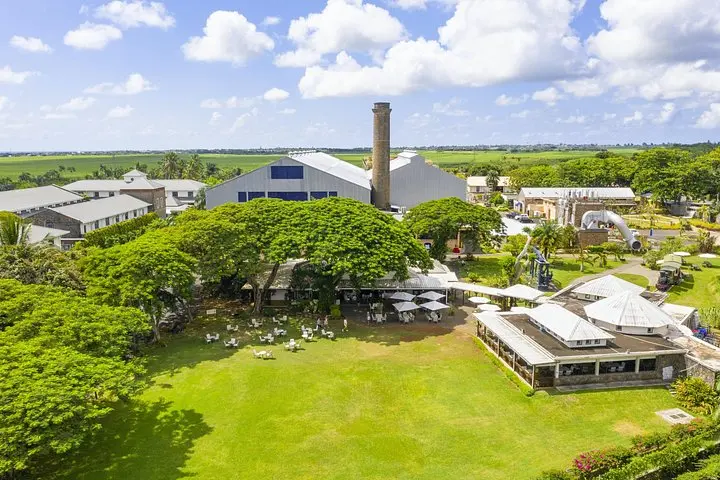
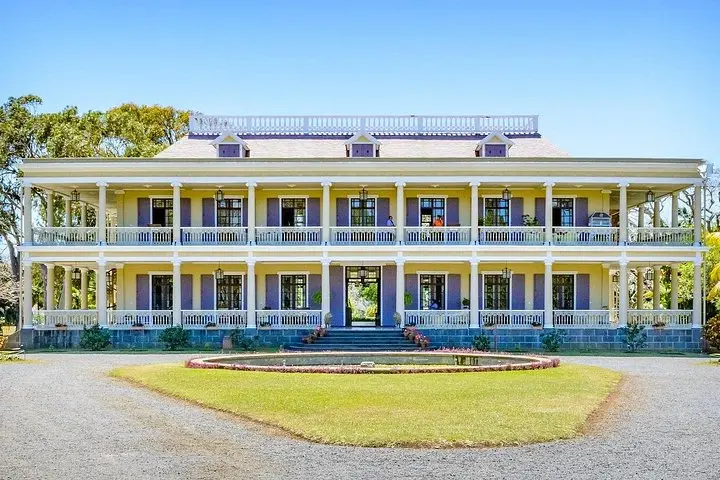
This loop links Port Louis’ urban heartbeat with the rural pulse of the sugar estates. At Aventure du Sucre, antique mills and multimedia exhibits trace more than sugar production; they trace migration, slavery, and the economic forces that shaped Mauritian society. Château de Labourdonnais sits on a 19th‑century estate where creole and French influences meet botanical orchards and a working rhumerie. The Citadel and Caudan Waterfront show the capital’s maritime and colonial layers, while the bustling central market offers spices, street food, and everyday life.
Geologically the island is volcanic—rocky headlands give way to coral flats and sheltered bays—so each vista reads as terrain shaped by fire and sea. Culturally, north Mauritius is multicultural: Creole, Indian, Chinese and European threads appear in food, architecture and festivals.
Practically, the day is drive‑heavy but low impact: wear non‑slip shoes for cobbled sites, sun protection for exposed viewpoints, and bring cash for market purchases. Expect guided entry at museums, a 3‑course lunch, and several short walks and photo stops. Time your visit for morning light at Cap Malheureux or late afternoon at the Citadel for the best panoramas.
Yes—private pickup and drop‑off at any Mauritius accommodation is included in the tour.
Admission to Aventure du Sucre and Château de Labourdonnais are included, along with tastings specified in the itinerary.
A vegetarian option is available; advise the operator at booking for allergies or special diets.
Yes—infants and small children are stroller‑accessible and infant seats are available; children under 3 may be free.
Freshverde Holidays operates guided outdoor trips and adventures with an emphasis on safety, stewardship, and memorable experiences.
You step out of an air‑conditioned vehicle into an equatorial light that throws sharp shadows across the red roof of Cap Malheureux and the long white ribbon of Mont Choisy. The north of Mauritius unfolds as a sequence of landscapes—powder sand fringed by Casuarina trees, colonial stone and manicured orchards—each stop a different chapter in the island’s story.
You step out of an air‑conditioned vehicle into an equatorial light that throws sharp shadows across the red roof of Cap Malheureux and the long white ribbon of Mont Choisy. The north of Mauritius unfolds as a sequence of landscapes—powder sand fringed by Casuarina trees, colonial stone and manicured orchards—each stop a different chapter in the island’s story.
This loop links Port Louis’ urban heartbeat with the rural pulse of the sugar estates. At Aventure du Sucre, antique mills and multimedia exhibits trace more than sugar production; they trace migration, slavery, and the economic forces that shaped Mauritian society. Château de Labourdonnais sits on a 19th‑century estate where creole and French influences meet botanical orchards and a working rhumerie. The Citadel and Caudan Waterfront show the capital’s maritime and colonial layers, while the bustling central market offers spices, street food, and everyday life.
Geologically the island is volcanic—rocky headlands give way to coral flats and sheltered bays—so each vista reads as terrain shaped by fire and sea. Culturally, north Mauritius is multicultural: Creole, Indian, Chinese and European threads appear in food, architecture and festivals.
Practically, the day is drive‑heavy but low impact: wear non‑slip shoes for cobbled sites, sun protection for exposed viewpoints, and bring cash for market purchases. Expect guided entry at museums, a 3‑course lunch, and several short walks and photo stops. Time your visit for morning light at Cap Malheureux or late afternoon at the Citadel for the best panoramas.