THE ADVENTURE COLLECTIVE® · Independent discovery and booking for outdoor travel

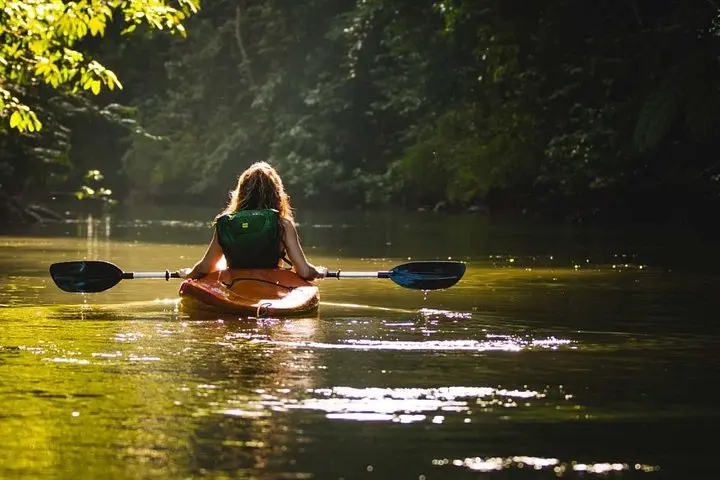
Explore northern Phu Quoc in a single day: discover Starfish Beach, glide mangrove channels by kayak, and visit the stilted houses of Rach Vem Village. This practical coastal tour combines easy paddling, shallow reefs, and authentic fishing-village culture.
Explore northern Phu Quoc in a single day: discover Starfish Beach, glide mangrove channels by kayak, and visit the stilted houses of Rach Vem Village. This practical coastal tour combines easy paddling, shallow reefs, and authentic fishing-village culture.
You step off the transfer bus and the air changes—salty, warm, and bright with sunlight. The northern flank of Phu Quoc opens in low, wind-cut headlands and long shallow bays; the sea here pulls and releases like a living thing, revealing beds of red starfish and slender mangrove channels that dare you to paddle them.
Verified experiences and guided adventures in the surrounding area.
Operated by TREVOPEDIA · Duong Dong, Kien Giang
You step off the transfer bus and the air changes—salty, warm, and bright with sunlight. The northern flank of Phu Quoc opens in low, wind-cut headlands and long shallow bays; the sea here pulls and releases like a living thing, revealing beds of red starfish and slender mangrove channels that dare you to paddle them.
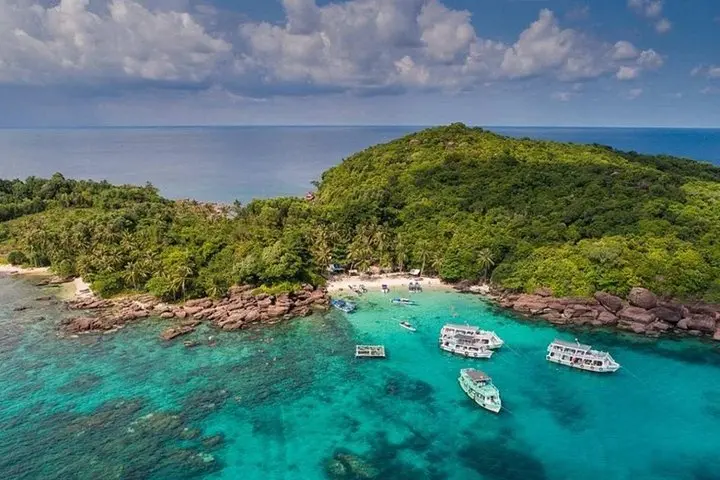
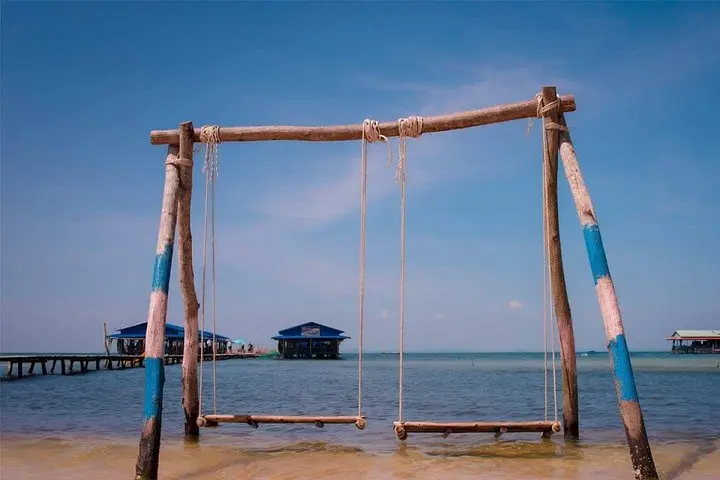
This day tour threads cultural and coastal landscapes: Cửa Cạn’s river mouth where rivers slow and fishing boats drift, the stilt houses of Rach Vem Village built over clear water, and Mũi Gành Dầu’s headland that looks toward Cambodia. Geologically Phu Quoc is a low-lying granite and limestone island with sedimentary beaches formed by longshore currents; the north tends to have calmer, clearer water and visible nearshore reefs.
Locals still fish and farm pepper and produce nước mắm (fish sauce), and villages retain a quietly practical way of life—simple markets, boats being pulled ashore, nets drying in sun.
Practical guidance: the full loop takes about 5–6 hours with on-site walking and short paddles in kayaks or basket boats. Bring reef-safe sunscreen, water shoes, and a dry bag; starfish should be observed without touching. Kayak sections are sheltered but can be affected by tides—early morning or late afternoon light is best for photos and calmer water. Expect light walking on sand and village docks; most portions are suitable for travelers of average mobility. Plan for seafood lunches at village restaurants and factor small local-transfer surcharges if you’re outside central pickup zones. This tour balances quiet coastal time with cultural observation—simple, direct, and very much outdoors.
No formal swim test is required; however, basic comfort in water and following guide safety instructions are necessary for kayak sections—life jackets are provided.
No—starfish are delicate and should not be handled; observe them in place and keep a respectful distance to avoid damaging their habitat.
The operator lists wheelchair-accessible options for transport and some surfaces, but boat landings and village docks may have steps; contact the provider about specific mobility needs before booking.
Mineral water and entrance fees are included; the itinerary typically includes a local seafood lunch but check the booking page for exact inclusions and dietary requests.
TREVOPEDIA operates guided outdoor trips and adventures with an emphasis on safety, stewardship, and memorable experiences.
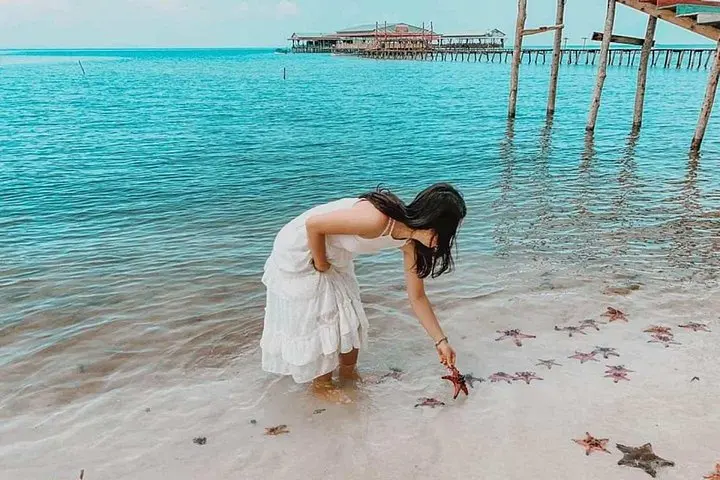
You step off the transfer bus and the air changes—salty, warm, and bright with sunlight. The northern flank of Phu Quoc opens in low, wind-cut headlands and long shallow bays; the sea here pulls and releases like a living thing, revealing beds of red starfish and slender mangrove channels that dare you to paddle them.
You step off the transfer bus and the air changes—salty, warm, and bright with sunlight. The northern flank of Phu Quoc opens in low, wind-cut headlands and long shallow bays; the sea here pulls and releases like a living thing, revealing beds of red starfish and slender mangrove channels that dare you to paddle them.
This day tour threads cultural and coastal landscapes: Cửa Cạn’s river mouth where rivers slow and fishing boats drift, the stilt houses of Rach Vem Village built over clear water, and Mũi Gành Dầu’s headland that looks toward Cambodia. Geologically Phu Quoc is a low-lying granite and limestone island with sedimentary beaches formed by longshore currents; the north tends to have calmer, clearer water and visible nearshore reefs.
Locals still fish and farm pepper and produce nước mắm (fish sauce), and villages retain a quietly practical way of life—simple markets, boats being pulled ashore, nets drying in sun.
Practical guidance: the full loop takes about 5–6 hours with on-site walking and short paddles in kayaks or basket boats. Bring reef-safe sunscreen, water shoes, and a dry bag; starfish should be observed without touching. Kayak sections are sheltered but can be affected by tides—early morning or late afternoon light is best for photos and calmer water. Expect light walking on sand and village docks; most portions are suitable for travelers of average mobility. Plan for seafood lunches at village restaurants and factor small local-transfer surcharges if you’re outside central pickup zones. This tour balances quiet coastal time with cultural observation—simple, direct, and very much outdoors.