THE ADVENTURE COLLECTIVE® · Independent discovery and booking for outdoor travel

Drive north from Doha to a coastline of mangroves, salt flats and archaeology. This private half-day combines bird-friendly channels at Purple Island with the UNESCO-registered Zubarah Fort and the ghosted village of Al Jumail.
Drive north from Doha to a coastline of mangroves, salt flats and archaeology. This private half-day combines bird-friendly channels at Purple Island with the UNESCO-registered Zubarah Fort and the ghosted village of Al Jumail.
The road north from Doha flattens into salt flats and low dunes as the city gives way to coast and scrub. In an air-conditioned car you cross the fishing districts toward Al Khor, where a working harbor and narrow creeks open into mangrove channels; the roots of Avicennia trees lace the shallows and shorebirds argue over exposed mudflats.
Verified experiences and guided adventures in the surrounding area.
Operated by Royal Route tours · Al Khor, Al Khor
The road north from Doha flattens into salt flats and low dunes as the city gives way to coast and scrub. In an air-conditioned car you cross the fishing districts toward Al Khor, where a working harbor and narrow creeks open into mangrove channels; the roots of Avicennia trees lace the shallows and shorebirds argue over exposed mudflats.
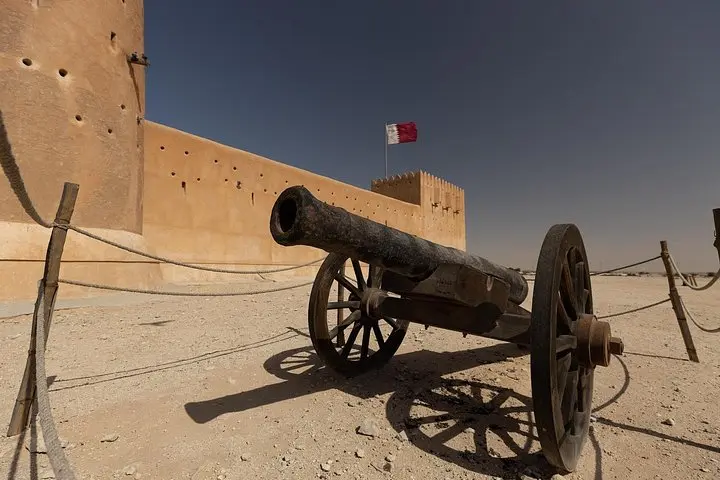
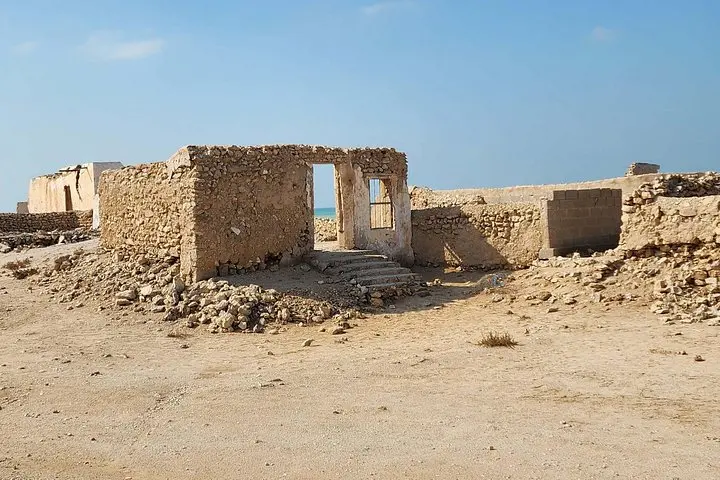
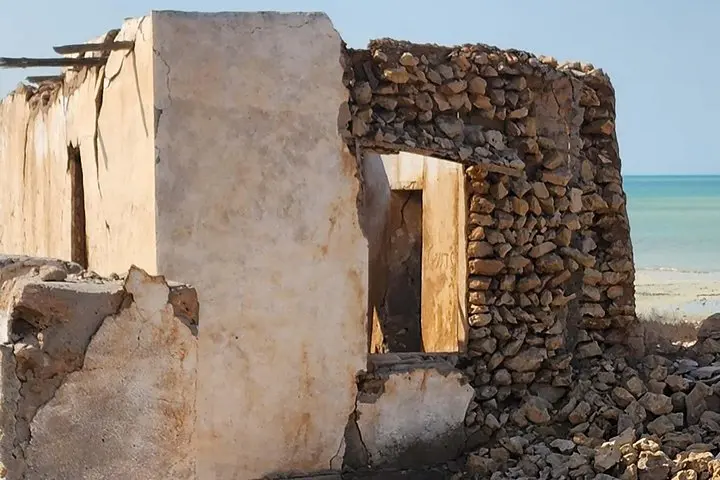
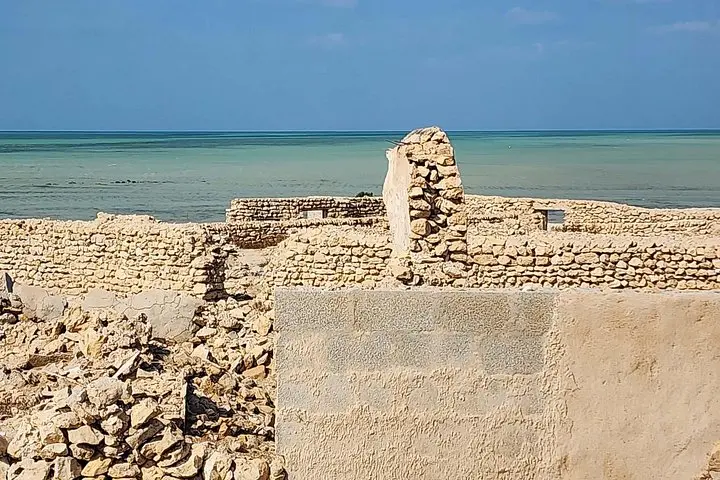
This half-day route stitches natural and human history. Purple Island (Al Thakira) preserves mangrove stands that trap sediment and invite migratory waders; the coastline is underlain by Pleistocene limestone and Holocene sabkha (salt flat) deposits, which shape tidal patterns and the thin soils that support coastal flora. A short drive northwest brings you to Al Zubarah Fort and the nearby archaeological remains of a once-thriving pearling and trading town—an 18th–19th century node on Gulf commerce now protected as a UNESCO World Heritage Site. The abandoned village of Al Jumail offers bleaching coral-stone walls and the hush of places left by modern economic shifts.
Practical points: expect mostly easy walking on sandy or compacted paths with some uneven stone at archaeological sites. Bring sun protection, a refillable water bottle, and binoculars for birds; mornings and late afternoons are best for cooler light and active wildlife. Respect fenced archaeological areas, follow guide instructions, and allow time for short stops—the fort has a small museum and limited facilities. The tour balances quiet nature with compact cultural history, offering a concentrated view of Qatar’s coastal landscape and maritime past.
The private half-day lasts about 4 hours with pickup and drop-off in Doha; exact pickup location is arranged at booking.
Yes—walking is light and mostly on even ground, but participants should be comfortable getting in and out of a vehicle and walking short distances.
Admission is handled on-site; the itinerary notes that admission is not included, so check with the operator before arrival.
Yes—expect shorebirds, waders and possibly marine life in mangrove channels; seasonal migrations increase sightings.
Royal Route tours operates guided outdoor trips and adventures with an emphasis on safety, stewardship, and memorable experiences.
The road north from Doha flattens into salt flats and low dunes as the city gives way to coast and scrub. In an air-conditioned car you cross the fishing districts toward Al Khor, where a working harbor and narrow creeks open into mangrove channels; the roots of Avicennia trees lace the shallows and shorebirds argue over exposed mudflats.
The road north from Doha flattens into salt flats and low dunes as the city gives way to coast and scrub. In an air-conditioned car you cross the fishing districts toward Al Khor, where a working harbor and narrow creeks open into mangrove channels; the roots of Avicennia trees lace the shallows and shorebirds argue over exposed mudflats.
This half-day route stitches natural and human history. Purple Island (Al Thakira) preserves mangrove stands that trap sediment and invite migratory waders; the coastline is underlain by Pleistocene limestone and Holocene sabkha (salt flat) deposits, which shape tidal patterns and the thin soils that support coastal flora. A short drive northwest brings you to Al Zubarah Fort and the nearby archaeological remains of a once-thriving pearling and trading town—an 18th–19th century node on Gulf commerce now protected as a UNESCO World Heritage Site. The abandoned village of Al Jumail offers bleaching coral-stone walls and the hush of places left by modern economic shifts.
Practical points: expect mostly easy walking on sandy or compacted paths with some uneven stone at archaeological sites. Bring sun protection, a refillable water bottle, and binoculars for birds; mornings and late afternoons are best for cooler light and active wildlife. Respect fenced archaeological areas, follow guide instructions, and allow time for short stops—the fort has a small museum and limited facilities. The tour balances quiet nature with compact cultural history, offering a concentrated view of Qatar’s coastal landscape and maritime past.