THE ADVENTURE COLLECTIVE® · Independent discovery and booking for outdoor travel

Drive north from Doha to where mangroves edge the Gulf and a modest fort keeps watch. This half-day private tour pairs coastal ecology at Purple Island and Al Thakira with the archaeology and history of Zubarah Fort.
Drive north from Doha to where mangroves edge the Gulf and a modest fort keeps watch. This half-day private tour pairs coastal ecology at Purple Island and Al Thakira with the archaeology and history of Zubarah Fort.
You step out of the air-conditioned vehicle and the landscape shifts: salt-scrub flats give way to a ribbon of green where tangled mangroves push freshwater into the Gulf, and a low, white fort watches the horizon. The tour threads north from Doha through oilfield suburbs to Al Khor Harbor, where fishing boats rock gently and the shoreline smells of sea and diesel.
Verified experiences and guided adventures in the surrounding area.
Operated by Horizon Tour For Tourism Services · Doha, Doha
You step out of the air-conditioned vehicle and the landscape shifts: salt-scrub flats give way to a ribbon of green where tangled mangroves push freshwater into the Gulf, and a low, white fort watches the horizon. The tour threads north from Doha through oilfield suburbs to Al Khor Harbor, where fishing boats rock gently and the shoreline smells of sea and diesel.
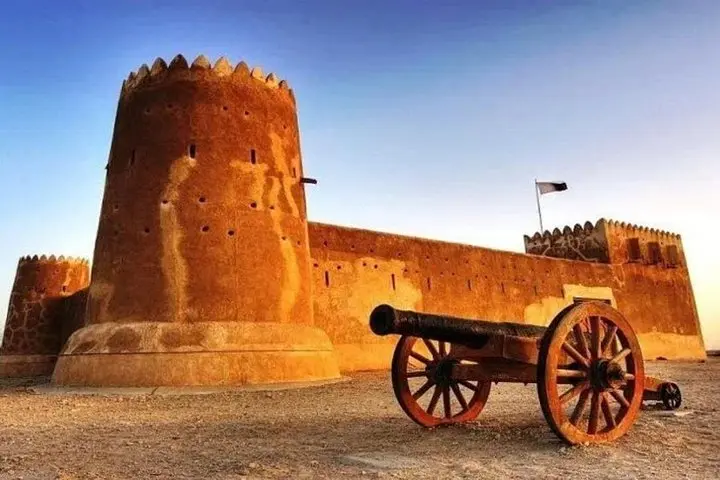
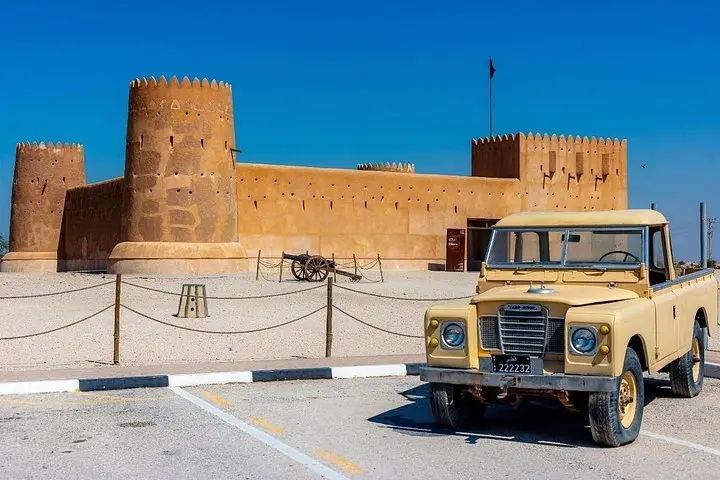
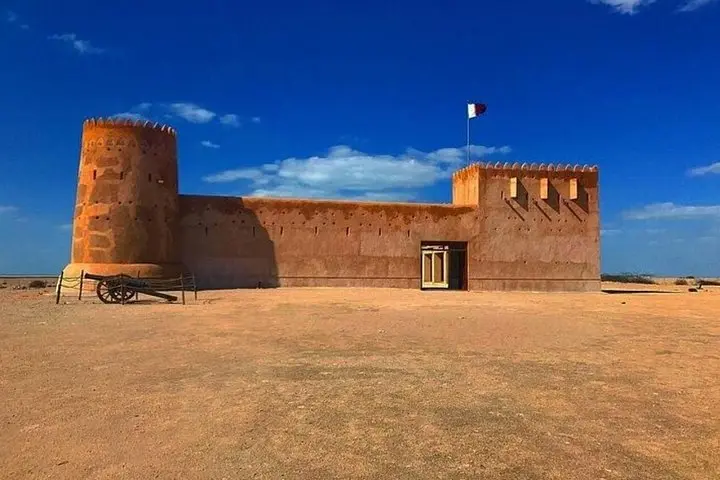
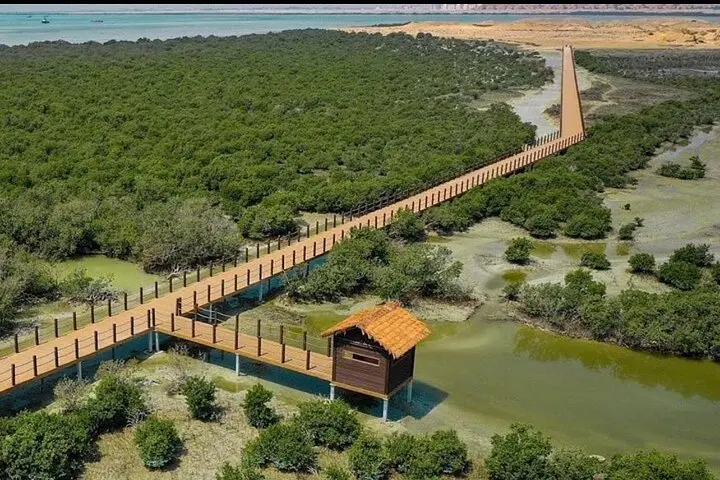
This route is as cultural as it is coastal. Zubarah Fort, raised under Sheikh Abdullah bin Jassim Al Thani in the 1930s, anchors a larger archaeological landscape tied to pearl-diving and trade routes of the 18th–19th centuries. The coastline’s geology—shallow carbonate platforms and tidal flats—creates pockets where mangroves and seagrass flourish, supporting birds and juvenile fish. At Purple Island (Al Khor Island) narrow causeways interrupt the water’s flow and form sheltered channels where herons and terns hunt.
Expect short, flat walks, boardwalks through stands of grey-green mangrove, and easy climbs onto the fort’s ramparts for coastal views. The guide-driven itinerary is private and paced: a few 20–45 minute stops, photo-friendly pullouts, and time to explore the abandoned village of Al Jumail and its weathered walls.
Practical edge: travel in the cool of morning, carry sunscreen and a refillable bottle, and wear sturdy, breathable shoes for sandy or uneven surfaces. Bring binoculars for birding and a light wind layer—sea breezes sharpen by late afternoon. The experience balances cultural history and nearshore ecology, ideal for travelers seeking an accessible slice of northern Qatar beyond the city lights.
Drive times vary with traffic—plan for roughly 1.5–2 hours each way to Zubarah from central Doha, with stops to split the trip.
This specific tour notes admission as not applicable; confirm with your operator whether entrance fees are included before travel.
Infants may sit on laps; infant seats are sometimes available. The itinerary involves vehicle travel and short walks—consider sun and heat management for young children.
Expect coastal birds (herons, ospreys, terns) and small intertidal life; sightings depend on season and tide conditions.
Horizon Tour For Tourism Services operates guided outdoor trips and adventures with an emphasis on safety, stewardship, and memorable experiences.
You step out of the air-conditioned vehicle and the landscape shifts: salt-scrub flats give way to a ribbon of green where tangled mangroves push freshwater into the Gulf, and a low, white fort watches the horizon. The tour threads north from Doha through oilfield suburbs to Al Khor Harbor, where fishing boats rock gently and the shoreline smells of sea and diesel.
You step out of the air-conditioned vehicle and the landscape shifts: salt-scrub flats give way to a ribbon of green where tangled mangroves push freshwater into the Gulf, and a low, white fort watches the horizon. The tour threads north from Doha through oilfield suburbs to Al Khor Harbor, where fishing boats rock gently and the shoreline smells of sea and diesel.
This route is as cultural as it is coastal. Zubarah Fort, raised under Sheikh Abdullah bin Jassim Al Thani in the 1930s, anchors a larger archaeological landscape tied to pearl-diving and trade routes of the 18th–19th centuries. The coastline’s geology—shallow carbonate platforms and tidal flats—creates pockets where mangroves and seagrass flourish, supporting birds and juvenile fish. At Purple Island (Al Khor Island) narrow causeways interrupt the water’s flow and form sheltered channels where herons and terns hunt.
Expect short, flat walks, boardwalks through stands of grey-green mangrove, and easy climbs onto the fort’s ramparts for coastal views. The guide-driven itinerary is private and paced: a few 20–45 minute stops, photo-friendly pullouts, and time to explore the abandoned village of Al Jumail and its weathered walls.
Practical edge: travel in the cool of morning, carry sunscreen and a refillable bottle, and wear sturdy, breathable shoes for sandy or uneven surfaces. Bring binoculars for birding and a light wind layer—sea breezes sharpen by late afternoon. The experience balances cultural history and nearshore ecology, ideal for travelers seeking an accessible slice of northern Qatar beyond the city lights.