THE ADVENTURE COLLECTIVE® · Independent discovery and booking for outdoor travel

Travel by train across the Flow Country to Forsinard, stand at Dunnet Head — the UK mainland’s northernmost point — and explore Thurso with a local guide. This three-day small-group tour pairs peatland boardwalks, coastal rambling and cultural insights with practical transport links.
Travel by train across the Flow Country to Forsinard, stand at Dunnet Head — the UK mainland’s northernmost point — and explore Thurso with a local guide. This three-day small-group tour pairs peatland boardwalks, coastal rambling and cultural insights with practical transport links.
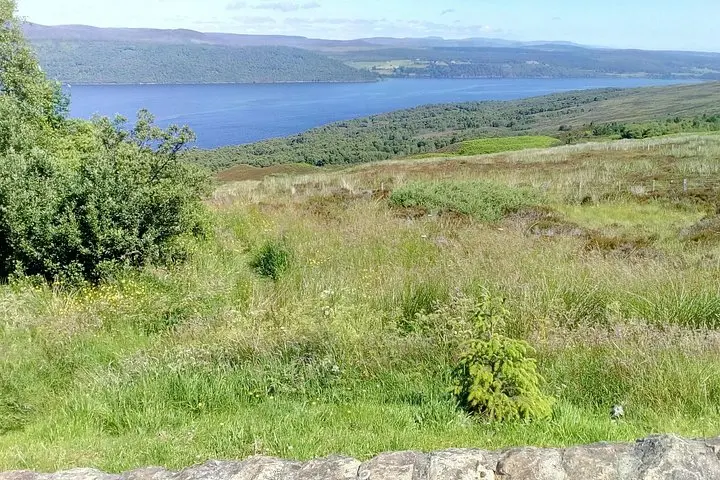
The train arrives with a slow, low whistle and the peatlands open like a vast, breathing map — black water, hummocks and miles of bog stretching to the horizon. You step off at Forsinard with the wind pressing salt and sphagnum against your face; the Flow Country pushes back, a quiet world that stores centuries of carbon and hosts curlews that insist on their presence.
Verified experiences and guided adventures in the surrounding area.
Operated by Dunnet Head · Thurso, Highland
The train arrives with a slow, low whistle and the peatlands open like a vast, breathing map — black water, hummocks and miles of bog stretching to the horizon. You step off at Forsinard with the wind pressing salt and sphagnum against your face; the Flow Country pushes back, a quiet world that stores centuries of carbon and hosts curlews that insist on their presence.
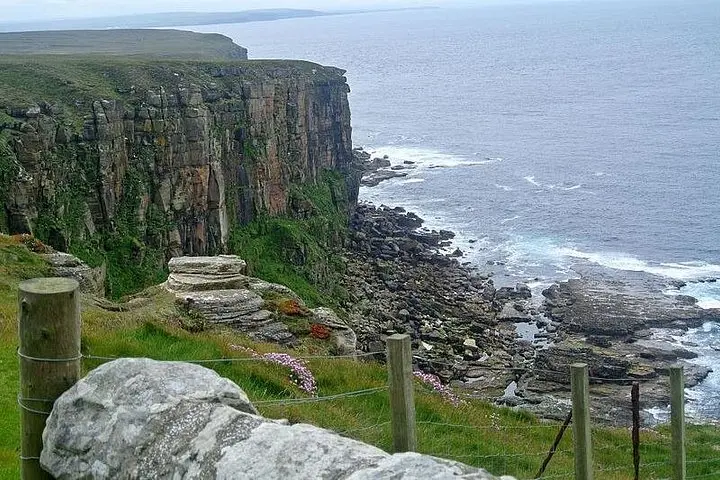
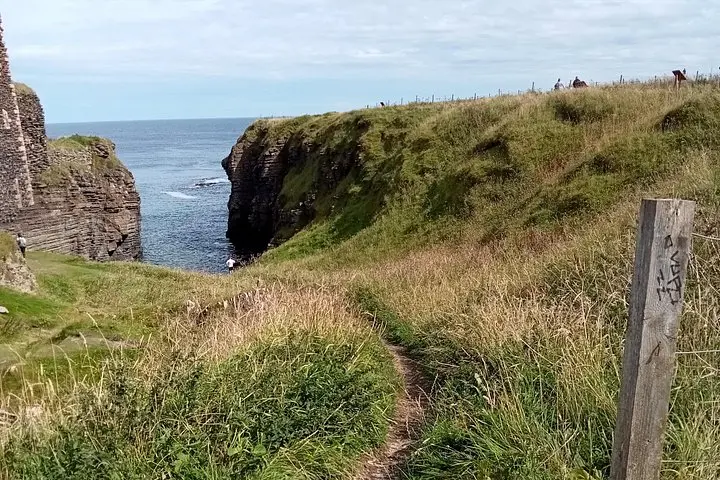
Over three days this small-group tour links rail journeys, short walks and coastal headlands: boardwalks through Forsinard’s RSPB reserve, a ramble to Dunnet Head — the UK mainland’s northernmost point — and a guided walk through Thurso’s streets and shoreline. Geology is plain here: post-glacial sands and ancient peat meet the eroded basalt and Old Red Sandstone cliffs that throw seabirds into thermals.
Culturally, the far north carries Norse placenames and a crofting history; local cafes serve simple, fresh fish and oatcakes, and guides often relay stories of fishing communities and wartime radar stations.
Practical edge: expect strong winds, muddy boardwalks and variable public-transport connections. The walking is mostly low- to mid-intensity — short climbs and cliff-edge paths — but the weather amplifies effort. Bring waterproof layers, sturdy boots, and a charged phone for photos and schedules. The tour suits travelers with moderate fitness; it’s not recommended for those with serious spinal or cardiovascular conditions. Timed lunches and small groups mean space to move and time to ask questions — and the train legs offer calm windows to watch the land scroll by.
The tour is moderate: most walking is short (1–4 km) over uneven ground and boardwalks; participants should be comfortable on coastal paths and short climbs.
The listing shows lunches included for the tour; some stops offer optional local lunches—confirm specifics when booking.
Yes—this itinerary relies on trains and local transport; guides coordinate connections but it’s wise to verify timetables for your travel days.
Not recommended for travelers with significant spinal or cardiovascular issues; some sites have uneven terrain and boardwalks that may be difficult for limited mobility.
Dunnet Head operates guided outdoor trips and adventures with an emphasis on safety, stewardship, and memorable experiences.

The train arrives with a slow, low whistle and the peatlands open like a vast, breathing map — black water, hummocks and miles of bog stretching to the horizon. You step off at Forsinard with the wind pressing salt and sphagnum against your face; the Flow Country pushes back, a quiet world that stores centuries of carbon and hosts curlews that insist on their presence.
The train arrives with a slow, low whistle and the peatlands open like a vast, breathing map — black water, hummocks and miles of bog stretching to the horizon. You step off at Forsinard with the wind pressing salt and sphagnum against your face; the Flow Country pushes back, a quiet world that stores centuries of carbon and hosts curlews that insist on their presence.
Over three days this small-group tour links rail journeys, short walks and coastal headlands: boardwalks through Forsinard’s RSPB reserve, a ramble to Dunnet Head — the UK mainland’s northernmost point — and a guided walk through Thurso’s streets and shoreline. Geology is plain here: post-glacial sands and ancient peat meet the eroded basalt and Old Red Sandstone cliffs that throw seabirds into thermals.
Culturally, the far north carries Norse placenames and a crofting history; local cafes serve simple, fresh fish and oatcakes, and guides often relay stories of fishing communities and wartime radar stations.
Practical edge: expect strong winds, muddy boardwalks and variable public-transport connections. The walking is mostly low- to mid-intensity — short climbs and cliff-edge paths — but the weather amplifies effort. Bring waterproof layers, sturdy boots, and a charged phone for photos and schedules. The tour suits travelers with moderate fitness; it’s not recommended for those with serious spinal or cardiovascular conditions. Timed lunches and small groups mean space to move and time to ask questions — and the train legs offer calm windows to watch the land scroll by.