THE ADVENTURE COLLECTIVE® · Independent discovery and booking for outdoor travel

Witness the wildebeest migration from a budget camp as herds push through the northern Serengeti toward the Mara River. This four-day, vehicle-based safari delivers river crossings, predator encounters, and simple nights under the stars—timing and patience make the trip.
Witness the wildebeest migration from a budget camp as herds push through the northern Serengeti toward the Mara River. This four-day, vehicle-based safari delivers river crossings, predator encounters, and simple nights under the stars—timing and patience make the trip.
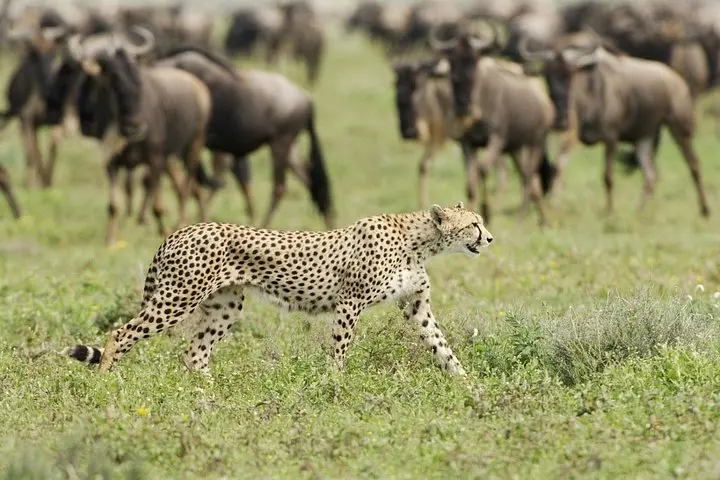
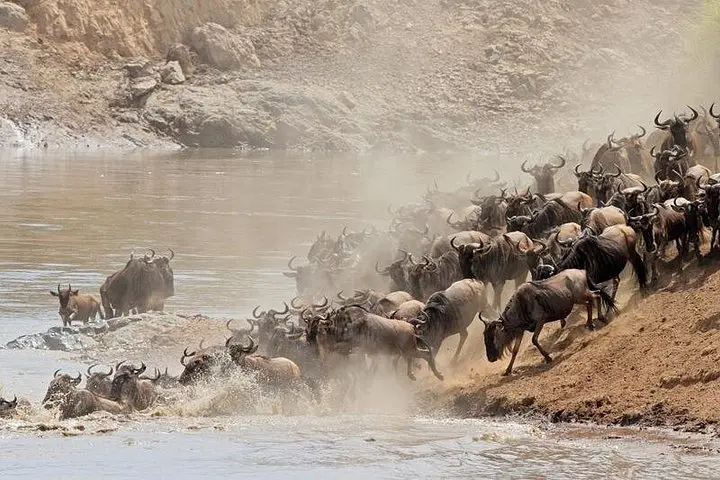
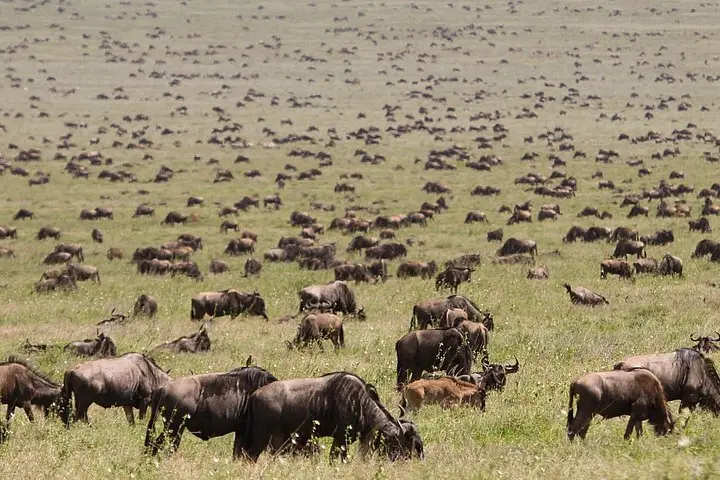
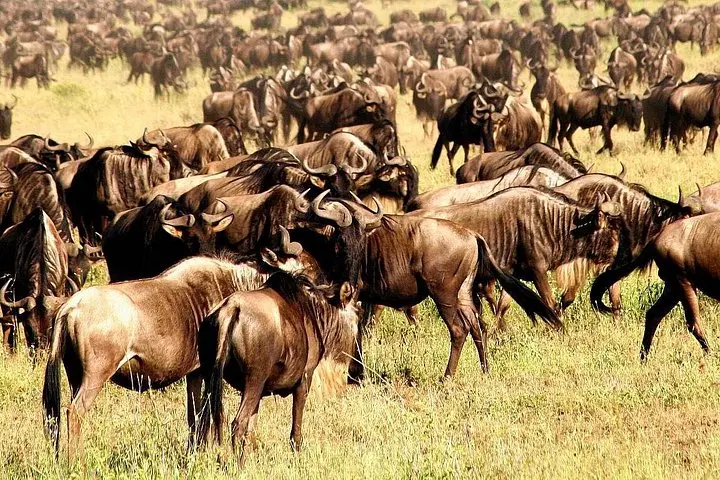
Heat of late morning presses through the canvas as a diesel Land Cruiser hums across ochre plains, and a wedge of black-and-white wildebeest edges toward a braided strip of river below. The northern Serengeti—between Lobo and the Wagakuria stretch along the Mara—offers close-up lessons in migration: vast herds, sudden river crossing dramas, and nights slept in budget camps under an enormous African sky.
Verified experiences and guided adventures in the surrounding area.
Operated by Royal Tiger Tours and Safaris · Serengeti National Park, Mara Region
Heat of late morning presses through the canvas as a diesel Land Cruiser hums across ochre plains, and a wedge of black-and-white wildebeest edges toward a braided strip of river below. The northern Serengeti—between Lobo and the Wagakuria stretch along the Mara—offers close-up lessons in migration: vast herds, sudden river crossing dramas, and nights slept in budget camps under an enormous African sky.
This movement of life has run for centuries, timed to rains that green the short-grass plains and push gnus north into Kenya’s Masai Mara. The region’s geology is layered volcanic highlands and eroded plains; rivers like the Mara carve seasonal channels that dictate where herds concentrate and predators hunt. Maasai culture threads the modern landscape—many local communities balance livestock grazing and tourism income near park boundaries.
On a four-day budget camping safari expect long game drives by 4x4, simple tented campsites, communal meals, and early starts to catch river crossings at dawn or dusk. Walks in this itinerary are limited; the experience is vehicle-based but involves short, guided spot-and-stop outings. Pack for dust, sun, and variable nights—lightweight layers, sturdy walking shoes, a refillable water bottle, and insect protection. Respect park regulations: keep distance from wildlife, follow guides’ instructions, and avoid single-person excursions after dark.
Best months are July–October for northern crossings; rain alters herd patterns outside these windows. With patience and timing, the Serengeti’s migration delivers raw, cinematic wildlife scenes without luxury price tags. Bring binoculars, a good camera, and be prepared for long, dusty road travel.
No—this is a budget camping safari with staff who set up tents and cook; basic comfort with communal campsite living is helpful.
Yes—daily game drives are the primary activity; specific times depend on herd movements and guide recommendations.
Routine vaccinations and malaria prophylaxis are advised; check current health guidance and consult a travel clinic before departure.
Children can join but policies vary—infants may need to sit on laps during transfers and some camps have age restrictions; check with the operator.
Royal Tiger Tours and Safaris operates guided outdoor trips and adventures with an emphasis on safety, stewardship, and memorable experiences.
Heat of late morning presses through the canvas as a diesel Land Cruiser hums across ochre plains, and a wedge of black-and-white wildebeest edges toward a braided strip of river below. The northern Serengeti—between Lobo and the Wagakuria stretch along the Mara—offers close-up lessons in migration: vast herds, sudden river crossing dramas, and nights slept in budget camps under an enormous African sky.
Heat of late morning presses through the canvas as a diesel Land Cruiser hums across ochre plains, and a wedge of black-and-white wildebeest edges toward a braided strip of river below. The northern Serengeti—between Lobo and the Wagakuria stretch along the Mara—offers close-up lessons in migration: vast herds, sudden river crossing dramas, and nights slept in budget camps under an enormous African sky.
This movement of life has run for centuries, timed to rains that green the short-grass plains and push gnus north into Kenya’s Masai Mara. The region’s geology is layered volcanic highlands and eroded plains; rivers like the Mara carve seasonal channels that dictate where herds concentrate and predators hunt. Maasai culture threads the modern landscape—many local communities balance livestock grazing and tourism income near park boundaries.
On a four-day budget camping safari expect long game drives by 4x4, simple tented campsites, communal meals, and early starts to catch river crossings at dawn or dusk. Walks in this itinerary are limited; the experience is vehicle-based but involves short, guided spot-and-stop outings. Pack for dust, sun, and variable nights—lightweight layers, sturdy walking shoes, a refillable water bottle, and insect protection. Respect park regulations: keep distance from wildlife, follow guides’ instructions, and avoid single-person excursions after dark.
Best months are July–October for northern crossings; rain alters herd patterns outside these windows. With patience and timing, the Serengeti’s migration delivers raw, cinematic wildlife scenes without luxury price tags. Bring binoculars, a good camera, and be prepared for long, dusty road travel.