THE ADVENTURE COLLECTIVE® · Independent discovery and booking for outdoor travel

Drive old caravan routes and visit millennia-old settlements on this four-day northern Silk Road tour. See Sarazm, Penjakent, Istaravshan, Khujand and the Kayrakkum reservoir while learning local history and crafts.
Drive old caravan routes and visit millennia-old settlements on this four-day northern Silk Road tour. See Sarazm, Penjakent, Istaravshan, Khujand and the Kayrakkum reservoir while learning local history and crafts.
A warm morning in Dushanbe dissolves into alpine light as the minivan climbs through the Fann and Hisor ranges, opening onto the broad Zeravshan valley where ancient waystations still mark the route between Samarkand and Kashgar.
Verified experiences and guided adventures in the surrounding area.
Operated by Bunyod-Tour · Khujand, Sughd
A warm morning in Dushanbe dissolves into alpine light as the minivan climbs through the Fann and Hisor ranges, opening onto the broad Zeravshan valley where ancient waystations still mark the route between Samarkand and Kashgar.
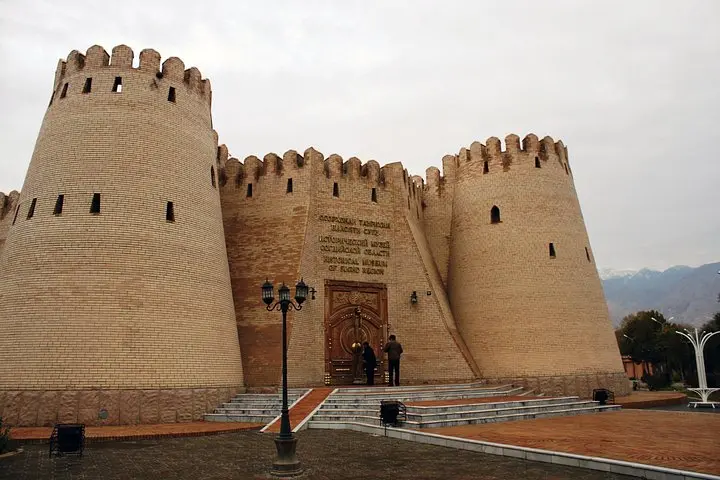
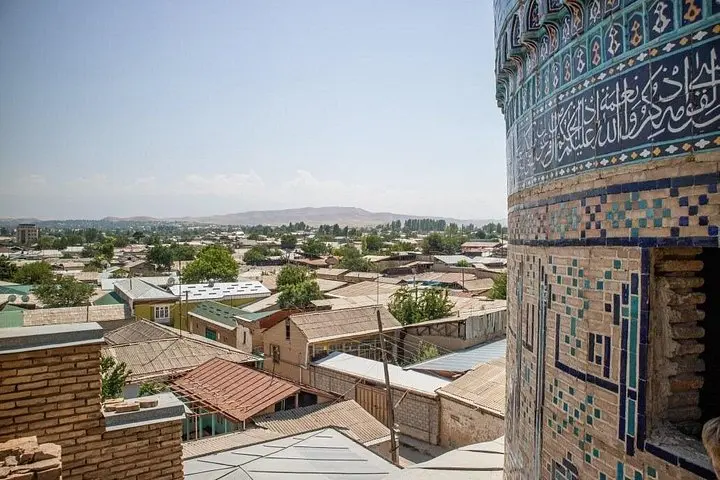
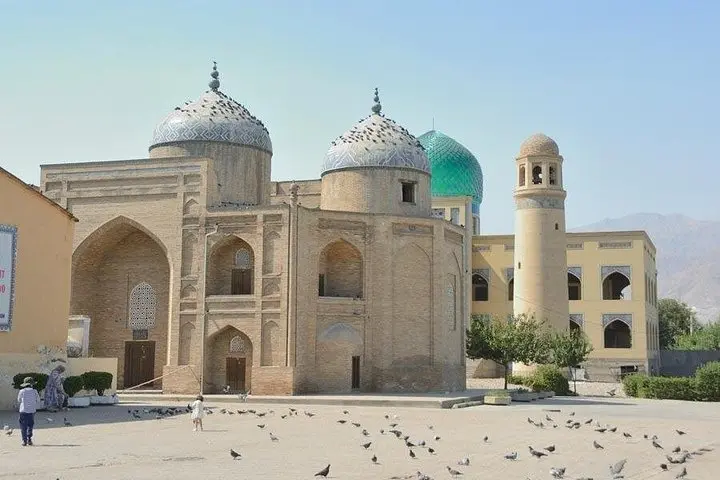
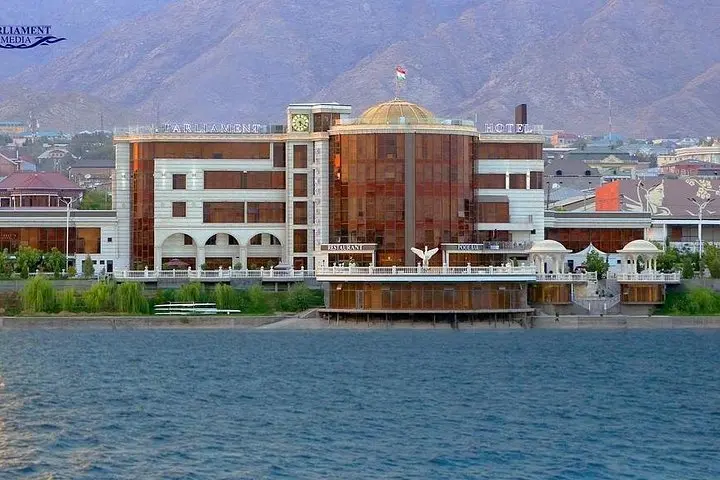
Over four days the northern branch of the Silk Road unfolds as a sequence of living sites: Sarazm’s fourth–second millennium BC mound, the modest hilltop Rudaki mausoleum, the craft-lined lanes of Istaravshan and the riverfront sweep of Khujand. Geologically the landscape shifts from folded sedimentary ridges of the Fann foothills to alluvial plains where the Kayrakkum (Tajik Sea) reservoir spreads across the Fergana Basin. Culturally, this corridor preserves Sogdian mercantile traditions, Persianate poetry and Soviet-era civic architecture — each era visible in stone, market stalls and museum displays.
Expect mostly road travel with short walks through archaeological complexes, crowded bazaars and mosque courtyards; Panjakent sits around 900 m above sea level, while driving routes use passes that can be narrow and steep. Practicalities: bring local somoni or cash for small purchases, wear closed shoes for ruins and modest clothing for religious sites. Hydrate on long drives and plan for early starts to avoid midday heat in summer.
This trip suits travelers who want concentrated culture, short hikes and coastal wind at the Tajik Sea rather than technical mountaineering. With maps, sensible footwear and an attentive guide, the northern Silk Road reads clearly — a route of merchants, poets and market voices that still shapes daily life in northern Tajikistan.
Visa requirements depend on nationality; many travelers must obtain a visa in advance or use e-visa systems — check with Tajikistan’s consulate before travel.
Main roads between Dushanbe, Khujand and Penjakent are paved but can be narrow or bumpy; expect mountain driving with occasional unpaved sections near rural sites.
Most stops sit below 1,200 m; altitude sickness is uncommon on this itinerary, but bring basic meds and hydrate if you are sensitive to elevation changes.
Yes — the reservoir permits swimming and boating at Bahoriston and other spots; check local conditions and bring swimwear and towel if you plan to enter the water.
Bunyod-Tour operates guided outdoor trips and adventures with an emphasis on safety, stewardship, and memorable experiences.
A warm morning in Dushanbe dissolves into alpine light as the minivan climbs through the Fann and Hisor ranges, opening onto the broad Zeravshan valley where ancient waystations still mark the route between Samarkand and Kashgar.
A warm morning in Dushanbe dissolves into alpine light as the minivan climbs through the Fann and Hisor ranges, opening onto the broad Zeravshan valley where ancient waystations still mark the route between Samarkand and Kashgar.
Over four days the northern branch of the Silk Road unfolds as a sequence of living sites: Sarazm’s fourth–second millennium BC mound, the modest hilltop Rudaki mausoleum, the craft-lined lanes of Istaravshan and the riverfront sweep of Khujand. Geologically the landscape shifts from folded sedimentary ridges of the Fann foothills to alluvial plains where the Kayrakkum (Tajik Sea) reservoir spreads across the Fergana Basin. Culturally, this corridor preserves Sogdian mercantile traditions, Persianate poetry and Soviet-era civic architecture — each era visible in stone, market stalls and museum displays.
Expect mostly road travel with short walks through archaeological complexes, crowded bazaars and mosque courtyards; Panjakent sits around 900 m above sea level, while driving routes use passes that can be narrow and steep. Practicalities: bring local somoni or cash for small purchases, wear closed shoes for ruins and modest clothing for religious sites. Hydrate on long drives and plan for early starts to avoid midday heat in summer.
This trip suits travelers who want concentrated culture, short hikes and coastal wind at the Tajik Sea rather than technical mountaineering. With maps, sensible footwear and an attentive guide, the northern Silk Road reads clearly — a route of merchants, poets and market voices that still shapes daily life in northern Tajikistan.