THE ADVENTURE COLLECTIVE® · Independent discovery and booking for outdoor travel

Trace migratory routes and endemic specialties across Tarangire, Lake Manyara, Ngorongoro Crater and the Serengeti on a seven-day birding-focused safari. Expect expert-guided drives, diverse habitats, and close encounters with both feathered rarities and classic East African megafauna.
Trace migratory routes and endemic specialties across Tarangire, Lake Manyara, Ngorongoro Crater and the Serengeti on a seven-day birding-focused safari. Expect expert-guided drives, diverse habitats, and close encounters with both feathered rarities and classic East African megafauna.
Dawn breaks over broad acacia silhouettes as the Land Cruiser rolls onto a track—larks and sunbirds already marking territory in the cooling air. On this seven-day loop from Arusha you move through distinct ecosystems: the baobab-lined floodplains of Tarangire, the alkaline shimmer of Lake Manyara, the crater rim’s misty highlands, and the sweeping grasslands of the Serengeti.
Verified experiences and guided adventures in the surrounding area.
Operated by Herbivore African Expeditions · Arusha, Arusha Region
Dawn breaks over broad acacia silhouettes as the Land Cruiser rolls onto a track—larks and sunbirds already marking territory in the cooling air. On this seven-day loop from Arusha you move through distinct ecosystems: the baobab-lined floodplains of Tarangire, the alkaline shimmer of Lake Manyara, the crater rim’s misty highlands, and the sweeping grasslands of the Serengeti.
Geology and human history are visible at a glance. Ngorongoro is a collapsed volcanic caldera roughly 600 metres deep, its rim forming a natural amphitheater for wetlands and grasslands. The Serengeti’s flat plains are part of an ancient drainage system that fuels the great migrations; pastoral Maasai communities have grazed livestock here for generations and remain an active cultural presence along travel routes.
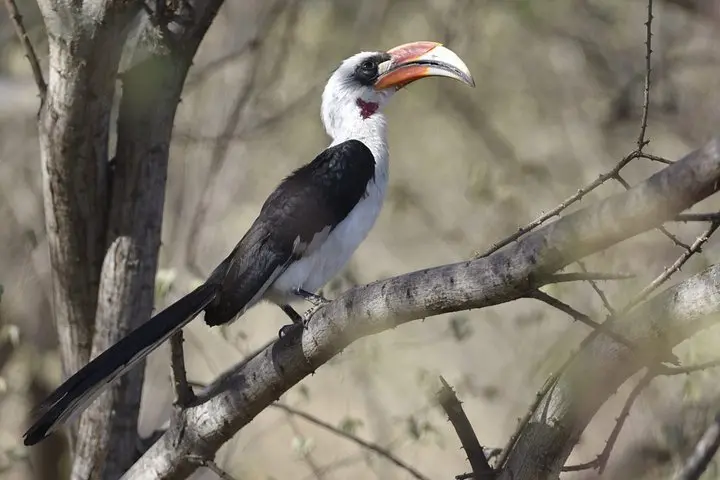
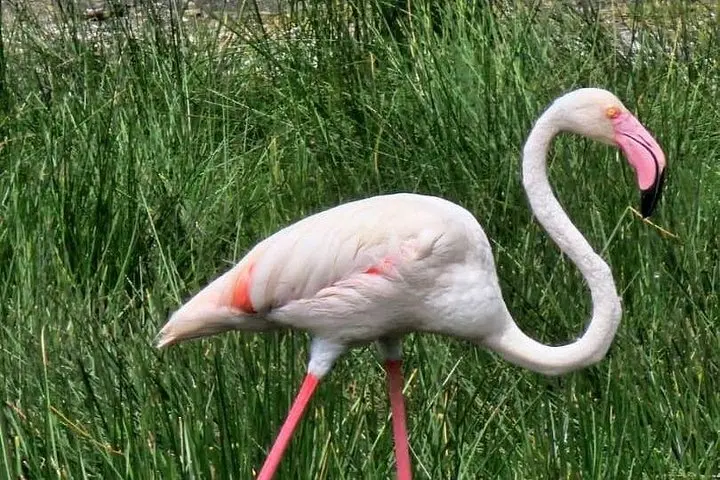
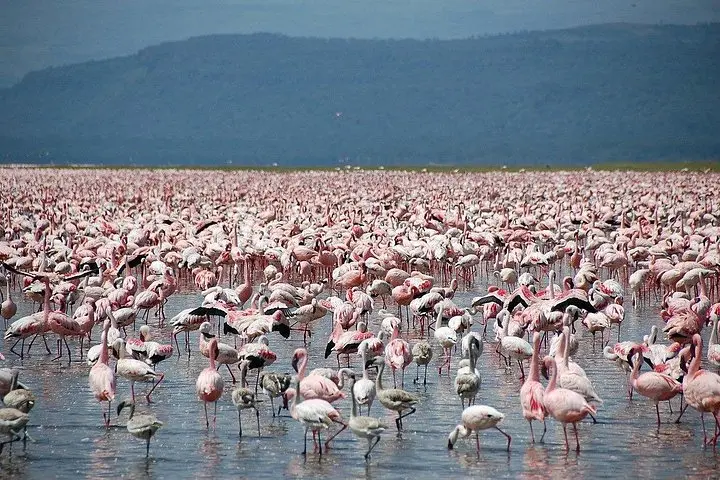
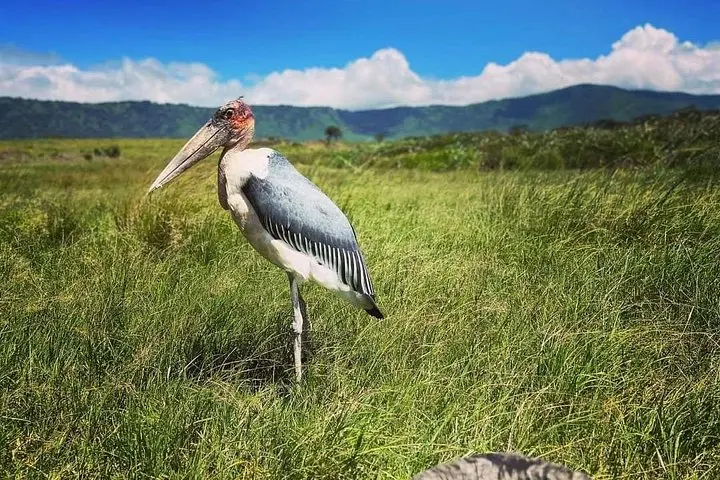
Birdlife changes with each habitat—Tarangire’s woodlands host more than 500 species, Lake Manyara attracts flocks of flamingos, and Momella Lakes in Arusha offer forest and wetland species against Mt. Meru’s backdrop. Expect guided drives and short walks at dawn and dusk; expert guides point out subtle field marks and prime photo angles.
Practical notes: game drives are mostly on graded dirt tracks, with long driving stretches between parks (Arusha–Tarangire ≈ 2–3 hours). Bring good optics, layered clothing for cool crater mornings, malaria prophylaxis, and sun protection. Start drives early for the best light and bird activity; carry water and a daypack for quick hikes. This itinerary balances focused birding with classic safari moments—prepare to listen as much as to look.
No—guided drives are led by experienced guides who help identify species, though basic familiarity with common field marks improves the experience.
Yes—many areas are malarious. Consult a travel clinic for recommended prophylaxis and use mosquito protection at lodges.
Expect multi-hour drives; Arusha to Tarangire is roughly 2–3 hours by road, and cross-country transfers to Serengeti may take longer depending on route and park gate.
Yes—the itinerary combines focused birding with classic safari game drives where you can expect elephants, lions, and other large mammals in addition to avifauna.
Herbivore African Expeditions operates guided outdoor trips and adventures with an emphasis on safety, stewardship, and memorable experiences.
Dawn breaks over broad acacia silhouettes as the Land Cruiser rolls onto a track—larks and sunbirds already marking territory in the cooling air. On this seven-day loop from Arusha you move through distinct ecosystems: the baobab-lined floodplains of Tarangire, the alkaline shimmer of Lake Manyara, the crater rim’s misty highlands, and the sweeping grasslands of the Serengeti.
Dawn breaks over broad acacia silhouettes as the Land Cruiser rolls onto a track—larks and sunbirds already marking territory in the cooling air. On this seven-day loop from Arusha you move through distinct ecosystems: the baobab-lined floodplains of Tarangire, the alkaline shimmer of Lake Manyara, the crater rim’s misty highlands, and the sweeping grasslands of the Serengeti.
Geology and human history are visible at a glance. Ngorongoro is a collapsed volcanic caldera roughly 600 metres deep, its rim forming a natural amphitheater for wetlands and grasslands. The Serengeti’s flat plains are part of an ancient drainage system that fuels the great migrations; pastoral Maasai communities have grazed livestock here for generations and remain an active cultural presence along travel routes.
Birdlife changes with each habitat—Tarangire’s woodlands host more than 500 species, Lake Manyara attracts flocks of flamingos, and Momella Lakes in Arusha offer forest and wetland species against Mt. Meru’s backdrop. Expect guided drives and short walks at dawn and dusk; expert guides point out subtle field marks and prime photo angles.
Practical notes: game drives are mostly on graded dirt tracks, with long driving stretches between parks (Arusha–Tarangire ≈ 2–3 hours). Bring good optics, layered clothing for cool crater mornings, malaria prophylaxis, and sun protection. Start drives early for the best light and bird activity; carry water and a daypack for quick hikes. This itinerary balances focused birding with classic safari moments—prepare to listen as much as to look.