THE ADVENTURE COLLECTIVE® · Independent discovery and booking for outdoor travel

A two-hour hydrofoil tour along La Palma’s rugged northwest coast that combines sea caves, a swim at Playa de la Veta and regular chances to see dolphins, whales and turtles. Perfect for travelers who want geology, wildlife and an easy, coastal boat outing.
A two-hour hydrofoil tour along La Palma’s rugged northwest coast that combines sea caves, a swim at Playa de la Veta and regular chances to see dolphins, whales and turtles. Perfect for travelers who want geology, wildlife and an easy, coastal boat outing.
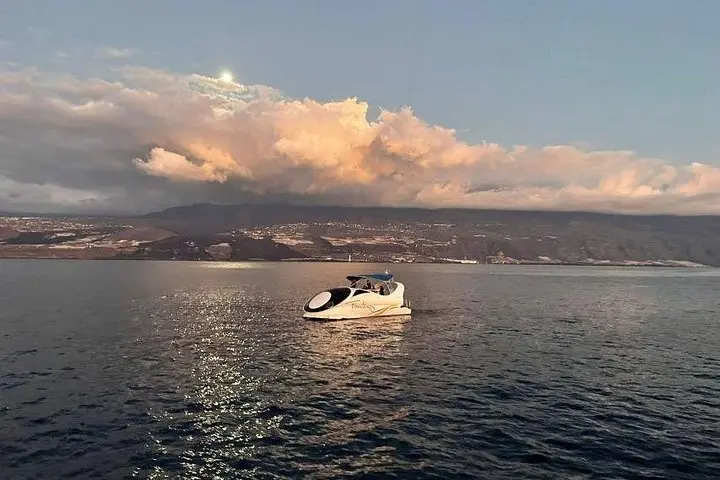
The hydrofoil slips away from the jetty and the cliffs of La Palma rise like a dark, folded wall—basalt faces scored by lava flows and sea-battered terraces. Wind picks up, the bow cleaves spray that dares the sunlight, and the first caves open like doorways cut into two million years of volcanic history.
Verified experiences and guided adventures in the surrounding area.
Operated by Charter María, S.L. · Tijarafe, La Palma
The hydrofoil slips away from the jetty and the cliffs of La Palma rise like a dark, folded wall—basalt faces scored by lava flows and sea-battered terraces. Wind picks up, the bow cleaves spray that dares the sunlight, and the first caves open like doorways cut into two million years of volcanic history.
Along the northwest shore, the itinerary threads past Cueva Bonita and Cueva Colorada, porís (rocky coves) used by generations of fishermen, and the small sand of Playa de la Veta where the boat stops for a short, refreshing swim. Geology here is immediate: recent flows, peperino cliffs and submerged lava shelves create underwater slopes where turtles and cetaceans find food and shelter.
The coastal villages of Tijarafe and Puntagorda still show working harbors, terraces of banana and avocado, and an island culture shaped by wind and isolation. Guides point out carbonate formations, seabird rookeries and the lava delta formed by recent eruptions that redefined parts of the shoreline.
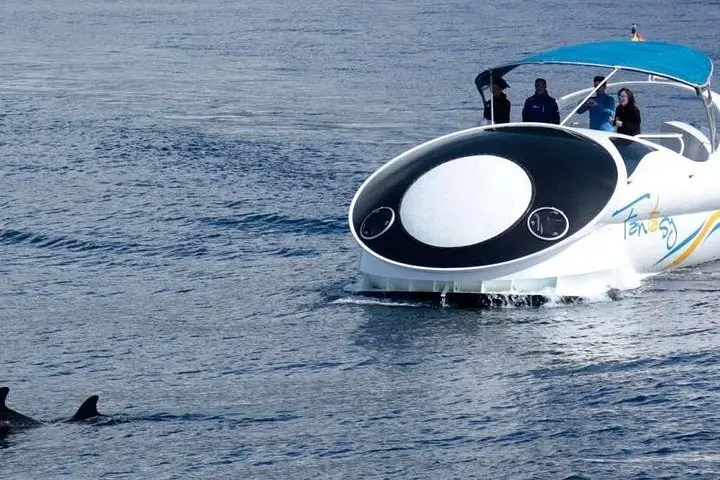
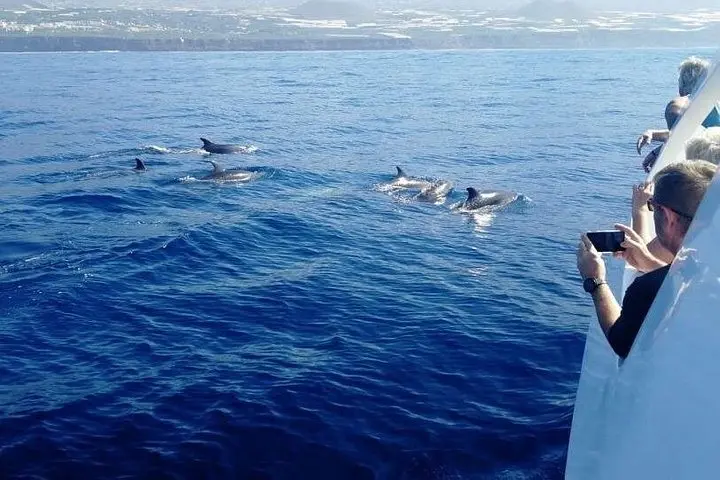
Practical notes: the tour runs about two hours aboard a hydrofoil with underwater windows—bring layers against sea spray, sun protection, and sea-sickness remedies if you’re prone. Wildlife sightings (dolphins, whales, turtles) are common but never guaranteed; mornings are usually calmer for animal activity and for entering caves. Expect easy physical demands, brief swims, and flexible routing based on weather and sightings.
This trip balances up-close coastal geology and a strong chance to meet marine life—an accessible, sensory way to read La Palma’s long volcanic story from the sea.
No—dolphins and whales are commonly seen but sightings depend on season, sea state and animal movements.
Yes; the trip is described as physically easy and includes lifejackets, but check age restrictions with the operator for very young children.
The boat may attempt to approach cave mouths when conditions permit, but full entry depends on tide, swell and safety considerations.
Full refunds are available if you cancel at least 24 hours before departure; confirm specific terms at booking.
Charter María, S.L. operates guided outdoor trips and adventures with an emphasis on safety, stewardship, and memorable experiences.
The hydrofoil slips away from the jetty and the cliffs of La Palma rise like a dark, folded wall—basalt faces scored by lava flows and sea-battered terraces. Wind picks up, the bow cleaves spray that dares the sunlight, and the first caves open like doorways cut into two million years of volcanic history.
The hydrofoil slips away from the jetty and the cliffs of La Palma rise like a dark, folded wall—basalt faces scored by lava flows and sea-battered terraces. Wind picks up, the bow cleaves spray that dares the sunlight, and the first caves open like doorways cut into two million years of volcanic history.
Along the northwest shore, the itinerary threads past Cueva Bonita and Cueva Colorada, porís (rocky coves) used by generations of fishermen, and the small sand of Playa de la Veta where the boat stops for a short, refreshing swim. Geology here is immediate: recent flows, peperino cliffs and submerged lava shelves create underwater slopes where turtles and cetaceans find food and shelter.
The coastal villages of Tijarafe and Puntagorda still show working harbors, terraces of banana and avocado, and an island culture shaped by wind and isolation. Guides point out carbonate formations, seabird rookeries and the lava delta formed by recent eruptions that redefined parts of the shoreline.
Practical notes: the tour runs about two hours aboard a hydrofoil with underwater windows—bring layers against sea spray, sun protection, and sea-sickness remedies if you’re prone. Wildlife sightings (dolphins, whales, turtles) are common but never guaranteed; mornings are usually calmer for animal activity and for entering caves. Expect easy physical demands, brief swims, and flexible routing based on weather and sightings.
This trip balances up-close coastal geology and a strong chance to meet marine life—an accessible, sensory way to read La Palma’s long volcanic story from the sea.