THE ADVENTURE COLLECTIVE® · Independent discovery and booking for outdoor travel

An 11‑day motorbike circuit from Hanoi through Mai Chau, Sapa, Ha Giang and Ba Be Lake—where high mountain passes, weekly ethnic markets and homestays meet long days of technical riding.
An 11‑day motorbike circuit from Hanoi through Mai Chau, Sapa, Ha Giang and Ba Be Lake—where high mountain passes, weekly ethnic markets and homestays meet long days of technical riding.
The engine thrums to life in Hanoi’s Old Quarter before the city’s humidity peels away and the road narrows. Within hours the rice plains flatten into limestone outcrops, and the rider is negotiating switchbacks that climb into mist-slicked forest. On day one the group descends into Mai Chau’s hidden valley, where a stilt house waits like an invitation: wooden steps creak, tea steams, and evening conversations drift through the rafters.
Verified experiences and guided adventures in the surrounding area.
Operated by Mr Linh's Adventures · Hanoi, Hanoi
The engine thrums to life in Hanoi’s Old Quarter before the city’s humidity peels away and the road narrows. Within hours the rice plains flatten into limestone outcrops, and the rider is negotiating switchbacks that climb into mist-slicked forest. On day one the group descends into Mai Chau’s hidden valley, where a stilt house waits like an invitation: wooden steps creak, tea steams, and evening conversations drift through the rafters.
This 11-day loop stitches Vietnam’s northern highlands into a single ribbon of road—160–220 km days that thread the Hoang Lien Son range, tea terraces and the notorious Tram Ton Pass (near 1,900 m). The route follows historic trade arteries used by Black Thai, H'mong and Tay communities; you pass markets that still open on a weekly rhythm and the stately Vuong Palace, a colonial-era H'mong manor that reads like a local footnote to French influence.
Geology here is relentless: karst towers, river-cut gorges and terrace-carved slopes shaped by millennia of water and human labor. Ma Pi Leng Pass offers a rare confrontation with scale—the Nho Que River cuts a canyon so deep it seems to dare riders to look away. Ba Be Lake, the trip’s quiet finale, is the largest freshwater lake in Vietnam and a calm counterpoint to the high-country exposure, where limestone cliffs lean toward water and waterfalls provide ceremony.
Culture is immediate and tactile. Markets are where language and barter meet—bright textiles folded beside pork and pickled vegetables. Homestays in Pom Coong and Tay stilt houses keep travel human-sized: meals are shared, stories exchanged, and the rhythm of sunrise dictates the day.
Practical planning matters. Daily distances average 120–180 km over winding mountain roads—expect long days and variable surfaces. The package supplies Honda XR150 bikes, helmets, jackets and rain gear; still, bring layered clothing for temperature swings between lowland heat and near-freezing mountain mornings. Carry water, spare cash for market purchases, and confirmation of border permits if you plan side trips to frontier areas.
Ride conservatively on descents, respect local traffic and livestock on roads, and budget time for photo stops at Tram Ton, Ma Pi Leng and the Quang Ba viewpoint. Ba Be’s boat trip on day ten lets the group trade throttle for paddle: an easy way to rest tired shoulders and float through karst scenery.
This is a trip for riders who want more than postcard views—a route that combines technical riding, cultural encounters and sustained landscape variety. It rewards patience: slow down on the markets, talk to the hosts, and let the mountains set the pace.
Helmets are provided, but many riders prefer to bring a well‑fitting helmet for comfort and hygiene.
Roads vary from paved highway to narrow winding passes; expect technical sections that require confident low-speed handling and steady braking.
Yes—this tour is best for riders comfortable with daily long-distance riding and mountain switchbacks.
Motorbike, petrol, jackets, helmets, rain gear, accommodation, most meals listed, guide, some entrance fees and boat trip at Ba Be are included.
This particular product provides one bike per person; non-riders should contact the operator for alternative logistics or passenger options.
The operator handles permits for frontier areas; riders still need to follow guide instructions and carry passport photocopies as requested.
Mr Linh's Adventures operates guided outdoor trips and adventures with an emphasis on safety, stewardship, and memorable experiences.
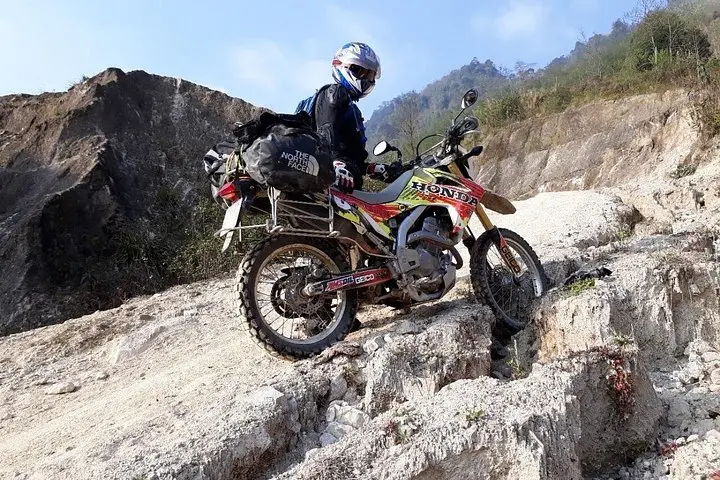
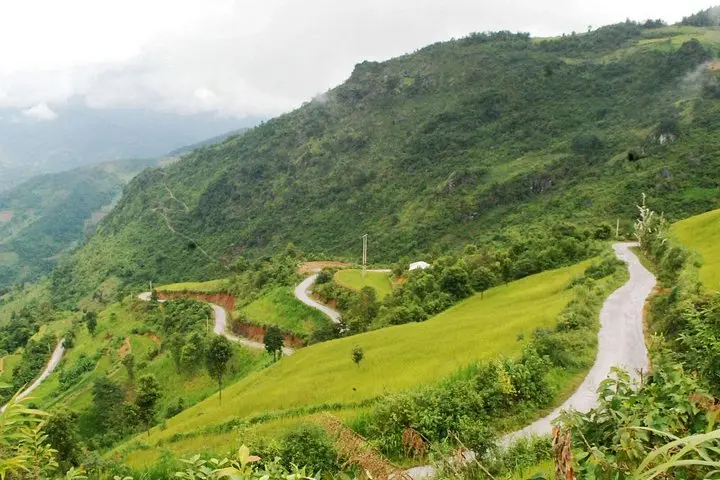
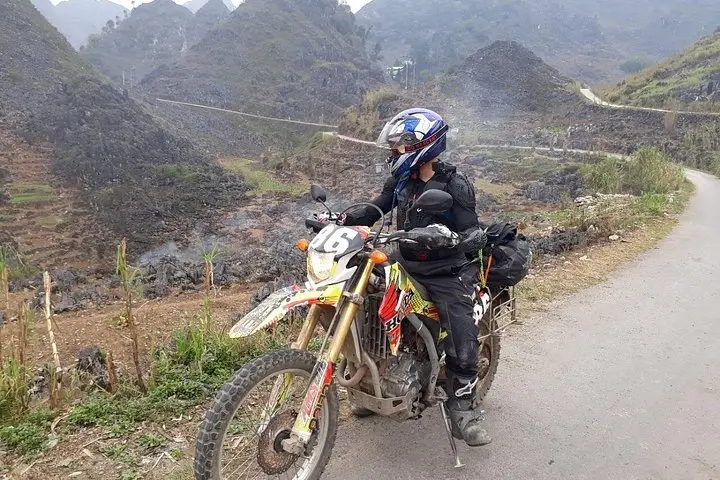
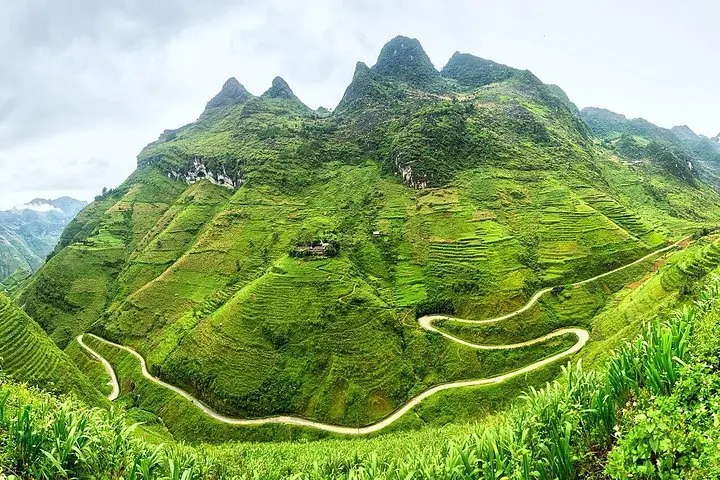
The engine thrums to life in Hanoi’s Old Quarter before the city’s humidity peels away and the road narrows. Within hours the rice plains flatten into limestone outcrops, and the rider is negotiating switchbacks that climb into mist-slicked forest. On day one the group descends into Mai Chau’s hidden valley, where a stilt house waits like an invitation: wooden steps creak, tea steams, and evening conversations drift through the rafters.
The engine thrums to life in Hanoi’s Old Quarter before the city’s humidity peels away and the road narrows. Within hours the rice plains flatten into limestone outcrops, and the rider is negotiating switchbacks that climb into mist-slicked forest. On day one the group descends into Mai Chau’s hidden valley, where a stilt house waits like an invitation: wooden steps creak, tea steams, and evening conversations drift through the rafters.
This 11-day loop stitches Vietnam’s northern highlands into a single ribbon of road—160–220 km days that thread the Hoang Lien Son range, tea terraces and the notorious Tram Ton Pass (near 1,900 m). The route follows historic trade arteries used by Black Thai, H'mong and Tay communities; you pass markets that still open on a weekly rhythm and the stately Vuong Palace, a colonial-era H'mong manor that reads like a local footnote to French influence.
Geology here is relentless: karst towers, river-cut gorges and terrace-carved slopes shaped by millennia of water and human labor. Ma Pi Leng Pass offers a rare confrontation with scale—the Nho Que River cuts a canyon so deep it seems to dare riders to look away. Ba Be Lake, the trip’s quiet finale, is the largest freshwater lake in Vietnam and a calm counterpoint to the high-country exposure, where limestone cliffs lean toward water and waterfalls provide ceremony.
Culture is immediate and tactile. Markets are where language and barter meet—bright textiles folded beside pork and pickled vegetables. Homestays in Pom Coong and Tay stilt houses keep travel human-sized: meals are shared, stories exchanged, and the rhythm of sunrise dictates the day.
Practical planning matters. Daily distances average 120–180 km over winding mountain roads—expect long days and variable surfaces. The package supplies Honda XR150 bikes, helmets, jackets and rain gear; still, bring layered clothing for temperature swings between lowland heat and near-freezing mountain mornings. Carry water, spare cash for market purchases, and confirmation of border permits if you plan side trips to frontier areas.
Ride conservatively on descents, respect local traffic and livestock on roads, and budget time for photo stops at Tram Ton, Ma Pi Leng and the Quang Ba viewpoint. Ba Be’s boat trip on day ten lets the group trade throttle for paddle: an easy way to rest tired shoulders and float through karst scenery.
This is a trip for riders who want more than postcard views—a route that combines technical riding, cultural encounters and sustained landscape variety. It rewards patience: slow down on the markets, talk to the hosts, and let the mountains set the pace.