THE ADVENTURE COLLECTIVE® · Independent discovery and booking for outdoor travel

Ride a designer luxury bus from Matsuyama into the Seto Inland Sea, cruise through fast tidal channels around the Noshima islands, and cross the lesser-known Tobishima Kaido. Expect dramatic currents, ferry hops, and a drop-off at Miyajima-guchi.
Ride a designer luxury bus from Matsuyama into the Seto Inland Sea, cruise through fast tidal channels around the Noshima islands, and cross the lesser-known Tobishima Kaido. Expect dramatic currents, ferry hops, and a drop-off at Miyajima-guchi.
You step onto a low-slung, wood-finished luxury bus in Matsuyama as sea spray and distant gull calls promise a different rhythm to the day. The vehicle hums away from Dogo Onsen, carrying a small group toward the Seto Inland Sea, where channels narrow and currents pull with intent.
Verified experiences and guided adventures in the surrounding area.
Operated by LIMON and Yui Olivia · Matsuyama, Ehime Prefecture
You step onto a low-slung, wood-finished luxury bus in Matsuyama as sea spray and distant gull calls promise a different rhythm to the day. The vehicle hums away from Dogo Onsen, carrying a small group toward the Seto Inland Sea, where channels narrow and currents pull with intent.
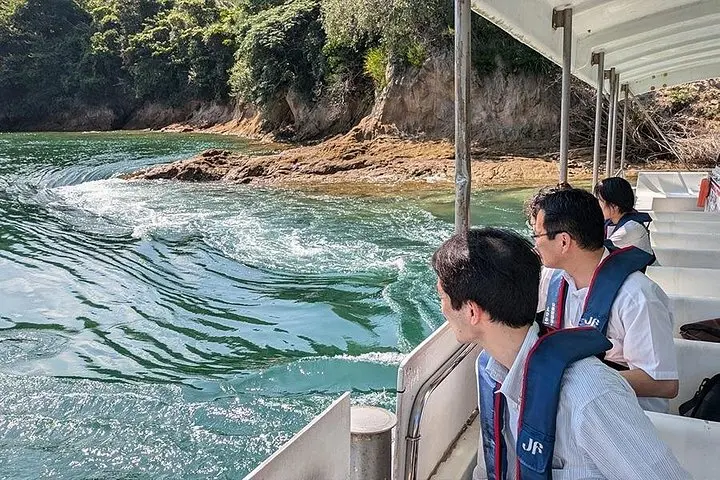
The tour threads history and geography—this coastline was once the hunting ground of Murakami kaizoku (sea lords) whose knowledge of tides shaped local trade and defense. The islands here are remnants of ancient uplift and coastal erosion; narrow straits concentrate water and create the fast, churning tides you'll see up close around Miyakubo and beneath the Hakata-Oshima Bridge.
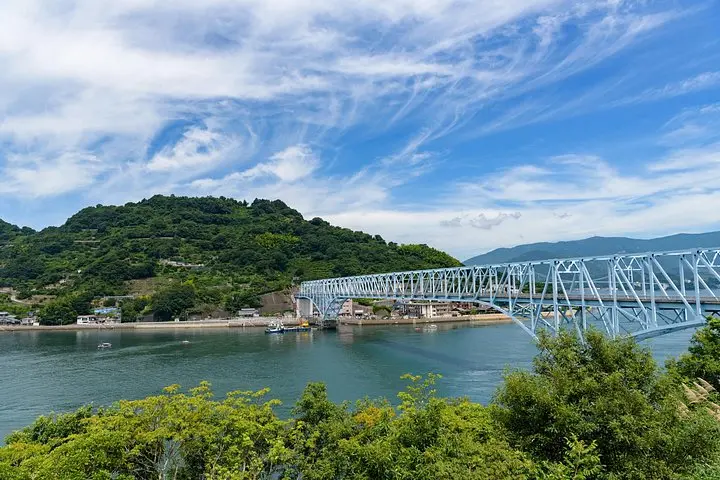
Cultural stops include a ferry hop on the Tobishima Kaido route, a series of seven bridges that stitch tiny islands together, and a drop-off at Miyajima-guchi for visitors wanting the sacred island of Itsukushima. Along the way an English-speaking attendant explains local architecture, sake traditions and why some islands remain lightly inhabited.
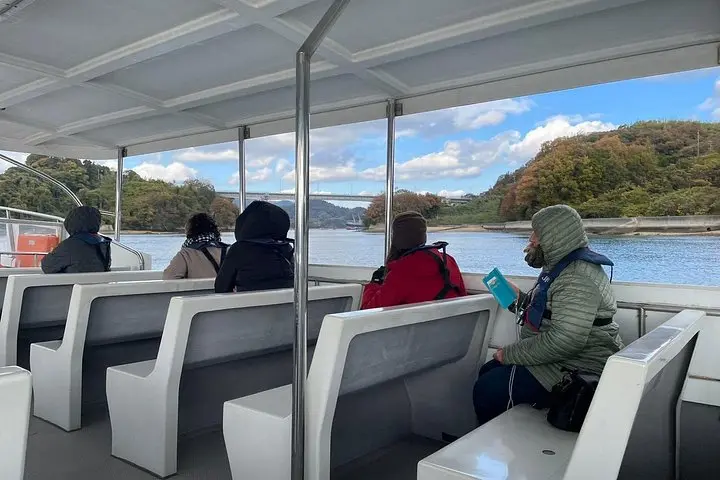
Practical details: plan for a 9–10 hour day; restrooms and Wi‑Fi are available on board, but space is limited—one large bag in the trunk per person. Expect bumpy ferry transfers and strong winds on deck; bring layers, sun protection, and motion-sickness prevention if you’re prone. Arrive at the boarding point at least 10 minutes early. The experience is low-effort physically but rich in coastal geology, maritime history and fast-current spectacle—an efficient way to see parts of the Seto Inland Sea many travelers miss.
The full experience runs about 9–10 hours and includes luxury bus transport, the fast-tide cruise, ferry fare (Munakata to Okamura), onboard beverages, Wi‑Fi and an English-speaking attendant.
Yes—one large bag (20–23 kg) per person can be stored in the bus trunk; bring smaller items onboard with you.
Foldable wheelchairs can be stored in the trunk, but participants must be able to climb bus stairs and reach their seats autonomously for safety reasons.
The bus drops off at Miyajima-guchi; passengers can disembark there only, and doing so won’t cancel included activities completed earlier in the itinerary.
LIMON and Yui Olivia operates guided outdoor trips and adventures with an emphasis on safety, stewardship, and memorable experiences.
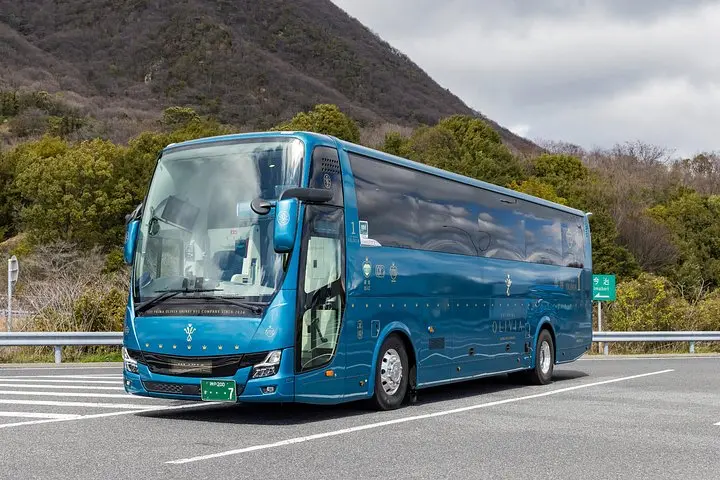
You step onto a low-slung, wood-finished luxury bus in Matsuyama as sea spray and distant gull calls promise a different rhythm to the day. The vehicle hums away from Dogo Onsen, carrying a small group toward the Seto Inland Sea, where channels narrow and currents pull with intent.
You step onto a low-slung, wood-finished luxury bus in Matsuyama as sea spray and distant gull calls promise a different rhythm to the day. The vehicle hums away from Dogo Onsen, carrying a small group toward the Seto Inland Sea, where channels narrow and currents pull with intent.
The tour threads history and geography—this coastline was once the hunting ground of Murakami kaizoku (sea lords) whose knowledge of tides shaped local trade and defense. The islands here are remnants of ancient uplift and coastal erosion; narrow straits concentrate water and create the fast, churning tides you'll see up close around Miyakubo and beneath the Hakata-Oshima Bridge.
Cultural stops include a ferry hop on the Tobishima Kaido route, a series of seven bridges that stitch tiny islands together, and a drop-off at Miyajima-guchi for visitors wanting the sacred island of Itsukushima. Along the way an English-speaking attendant explains local architecture, sake traditions and why some islands remain lightly inhabited.
Practical details: plan for a 9–10 hour day; restrooms and Wi‑Fi are available on board, but space is limited—one large bag in the trunk per person. Expect bumpy ferry transfers and strong winds on deck; bring layers, sun protection, and motion-sickness prevention if you’re prone. Arrive at the boarding point at least 10 minutes early. The experience is low-effort physically but rich in coastal geology, maritime history and fast-current spectacle—an efficient way to see parts of the Seto Inland Sea many travelers miss.