THE ADVENTURE COLLECTIVE® · Independent discovery and booking for outdoor travel

Explore Nosy Hara on a two-day boat trip from Diego Suarez: snorkel vibrant reefs, hike to baobabs and grey tsingy, then spend a night camping on the largest island for a panoramic sunset. Practical, off-grid island adventure with guided transfers and simple bivouac camping.
Explore Nosy Hara on a two-day boat trip from Diego Suarez: snorkel vibrant reefs, hike to baobabs and grey tsingy, then spend a night camping on the largest island for a panoramic sunset. Practical, off-grid island adventure with guided transfers and simple bivouac camping.
Standing on the low bow of a pirogue, salt spray stitches the air as the Ampasindava shoreline recedes and a chain of limestone islets—Nosy Hara—comes into view. The largest island breaks the horizon with a blunt skyline of grey tsingy and scrub; reef flats flash turquoise where waves pull away. By afternoon you’ll step onto sand, set a light tent, and climb a short ridge for a sunset that pushes the island’s rock faces into silhouette.
Verified experiences and guided adventures in the surrounding area.
Operated by North Gascar Tours · Diego Suarez, Diana
Standing on the low bow of a pirogue, salt spray stitches the air as the Ampasindava shoreline recedes and a chain of limestone islets—Nosy Hara—comes into view. The largest island breaks the horizon with a blunt skyline of grey tsingy and scrub; reef flats flash turquoise where waves pull away. By afternoon you’ll step onto sand, set a light tent, and climb a short ridge for a sunset that pushes the island’s rock faces into silhouette.
The archipelago sits off Diego Suarez (Antsiranana), a deep-water harbour with a history of Malagasy seafaring and colonial trade. Geologically the islets are composed of reef-build up and eroded limestone—grey tsingy and pocketed caves—and their coral shelves host diverse fringing reefs. Local Antakarana and Sakalava communities around Ampasindava still practice salt-working and small-scale fishing, giving the islands an off-grid feel.
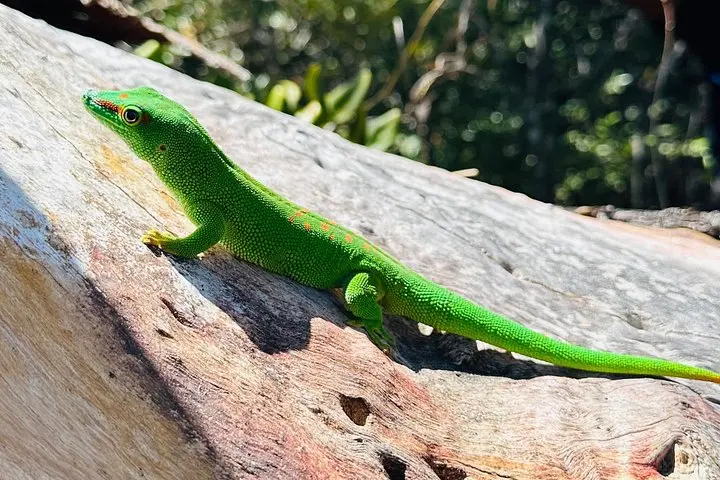
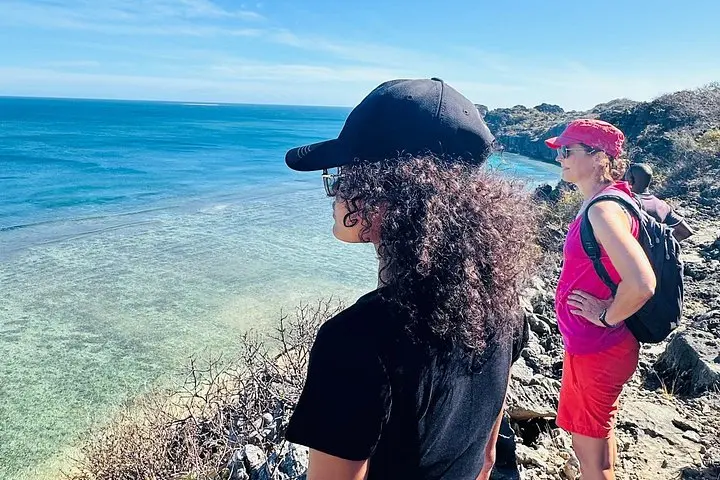
Expect two days of close-contact sea adventure: guided boat transfers, reef snorkeling over healthy coral gardens, a short 3 km walk to see baobabs and small tsingy features, and a single-night beach bivouac under the Milky Way. Wildlife is loud in the water—reef fish and green turtles patrol the shallows—while seabirds circle overhead.
Practical notes: bring reef-safe sunscreen and a snug mask for snorkeling; tides and wind can change snorkeling windows quickly, so plan flexible transfer times. Footwear should handle sand and sharp limestone; pack a dry bag and headlamp for beach camping. Water, shade timing, and low-impact camping practices keep the islands healthy for future visitors.
Most itineraries use a private 4x4 transfer to Ampasindava village, followed by a boat to Nosy Hara; confirm pickup times with the operator.
Some operators provide basic snorkel gear—check in advance and bring your own mask if fit is important for comfort and clearing water.
The bivouac is a simple beach camp with no running water or permanent facilities; operators typically provide potable water and basic camp setup, but expect rustic conditions.
This tour is not recommended for pregnant travelers; young children may join but should be able to tolerate boat travel and basic camping.
North Gascar Tours operates guided outdoor trips and adventures with an emphasis on safety, stewardship, and memorable experiences.
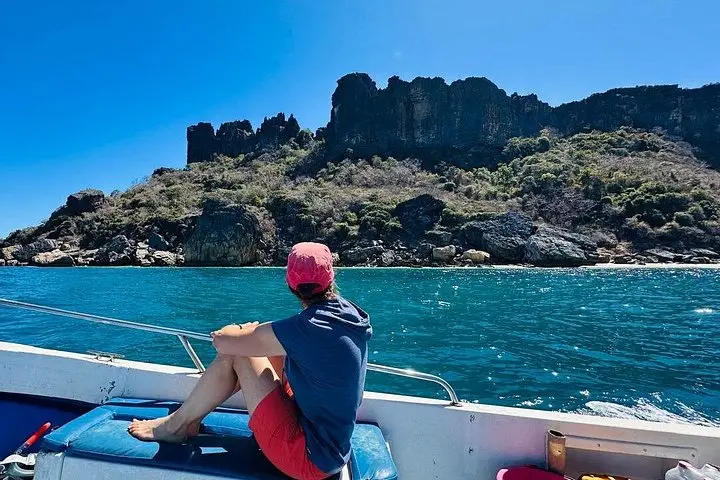
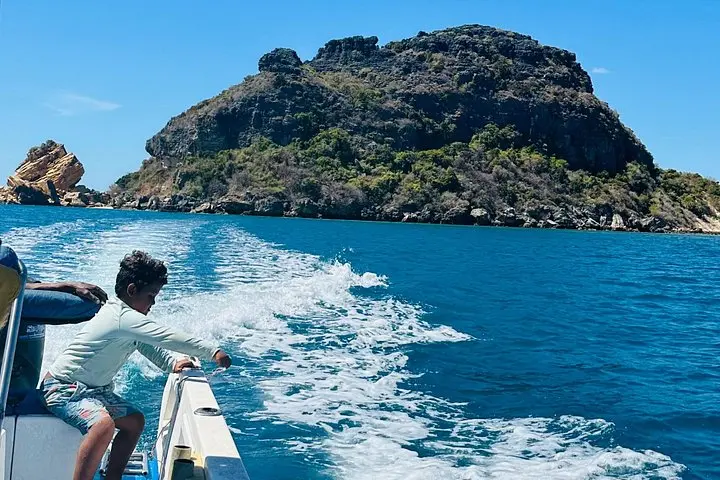
Standing on the low bow of a pirogue, salt spray stitches the air as the Ampasindava shoreline recedes and a chain of limestone islets—Nosy Hara—comes into view. The largest island breaks the horizon with a blunt skyline of grey tsingy and scrub; reef flats flash turquoise where waves pull away. By afternoon you’ll step onto sand, set a light tent, and climb a short ridge for a sunset that pushes the island’s rock faces into silhouette.
Standing on the low bow of a pirogue, salt spray stitches the air as the Ampasindava shoreline recedes and a chain of limestone islets—Nosy Hara—comes into view. The largest island breaks the horizon with a blunt skyline of grey tsingy and scrub; reef flats flash turquoise where waves pull away. By afternoon you’ll step onto sand, set a light tent, and climb a short ridge for a sunset that pushes the island’s rock faces into silhouette.
The archipelago sits off Diego Suarez (Antsiranana), a deep-water harbour with a history of Malagasy seafaring and colonial trade. Geologically the islets are composed of reef-build up and eroded limestone—grey tsingy and pocketed caves—and their coral shelves host diverse fringing reefs. Local Antakarana and Sakalava communities around Ampasindava still practice salt-working and small-scale fishing, giving the islands an off-grid feel.
Expect two days of close-contact sea adventure: guided boat transfers, reef snorkeling over healthy coral gardens, a short 3 km walk to see baobabs and small tsingy features, and a single-night beach bivouac under the Milky Way. Wildlife is loud in the water—reef fish and green turtles patrol the shallows—while seabirds circle overhead.
Practical notes: bring reef-safe sunscreen and a snug mask for snorkeling; tides and wind can change snorkeling windows quickly, so plan flexible transfer times. Footwear should handle sand and sharp limestone; pack a dry bag and headlamp for beach camping. Water, shade timing, and low-impact camping practices keep the islands healthy for future visitors.