THE ADVENTURE COLLECTIVE® · Independent discovery and booking for outdoor travel

A full-day small-group excursion from Nosy Be to Nosy Iranja and optional Nosy Antsoha combines a sandbar beach, lighthouse viewpoints and short forest walks to see lemurs. Expect snorkeling, a traditional Malagasy lunch, and a 6–8 hour boat-based outing.
A full-day small-group excursion from Nosy Be to Nosy Iranja and optional Nosy Antsoha combines a sandbar beach, lighthouse viewpoints and short forest walks to see lemurs. Expect snorkeling, a traditional Malagasy lunch, and a 6–8 hour boat-based outing.
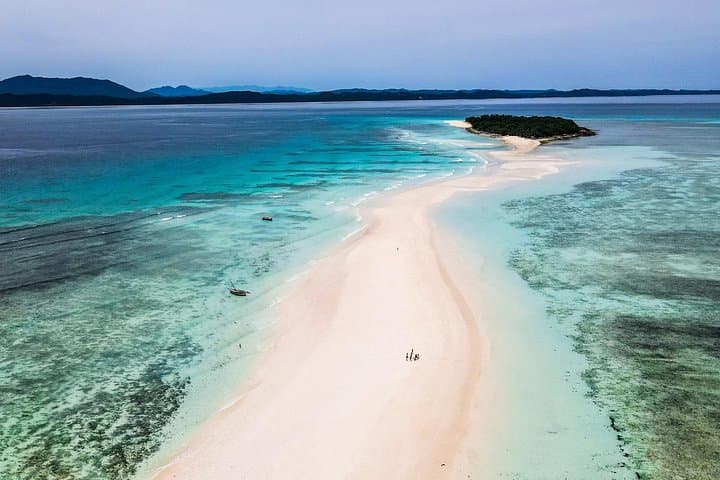
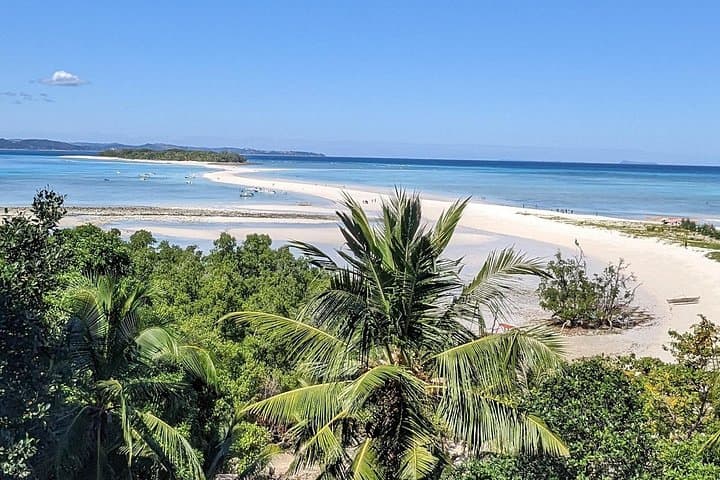
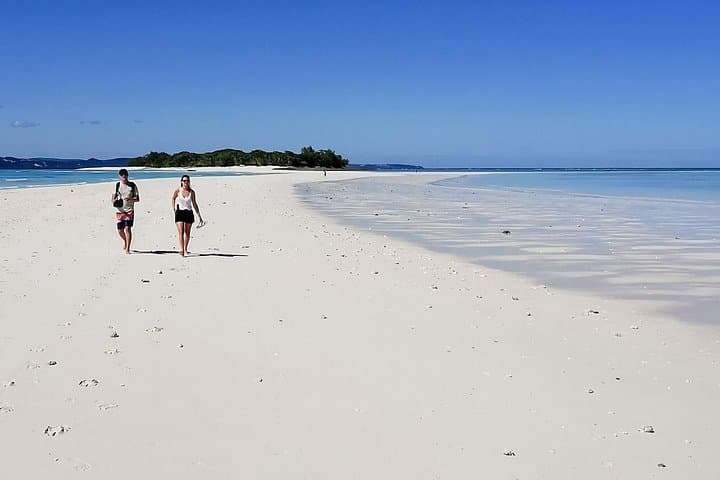
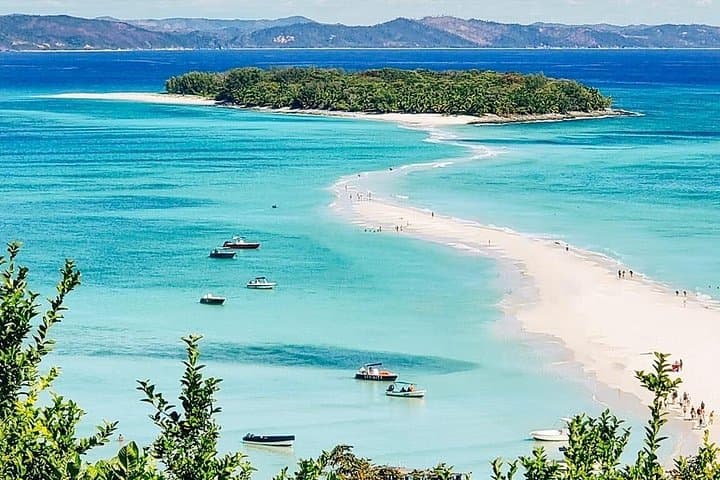
The boat cuts through warm Indian Ocean swells and the sandbar of Nosy Iranja appears like a pale spine connecting two islets — one broad and white, the other a compact patch of pandanus and casuarina. Salt and coconut smoke hang in the air; children’s voices from a distant village echo from the water.
Verified experiences and guided adventures in the surrounding area.
Operated by MadaDays · Nosy Be, Diana
The boat cuts through warm Indian Ocean swells and the sandbar of Nosy Iranja appears like a pale spine connecting two islets — one broad and white, the other a compact patch of pandanus and casuarina. Salt and coconut smoke hang in the air; children’s voices from a distant village echo from the water.
This full-day excursion threads natural history and local culture. Nosy Iranja’s sandbar and low-lying coral ridge form from reef growth and longshore drift; the lighthouse atop Iranja Be offers a compact geology lesson and a view across the Mozambique Channel. Nearby Nosy Antsoha shifts the scene inland: low dry forest where crowned sifaka and ring-tailed lemurs forage in sun-dappled clearings. Guides fluent in multiple languages explain Malagasy fishing traditions, zebu husbandry on the mainland, and the island’s role in regional trade.
Expect a balanced day: snorkeling in clear shallows, walking the connecting spit, climbing a short path to the lighthouse for panoramic photos, and a shaded forest walk looking for lemurs. Lunch is traditional Malagasy fare with coconut rice, seafood and zebu prepared by local cooks.
Practicalities: the trip runs around seven hours with boat transfers; bring reef-safe sunscreen, water shoes for coral and a light wind layer for open-boat crossings. Sea conditions can change, so check tides and weather and follow guide instructions for safety. Respect wildlife distances and local customs when visiting villages — leave no trace and pack out plastics.
Boat transfers typically range from 45 minutes to 1.5 hours depending on the departure point and sea conditions; confirm exact pickup location and time with the operator.
Many operators provide basic snorkeling gear, but fit and quality vary — bring your own mask/snorkel if you prefer a secure fit.
Yes — short guided forest walks can reveal species like crowned sifaka and ring-tailed lemurs, though sightings depend on season and animal movement.
Lunch is prepared with fresh local ingredients and vegetarian options are usually available; notify the operator in advance about allergies or strict dietary needs.
MadaDays operates guided outdoor trips and adventures with an emphasis on safety, stewardship, and memorable experiences.
The boat cuts through warm Indian Ocean swells and the sandbar of Nosy Iranja appears like a pale spine connecting two islets — one broad and white, the other a compact patch of pandanus and casuarina. Salt and coconut smoke hang in the air; children’s voices from a distant village echo from the water.
The boat cuts through warm Indian Ocean swells and the sandbar of Nosy Iranja appears like a pale spine connecting two islets — one broad and white, the other a compact patch of pandanus and casuarina. Salt and coconut smoke hang in the air; children’s voices from a distant village echo from the water.
This full-day excursion threads natural history and local culture. Nosy Iranja’s sandbar and low-lying coral ridge form from reef growth and longshore drift; the lighthouse atop Iranja Be offers a compact geology lesson and a view across the Mozambique Channel. Nearby Nosy Antsoha shifts the scene inland: low dry forest where crowned sifaka and ring-tailed lemurs forage in sun-dappled clearings. Guides fluent in multiple languages explain Malagasy fishing traditions, zebu husbandry on the mainland, and the island’s role in regional trade.
Expect a balanced day: snorkeling in clear shallows, walking the connecting spit, climbing a short path to the lighthouse for panoramic photos, and a shaded forest walk looking for lemurs. Lunch is traditional Malagasy fare with coconut rice, seafood and zebu prepared by local cooks.
Practicalities: the trip runs around seven hours with boat transfers; bring reef-safe sunscreen, water shoes for coral and a light wind layer for open-boat crossings. Sea conditions can change, so check tides and weather and follow guide instructions for safety. Respect wildlife distances and local customs when visiting villages — leave no trace and pack out plastics.