THE ADVENTURE COLLECTIVE® · Independent discovery and booking for outdoor travel

A private shore excursion from Nosy Be that delivers 1.5 km of coral sandbar, turquoise snorkeling reefs and a village lunch—designed to fit cruise schedules. Expect a 90-minute boat transfer, turtle encounters, and a flexible return to port.
A private shore excursion from Nosy Be that delivers 1.5 km of coral sandbar, turquoise snorkeling reefs and a village lunch—designed to fit cruise schedules. Expect a 90-minute boat transfer, turtle encounters, and a flexible return to port.
You step off the cruise gangway and into sunlight—small motorboats wait at the harbor, engines chattering like eager guides. The transfer across the Mozambique Channel takes about 90 minutes; the sea opens and narrows, dolphins often threading alongside the bow. On arrival, Iranja’s pale sandbar unrolls for nearly 1.5 km, a ribbon of coral sand connecting two low islands where the ocean alternates between glassy turquoise and a deeper cobalt.
Verified experiences and guided adventures in the surrounding area.
Operated by Fossa Travel · Nosy Be, Diana Region
You step off the cruise gangway and into sunlight—small motorboats wait at the harbor, engines chattering like eager guides. The transfer across the Mozambique Channel takes about 90 minutes; the sea opens and narrows, dolphins often threading alongside the bow. On arrival, Iranja’s pale sandbar unrolls for nearly 1.5 km, a ribbon of coral sand connecting two low islands where the ocean alternates between glassy turquoise and a deeper cobalt.
Geology here is coral-built: low-lying reef islands of broken coral and sand sit atop ancient limestone shoals. The islands have been home to small fishing communities for generations; you’ll see simple wooden homes and a lighthouse that marks a colonial-era navigation point. Local culture is straightforward and marine-focused—fishing, boatbuilding, and communal meals are central.
Expect clear-water snorkeling over healthy reef sections thick with parrotfish, surgeonfish and the slow paddling of green sea turtles. Currents are generally mild but can shift; guides will brief you before entering the water. Lunch is a traditional Malagasy seafood spread served by villagers—zebu stews, grilled fish, and tropical fruit.
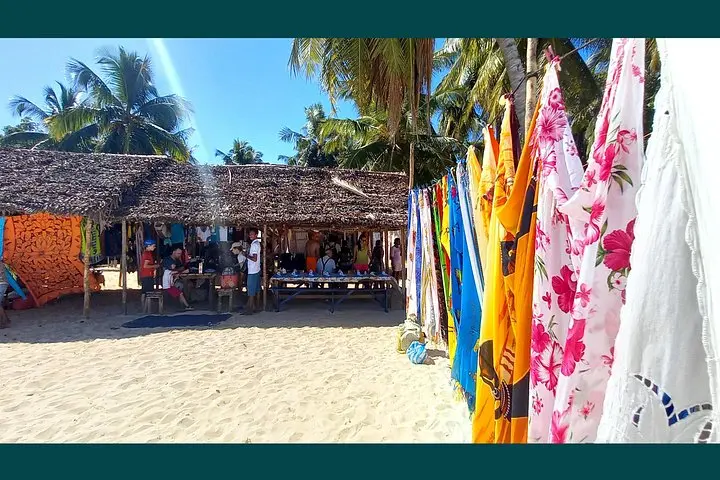
Practical guidance: plan around the tide—low tide exposes the best length of sandbar but reduces safe swimming on the seaward side. Bring reef-safe sunscreen, a mask if you prefer your own, and some cash for small purchases or tips. Wear reef shoes for the walk across intertidal flats. The day is private and flexible for cruise timetables, but sea conditions can alter timings—book with a margin before reboarding time.
Yes—this private transfer meets you at the port and is timed to work with your ship’s schedule, but allow extra time for embarkation formalities.
The motorboat crossing is approximately 90 minutes each way, depending on sea conditions and the specific pick-up point on Nosy Be.
Basic snorkeling equipment is included, but many travelers prefer to bring their own mask for fit and clarity.
A traditional Malagasy lunch is prepared by villagers; facilities are simple—expect modest toilets and informal dining under shade.
Fossa Travel operates guided outdoor trips and adventures with an emphasis on safety, stewardship, and memorable experiences.
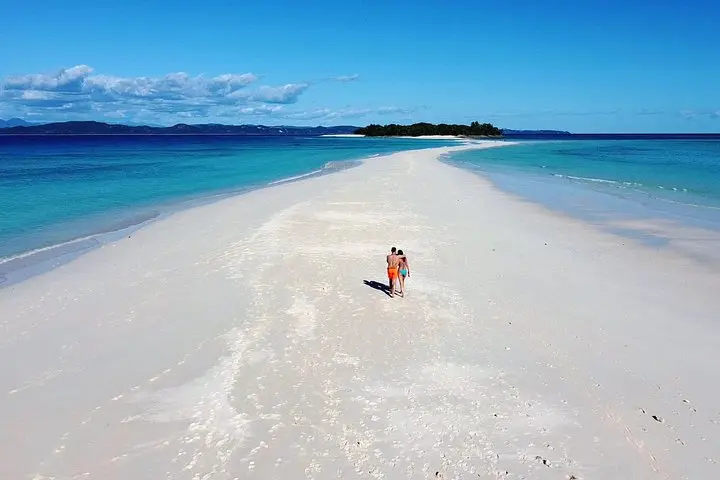
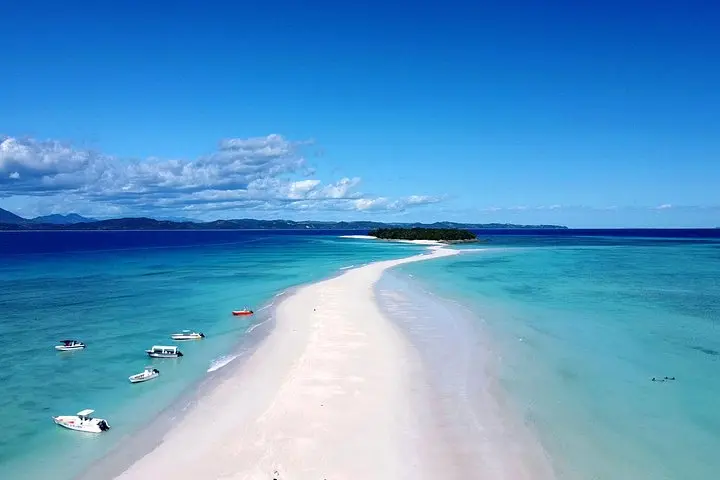
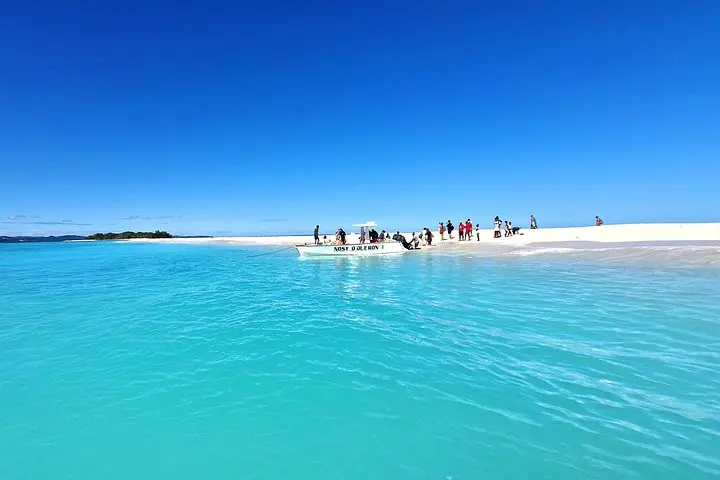
You step off the cruise gangway and into sunlight—small motorboats wait at the harbor, engines chattering like eager guides. The transfer across the Mozambique Channel takes about 90 minutes; the sea opens and narrows, dolphins often threading alongside the bow. On arrival, Iranja’s pale sandbar unrolls for nearly 1.5 km, a ribbon of coral sand connecting two low islands where the ocean alternates between glassy turquoise and a deeper cobalt.
You step off the cruise gangway and into sunlight—small motorboats wait at the harbor, engines chattering like eager guides. The transfer across the Mozambique Channel takes about 90 minutes; the sea opens and narrows, dolphins often threading alongside the bow. On arrival, Iranja’s pale sandbar unrolls for nearly 1.5 km, a ribbon of coral sand connecting two low islands where the ocean alternates between glassy turquoise and a deeper cobalt.
Geology here is coral-built: low-lying reef islands of broken coral and sand sit atop ancient limestone shoals. The islands have been home to small fishing communities for generations; you’ll see simple wooden homes and a lighthouse that marks a colonial-era navigation point. Local culture is straightforward and marine-focused—fishing, boatbuilding, and communal meals are central.
Expect clear-water snorkeling over healthy reef sections thick with parrotfish, surgeonfish and the slow paddling of green sea turtles. Currents are generally mild but can shift; guides will brief you before entering the water. Lunch is a traditional Malagasy seafood spread served by villagers—zebu stews, grilled fish, and tropical fruit.
Practical guidance: plan around the tide—low tide exposes the best length of sandbar but reduces safe swimming on the seaward side. Bring reef-safe sunscreen, a mask if you prefer your own, and some cash for small purchases or tips. Wear reef shoes for the walk across intertidal flats. The day is private and flexible for cruise timetables, but sea conditions can alter timings—book with a margin before reboarding time.