THE ADVENTURE COLLECTIVE® · Independent discovery and booking for outdoor travel

Trace Paris’s oldest streets from Île de la Cité to Le Marais on a private three‑hour walking tour that blends Gothic architecture, riverfront life, and neighborhood gastronomy. Ideal for first‑time visitors who want history, local flavor, and practical pacing.
Trace Paris’s oldest streets from Île de la Cité to Le Marais on a private three‑hour walking tour that blends Gothic architecture, riverfront life, and neighborhood gastronomy. Ideal for first‑time visitors who want history, local flavor, and practical pacing.
Crossing a low stone bridge, the Seine dares you to slow down. Water slides past quays where books and blooms are displayed as if the river itself curated Parisian life. This three‑hour private walking tour places travelers in the medieval core: Île de la Cité’s timbered alleys, the façade and square around Notre‑Dame, then the narrow streets and hidden courtyards of Le Marais.
Verified experiences and guided adventures in the surrounding area.
Operated by Louvre and Orsay private tours with Anton · Paris, Île-de-France
Crossing a low stone bridge, the Seine dares you to slow down. Water slides past quays where books and blooms are displayed as if the river itself curated Parisian life. This three‑hour private walking tour places travelers in the medieval core: Île de la Cité’s timbered alleys, the façade and square around Notre‑Dame, then the narrow streets and hidden courtyards of Le Marais.
The route traces layers of history — Gallo‑Roman foundations beneath modern pavements, a Gothic cathedral that dominated the skyline for centuries, and the Marais district where 17th‑century mansions became workshops and galleries. Geologically, the island is riverine silt built up by the Seine’s slow deposition, which is why Paris grew here first: defensible, central, and supplied by water.
Culturally, expect a mix of daily Parisian life and deep heritage — pastry shops with morning lines, flower stalls on the quays, and small bookshops that have existed for decades. Guides often weave architecture, wartime history, and the modern café scene into the narrative.
Practical guidance: meet at the St‑Paul metro exit; wear comfortable shoes for cobbles and short staircases inside older buildings; bring a portable charger for photos; budget small cash for market purchases. The itinerary is customizable — you can linger in a bakery or speed through the highlights. Mornings are quieter; late afternoons offer golden light on stone. This tour is accessible for most fitness levels and provides an efficient, intimate way to read Paris’s oldest chapters while sampling its present-day rhythms.
No — this walking tour focuses on exterior visits and neighborhood exploration; any museum or cathedral entry fees are paid separately.
The tour meets at the exit of St‑Paul metro station (Île Saint‑Louis side); the guide confirms exact location upon booking.
The route is largely flat and stroller accessible, but some narrow streets and interior stops may have limited accessibility—advise the operator when booking.
Yes — the guide tailors stops for more pastries, vegetarian options, or deeper historical focus on request.
Louvre and Orsay private tours with Anton operates guided outdoor trips and adventures with an emphasis on safety, stewardship, and memorable experiences.
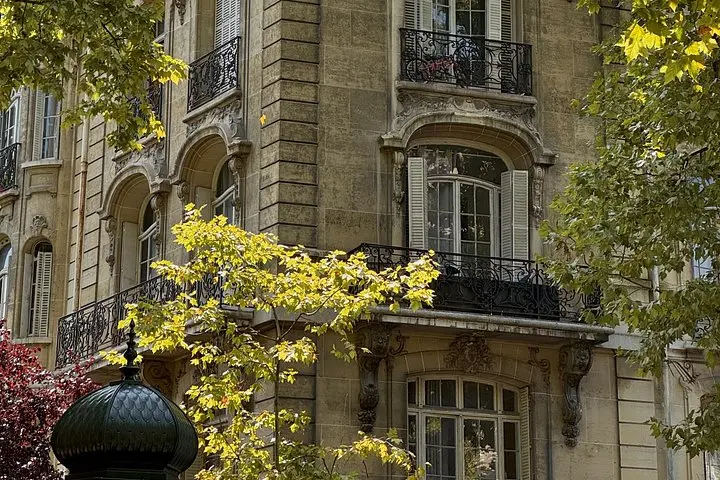
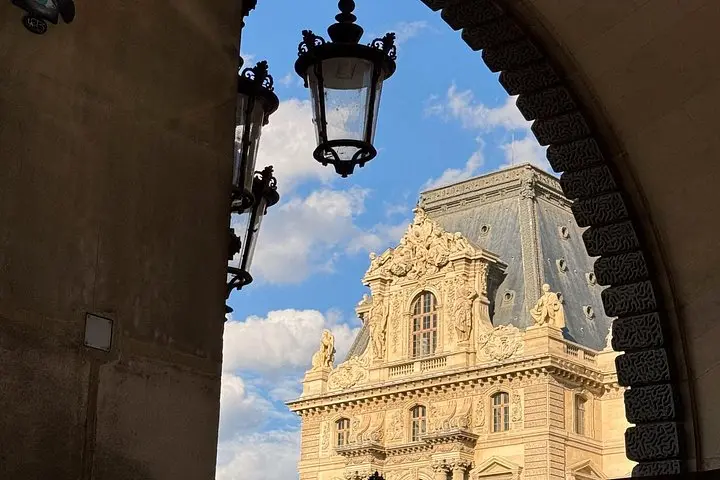
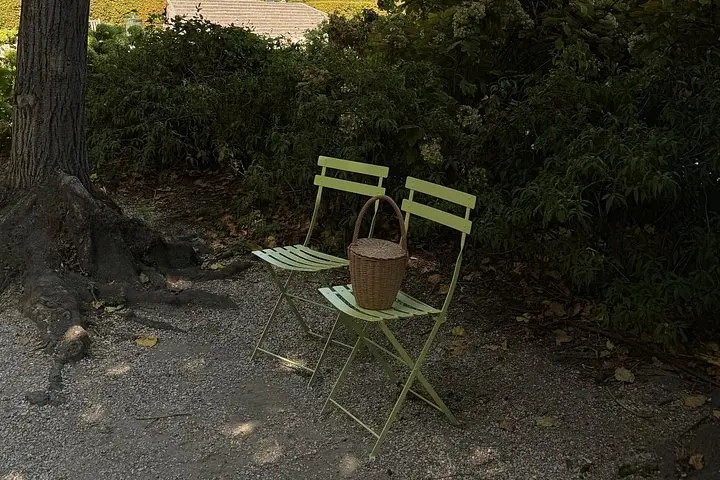
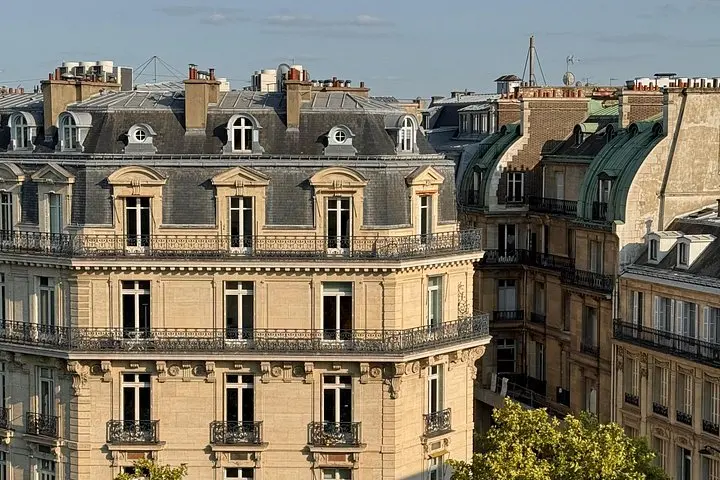
Crossing a low stone bridge, the Seine dares you to slow down. Water slides past quays where books and blooms are displayed as if the river itself curated Parisian life. This three‑hour private walking tour places travelers in the medieval core: Île de la Cité’s timbered alleys, the façade and square around Notre‑Dame, then the narrow streets and hidden courtyards of Le Marais.
Crossing a low stone bridge, the Seine dares you to slow down. Water slides past quays where books and blooms are displayed as if the river itself curated Parisian life. This three‑hour private walking tour places travelers in the medieval core: Île de la Cité’s timbered alleys, the façade and square around Notre‑Dame, then the narrow streets and hidden courtyards of Le Marais.
The route traces layers of history — Gallo‑Roman foundations beneath modern pavements, a Gothic cathedral that dominated the skyline for centuries, and the Marais district where 17th‑century mansions became workshops and galleries. Geologically, the island is riverine silt built up by the Seine’s slow deposition, which is why Paris grew here first: defensible, central, and supplied by water.
Culturally, expect a mix of daily Parisian life and deep heritage — pastry shops with morning lines, flower stalls on the quays, and small bookshops that have existed for decades. Guides often weave architecture, wartime history, and the modern café scene into the narrative.
Practical guidance: meet at the St‑Paul metro exit; wear comfortable shoes for cobbles and short staircases inside older buildings; bring a portable charger for photos; budget small cash for market purchases. The itinerary is customizable — you can linger in a bakery or speed through the highlights. Mornings are quieter; late afternoons offer golden light on stone. This tour is accessible for most fitness levels and provides an efficient, intimate way to read Paris’s oldest chapters while sampling its present-day rhythms.