THE ADVENTURE COLLECTIVE® · Independent discovery and booking for outdoor travel

A private motorboat delivers you to a colorful Nubian village on the Nile for a four‑hour cultural visit. Expect a guided walk through painted streets, tea in a local home, and closeup insight into Nubian history and daily life.
A private motorboat delivers you to a colorful Nubian village on the Nile for a four‑hour cultural visit. Expect a guided walk through painted streets, tea in a local home, and closeup insight into Nubian history and daily life.
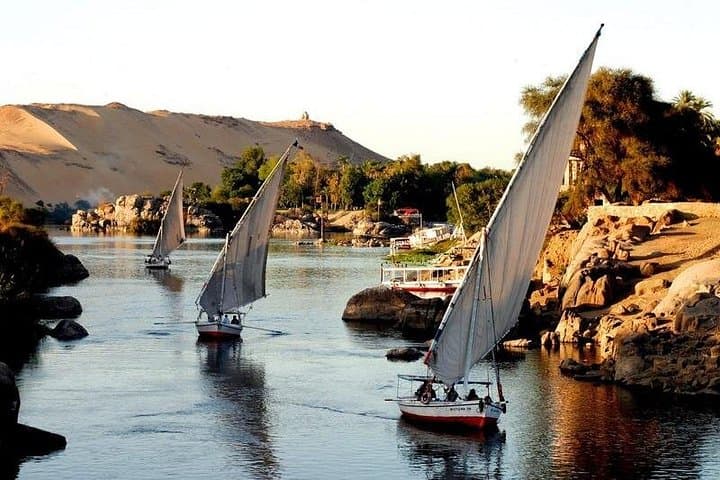
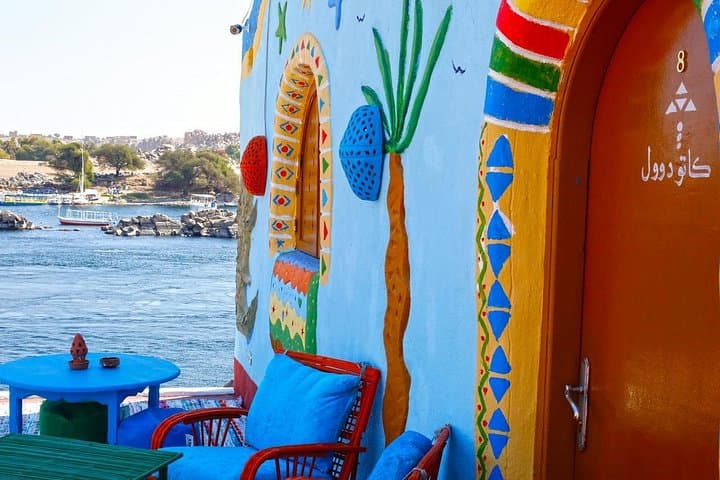
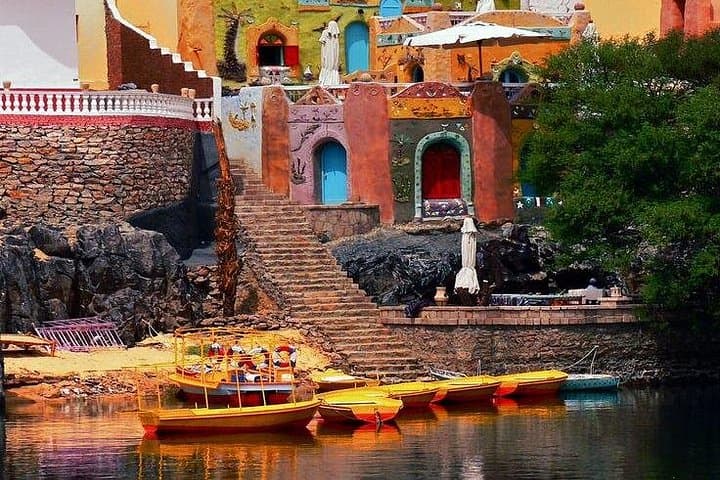
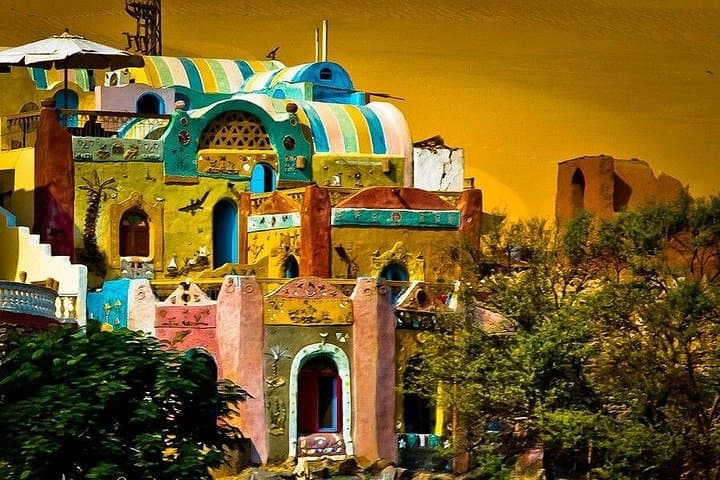
You step off a low motorboat and the Nile shifts its mood — slow and reflective here, impatient where it narrows — while painted houses greet you in saturated blues and ochres. Boats draw up and palms lean in toward the river; children wave from alleyways and the air carries hibiscus and warm tea.
Verified experiences and guided adventures in the surrounding area.
Operated by Saray El-Nile · Aswan, Aswan Governorate
You step off a low motorboat and the Nile shifts its mood — slow and reflective here, impatient where it narrows — while painted houses greet you in saturated blues and ochres. Boats draw up and palms lean in toward the river; children wave from alleyways and the air carries hibiscus and warm tea.
Aswan sits on the southern edge of Egypt’s granite plateau where the Nile has carved its path for millennia. The Nubian community here is one of the region’s oldest living cultures, shaped by river cycles, trade, and periodic resettlement after the High Dam era. Local crafts, dialect (Nobiin), and home architecture preserve a continuity that dates back centuries even as bright new colors mark recent restorations.
The tour pairs a 20–30 minute motorboat crossing with a guided walk through the village: family homes, small markets, and invitation into a household for tea. Your Egyptologist guide explains stonemasonry traditions from nearby quarries, customary greetings, and the significance of river access to daily life. Photography is welcomed but ask before shooting inside homes.
Practical notes: the half-day format runs about four hours with hotel pickup; expect sun exposure and sandy, uneven alleys—flat-soled shoes are best. Bring small cash for crafts and soft drinks; bottled water is provided on the tour. Respectful dress (shoulders and knees covered for women) smooths social encounters. If heat is high, schedule morning or late-afternoon departures; winter mornings are crisp and photogenic.
This trip is sensory and social more than strenuous — an intimate window into Nubian hospitality set against the steady, shaping force of the Nile.
Boat transfers to the Nubian village typically take 20–30 minutes each way depending on the exact landing point and traffic on the river.
Yes — the tour is family-friendly, but infants must sit on laps during the boat crossing and parents should supervise near docks and river edges.
The tour includes complimentary Nubian tea or hibiscus juice and bottled water; additional snacks or meals are not provided but local homes or market stalls may offer items to buy.
Tipping is customary for guides and appreciated by hosts; carry small local currency notes to tip after the visit or for purchased crafts.
Saray El-Nile operates guided outdoor trips and adventures with an emphasis on safety, stewardship, and memorable experiences.
You step off a low motorboat and the Nile shifts its mood — slow and reflective here, impatient where it narrows — while painted houses greet you in saturated blues and ochres. Boats draw up and palms lean in toward the river; children wave from alleyways and the air carries hibiscus and warm tea.
You step off a low motorboat and the Nile shifts its mood — slow and reflective here, impatient where it narrows — while painted houses greet you in saturated blues and ochres. Boats draw up and palms lean in toward the river; children wave from alleyways and the air carries hibiscus and warm tea.
Aswan sits on the southern edge of Egypt’s granite plateau where the Nile has carved its path for millennia. The Nubian community here is one of the region’s oldest living cultures, shaped by river cycles, trade, and periodic resettlement after the High Dam era. Local crafts, dialect (Nobiin), and home architecture preserve a continuity that dates back centuries even as bright new colors mark recent restorations.
The tour pairs a 20–30 minute motorboat crossing with a guided walk through the village: family homes, small markets, and invitation into a household for tea. Your Egyptologist guide explains stonemasonry traditions from nearby quarries, customary greetings, and the significance of river access to daily life. Photography is welcomed but ask before shooting inside homes.
Practical notes: the half-day format runs about four hours with hotel pickup; expect sun exposure and sandy, uneven alleys—flat-soled shoes are best. Bring small cash for crafts and soft drinks; bottled water is provided on the tour. Respectful dress (shoulders and knees covered for women) smooths social encounters. If heat is high, schedule morning or late-afternoon departures; winter mornings are crisp and photogenic.
This trip is sensory and social more than strenuous — an intimate window into Nubian hospitality set against the steady, shaping force of the Nile.