
Nubian Village Tour from Aswan: Felucca to Sohail Island
Sail from Aswan to Sohail Island and step into colorful Nubian village life. This short cultural cruise combines a felucca or motorboat ride, a hosted visit to a traditional Nubian house, and free time to wander painted lanes.
An Adventure In Aswan.
Sail from Aswan to Sohail Island and step into colorful Nubian village life. This short cultural cruise combines a felucca or motorboat ride, a hosted visit to a traditional Nubian house, and free time to wander painted lanes.
Read the full experience
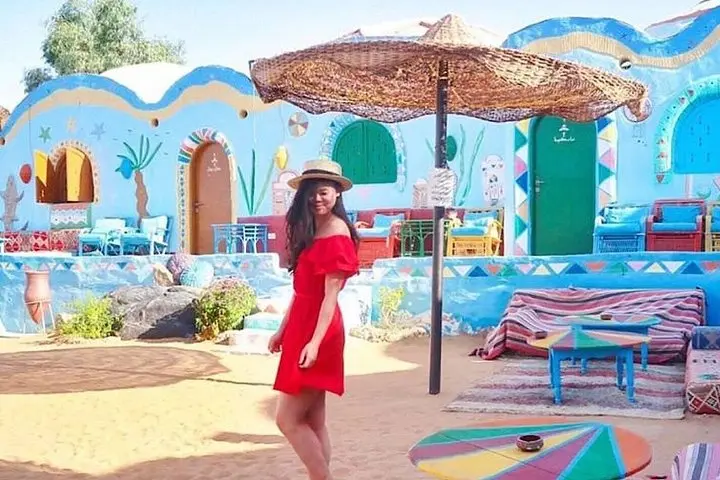
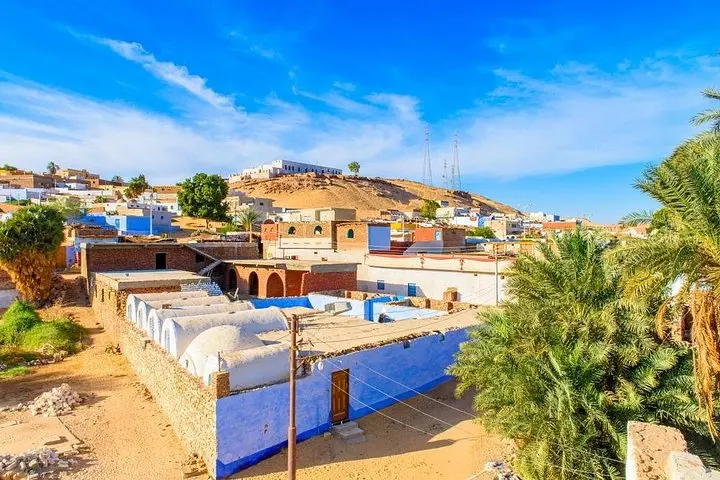
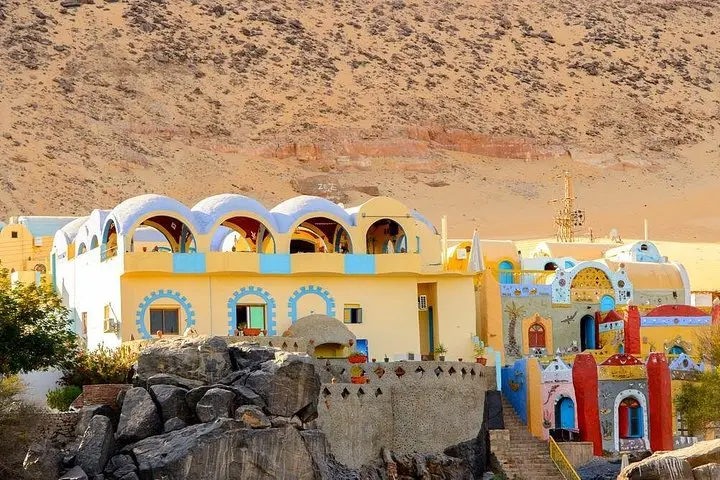
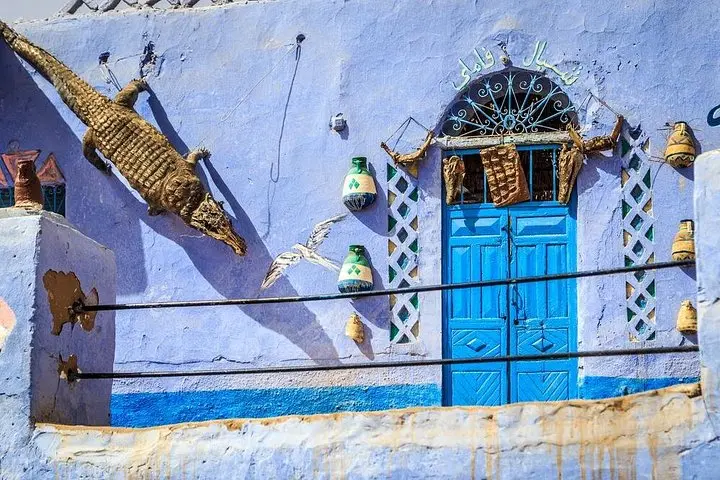
The wind off the Nile picks up as your boat slides away from Aswan's quay, palm-lined banks shrinking into a patchwork of mud-brick houses painted in bright blues and ochres. Ahead lies Sohail Island — a compact world where narrow paths thread between painted doors and children run out to greet visitors. The sail or motorboat ride gives way to the slow human pace of a Nubian village: steaming cups of tea, low stone houses, and laughter echoing across the river.
The wind off the Nile picks up as your boat slides away from Aswan's quay, palm-lined banks shrinking into a patchwork of mud-brick houses painted in bright blues and ochres. Ahead lies Sohail Island — a compact world where narrow paths thread between painted doors and children run out to greet visitors. The sail or motorboat ride gives way to the slow human pace of a Nubian village: steaming cups of tea, low stone houses, and laughter echoing across the river.
This stretch of the Nile has been a crossroads for millennia. Elephantine and Sohail islands sit on the granite backbone of southern Egypt, where ancient quarries and seasonal inundation shaped settlement patterns and trade routes. Nubian culture here blends Pharaonic, Islamic, and African influences; families keep oral histories, painted house-front motifs, and crafts that reflect that layered past.
Practical details matter: expect light walking on sandy, uneven lanes and shaded stops at a traditional house where an Egyptologist guide explains local customs over tea. Boat choice varies with weather — traditional feluccas offer a quieter cruise while a motorboat is steadier in breezier conditions.
Plan for sun and river spray, and for conversations rather than formal museums. Bring a small amount of cash for crafts and tea, wear comfortable shoes for uneven surfaces, and leave larger backpacks on the boat. The tour is short and accessible, ideal for travelers wanting an intimate cultural encounter without a strenuous hike. Time your visit for late afternoon light when colors are strongest and temperatures kinder.
Frequently asked questions
The experience runs about 3–4 hours and includes pickup/drop-off, boat transfer (felucca or motorboat), a guided visit to a Nubian house, tea, bottled water, and an English-speaking Egyptologist guide.
The supplier lists wheelchair and stroller accessible transportation, but village lanes can be uneven; check with the operator beforehand for specific accessibility needs.
Yes, but ask permission first—many families are happy to be photographed, and offering a small tip is appreciated.
Late afternoon offers cooler temperatures and richer colors for photography; morning departures are cooler but the listed tour typically runs in the afternoon.
About This Experience
Sunrise Tours operates guided outdoor trips and adventures with an emphasis on safety, stewardship, and memorable experiences.
Adventure tips
Recommended gear
- Sun hat and sunscreen: Protects against strong sun on the Nile and while walking village streets.
- Comfortable walking shoes: Offers traction on uneven, sandy, or stone surfaces around the village.
- Refillable water bottle: Keeps you hydrated between provided bottled water and slows single-use plastic use.
- Compact camera or smartphone: Captures painted house facades, river scenes, and moments with locals.
Photos of the experience
Related adventures & guides
Read the full experience
The wind off the Nile picks up as your boat slides away from Aswan's quay, palm-lined banks shrinking into a patchwork of mud-brick houses painted in bright blues and ochres. Ahead lies Sohail Island — a compact world where narrow paths thread between painted doors and children run out to greet visitors. The sail or motorboat ride gives way to the slow human pace of a Nubian village: steaming cups of tea, low stone houses, and laughter echoing across the river.
The wind off the Nile picks up as your boat slides away from Aswan's quay, palm-lined banks shrinking into a patchwork of mud-brick houses painted in bright blues and ochres. Ahead lies Sohail Island — a compact world where narrow paths thread between painted doors and children run out to greet visitors. The sail or motorboat ride gives way to the slow human pace of a Nubian village: steaming cups of tea, low stone houses, and laughter echoing across the river.
This stretch of the Nile has been a crossroads for millennia. Elephantine and Sohail islands sit on the granite backbone of southern Egypt, where ancient quarries and seasonal inundation shaped settlement patterns and trade routes. Nubian culture here blends Pharaonic, Islamic, and African influences; families keep oral histories, painted house-front motifs, and crafts that reflect that layered past.
Practical details matter: expect light walking on sandy, uneven lanes and shaded stops at a traditional house where an Egyptologist guide explains local customs over tea. Boat choice varies with weather — traditional feluccas offer a quieter cruise while a motorboat is steadier in breezier conditions.
Plan for sun and river spray, and for conversations rather than formal museums. Bring a small amount of cash for crafts and tea, wear comfortable shoes for uneven surfaces, and leave larger backpacks on the boat. The tour is short and accessible, ideal for travelers wanting an intimate cultural encounter without a strenuous hike. Time your visit for late afternoon light when colors are strongest and temperatures kinder.
Make a day of it nearby.
Verified experiences and guided adventures in the surrounding area.