THE ADVENTURE COLLECTIVE® · Independent discovery and booking for outdoor travel

Spend three days hopping between Nusa Lembongan and Nusa Penida to explore mangrove channels, cliff-top viewpoints and remote beaches. Expect short steep hikes, bumpy island roads and speedboat transfers as you move between highlights like Kelingking, Diamond Beach and Crystal Bay.
Spend three days hopping between Nusa Lembongan and Nusa Penida to explore mangrove channels, cliff-top viewpoints and remote beaches. Expect short steep hikes, bumpy island roads and speedboat transfers as you move between highlights like Kelingking, Diamond Beach and Crystal Bay.
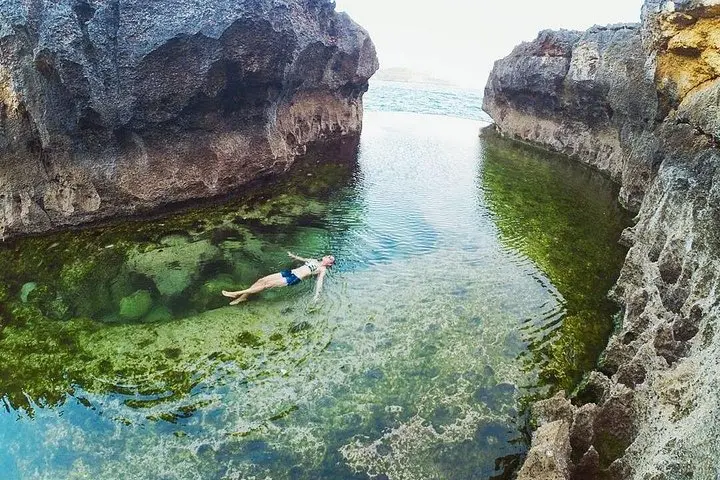
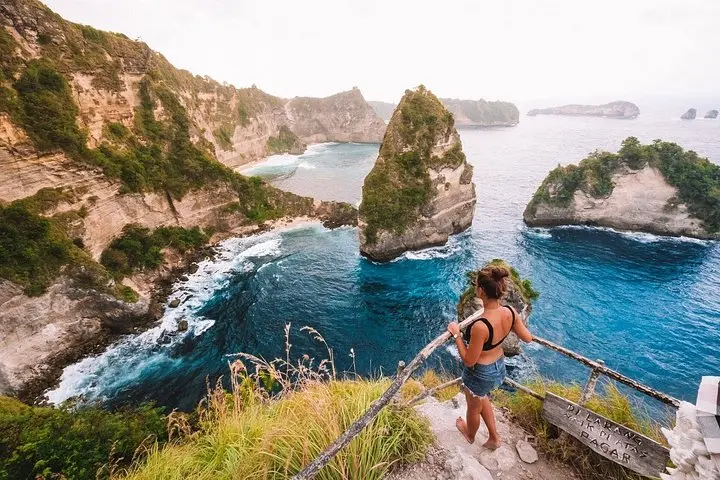
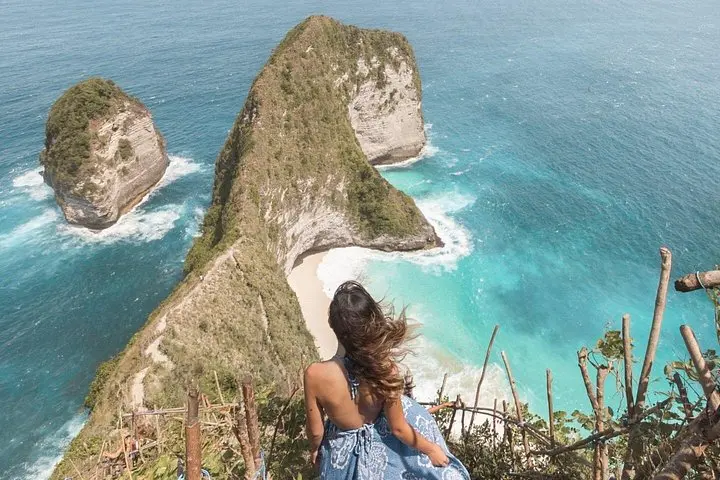
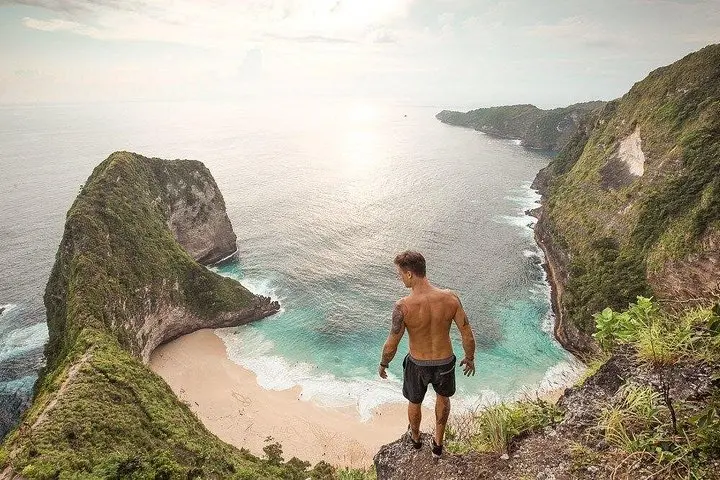
Salt spray and limestone cliffs open the day as you leave Sanur by speedboat, the Bali shoreline shrinking into a stitched ribbon. On Lembongan, mangroves and the iconic yellow bridge frame quiet waterways; by afternoon, Penida’s ragged cliffs and blue bays demand attention—Kelingking’s T-rex ridge drops 150–200 meters to a small beach, while Crystal Bay’s reef gleams offshore.
Verified experiences and guided adventures in the surrounding area.
Operated by Bamba Travel · Nusa Penida, Bali
Salt spray and limestone cliffs open the day as you leave Sanur by speedboat, the Bali shoreline shrinking into a stitched ribbon. On Lembongan, mangroves and the iconic yellow bridge frame quiet waterways; by afternoon, Penida’s ragged cliffs and blue bays demand attention—Kelingking’s T-rex ridge drops 150–200 meters to a small beach, while Crystal Bay’s reef gleams offshore.
Both islands are products of uplifted coral and volcanic deposits. Trails can switch from packed sand to eroded limestone steps in minutes; expect short, steep descents (often 100–300 meters of elevation change) and uneven coastal tracks. Cultural touchstones appear between viewpoints: small Hindu temples, local fishing hamlets, and Goa Giri Putri’s cave shrine where worshippers enter through a narrow mouth into a cavernous chamber.
Practicalities matter: transfers use speedboats (Sanur–Lembongan ~30–40 minutes, Lembongan–Penida ~15–25 minutes) and road surfaces on Penida are frequently rough—journeys of 20–60 minutes between sites are common. Days are best scheduled early to avoid midday heat and afternoon choppier seas.
Pack solid footwear for cliff trails, reef shoes for rocky swims, and a light rain layer during the wet season. Hydration and sun protection are non-negotiable; many viewpoints have no facilities. If you plan to climb down to beaches like Diamond or Atuh, allow extra time for the return climb and consider local guides for tricky descents.
This three-day loop balances island ecology, dramatic geology, and roadside culture—an accessible, active itinerary for travelers comfortable with bumpy roads and steep viewpoints.
Sanur to Lembongan is typically 30–40 minutes by speedboat; Lembongan to Penida is about 15–25 minutes depending on sea conditions.
Many beaches require steep descents and uneven steps—those with limited mobility should plan to enjoy viewpoints and accessible shorelines instead.
Guides are not mandatory but recommended for navigation, local insight, and safety on steep or remote trails.
The dry season (April–October) offers calmer seas and clearer skies, while the wet season brings heavier rains and choppier ocean conditions.
Bamba Travel operates guided outdoor trips and adventures with an emphasis on safety, stewardship, and memorable experiences.
Salt spray and limestone cliffs open the day as you leave Sanur by speedboat, the Bali shoreline shrinking into a stitched ribbon. On Lembongan, mangroves and the iconic yellow bridge frame quiet waterways; by afternoon, Penida’s ragged cliffs and blue bays demand attention—Kelingking’s T-rex ridge drops 150–200 meters to a small beach, while Crystal Bay’s reef gleams offshore.
Salt spray and limestone cliffs open the day as you leave Sanur by speedboat, the Bali shoreline shrinking into a stitched ribbon. On Lembongan, mangroves and the iconic yellow bridge frame quiet waterways; by afternoon, Penida’s ragged cliffs and blue bays demand attention—Kelingking’s T-rex ridge drops 150–200 meters to a small beach, while Crystal Bay’s reef gleams offshore.
Both islands are products of uplifted coral and volcanic deposits. Trails can switch from packed sand to eroded limestone steps in minutes; expect short, steep descents (often 100–300 meters of elevation change) and uneven coastal tracks. Cultural touchstones appear between viewpoints: small Hindu temples, local fishing hamlets, and Goa Giri Putri’s cave shrine where worshippers enter through a narrow mouth into a cavernous chamber.
Practicalities matter: transfers use speedboats (Sanur–Lembongan ~30–40 minutes, Lembongan–Penida ~15–25 minutes) and road surfaces on Penida are frequently rough—journeys of 20–60 minutes between sites are common. Days are best scheduled early to avoid midday heat and afternoon choppier seas.
Pack solid footwear for cliff trails, reef shoes for rocky swims, and a light rain layer during the wet season. Hydration and sun protection are non-negotiable; many viewpoints have no facilities. If you plan to climb down to beaches like Diamond or Atuh, allow extra time for the return climb and consider local guides for tricky descents.
This three-day loop balances island ecology, dramatic geology, and roadside culture—an accessible, active itinerary for travelers comfortable with bumpy roads and steep viewpoints.