THE ADVENTURE COLLECTIVE® · Independent discovery and booking for outdoor travel

A concise private 2–3 hour walk through forest and tea fields above Nuwara Eliya that ends with sweeping views over Gregory Lake. Ideal for travelers who want a short, non-touristy immersion in Sri Lanka’s hill country.
A concise private 2–3 hour walk through forest and tea fields above Nuwara Eliya that ends with sweeping views over Gregory Lake. Ideal for travelers who want a short, non-touristy immersion in Sri Lanka’s hill country.
You step off the vehicle into a cool slice of highland air; the hills inhale and the forest exhales around you. Footsteps fall onto damp earth, then open to a ribbon of tea—rows folding down the slope like a green tide—before the trail finishes with a wide view over Gregory Lake and the town below.
Verified experiences and guided adventures in the surrounding area.
Operated by Pigeons Nest Tours · Nuwara Eliya, Central Province
You step off the vehicle into a cool slice of highland air; the hills inhale and the forest exhales around you. Footsteps fall onto damp earth, then open to a ribbon of tea—rows folding down the slope like a green tide—before the trail finishes with a wide view over Gregory Lake and the town below.
The walk threads together layers of local history: British colonial-era plantations established in the 19th century, tea factories that reshaped the landscape, and hill-country villages where Tamil estate workers and Sinhalese vendors keep the daily rhythms. Geologically the Central Highlands are ancient crystalline rocks uplifted and weathered into steep valleys; soils here, rich and well-drained, make tea a dominant land use.
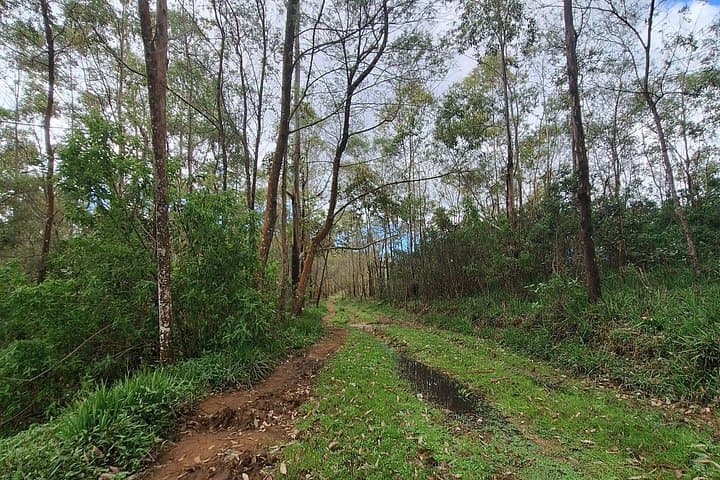
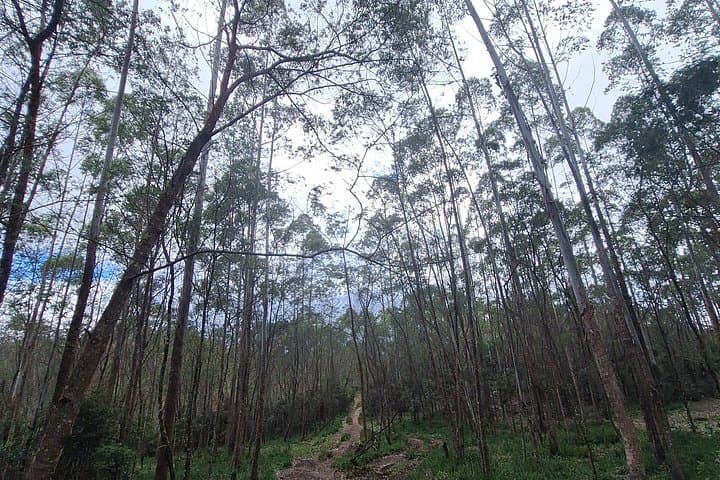
On this private 2–3 hour route you’ll pass forest trails and estate tracks rather than paved promenades; trees close in, leaves patter like commentary, and breezes along exposed ridges push you toward panoramas. The walk is short but requires steady footing—roots and wet clay can surprise.
Practical guidance: start mid-morning for clearer views, wear grippy shoes and a light rain layer, and take the bottled water included with the tour. Bring small-change for a village snack or a quick tea-tasting stop. Respect plantation boundaries—many lanes cross working land—and keep noise low to avoid disturbing foraging birds and langurs.
This is a compact, non-touristic way to feel the hill country: intimate, green, and shaped by both human hands and the slow patience of the mountains.
Yes—private pickup and drop-off are included as part of this tour.
The route is rated moderate: uneven ground and short ascents mean you should have a reasonable fitness level.
You may pass small estate operations and informal tea-processing points; formal factory visits depend on the guide and permissions.
Not recommended for travelers with serious spinal, heart, or pregnancy-related conditions due to uneven terrain and moderate exertion.
Pigeons Nest Tours operates guided outdoor trips and adventures with an emphasis on safety, stewardship, and memorable experiences.
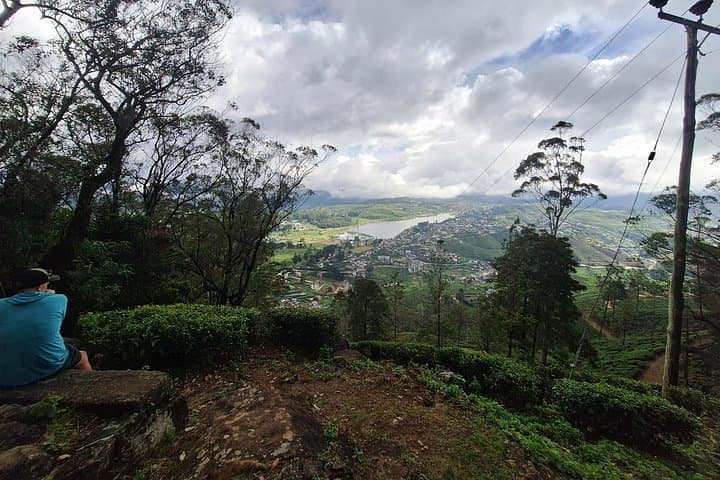
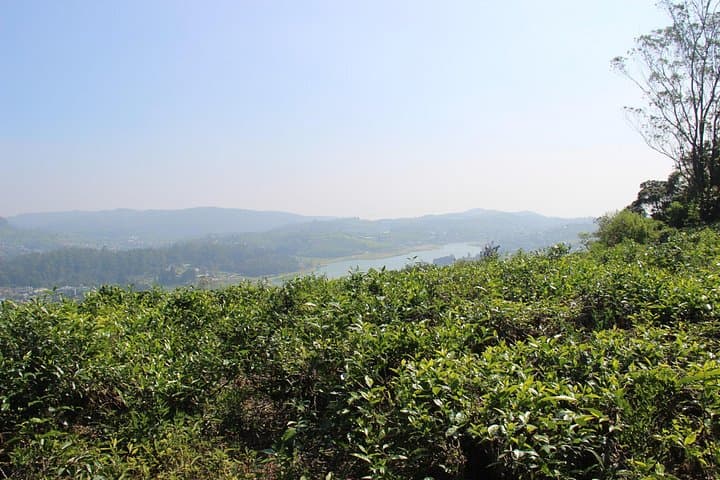
You step off the vehicle into a cool slice of highland air; the hills inhale and the forest exhales around you. Footsteps fall onto damp earth, then open to a ribbon of tea—rows folding down the slope like a green tide—before the trail finishes with a wide view over Gregory Lake and the town below.
You step off the vehicle into a cool slice of highland air; the hills inhale and the forest exhales around you. Footsteps fall onto damp earth, then open to a ribbon of tea—rows folding down the slope like a green tide—before the trail finishes with a wide view over Gregory Lake and the town below.
The walk threads together layers of local history: British colonial-era plantations established in the 19th century, tea factories that reshaped the landscape, and hill-country villages where Tamil estate workers and Sinhalese vendors keep the daily rhythms. Geologically the Central Highlands are ancient crystalline rocks uplifted and weathered into steep valleys; soils here, rich and well-drained, make tea a dominant land use.
On this private 2–3 hour route you’ll pass forest trails and estate tracks rather than paved promenades; trees close in, leaves patter like commentary, and breezes along exposed ridges push you toward panoramas. The walk is short but requires steady footing—roots and wet clay can surprise.
Practical guidance: start mid-morning for clearer views, wear grippy shoes and a light rain layer, and take the bottled water included with the tour. Bring small-change for a village snack or a quick tea-tasting stop. Respect plantation boundaries—many lanes cross working land—and keep noise low to avoid disturbing foraging birds and langurs.
This is a compact, non-touristic way to feel the hill country: intimate, green, and shaped by both human hands and the slow patience of the mountains.