THE ADVENTURE COLLECTIVE® · Independent discovery and booking for outdoor travel

Drive through cool, mist-swept tea terraces and watch Ceylon tea made by hand, then pause at Ramboda and Lover’s Leap waterfalls for dramatic photo stops. This private day tour pairs cultural insight with short nature walks suitable for most travelers.
Drive through cool, mist-swept tea terraces and watch Ceylon tea made by hand, then pause at Ramboda and Lover’s Leap waterfalls for dramatic photo stops. This private day tour pairs cultural insight with short nature walks suitable for most travelers.
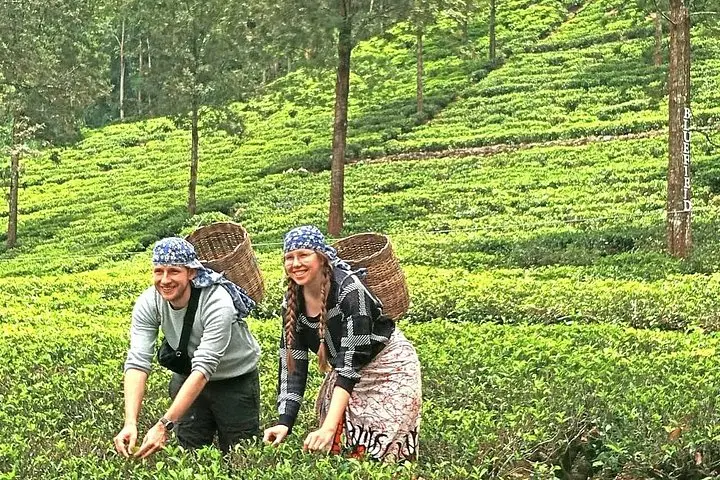
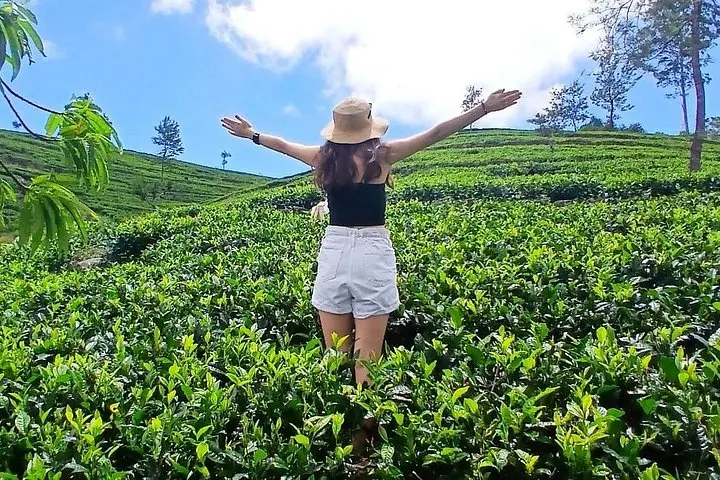
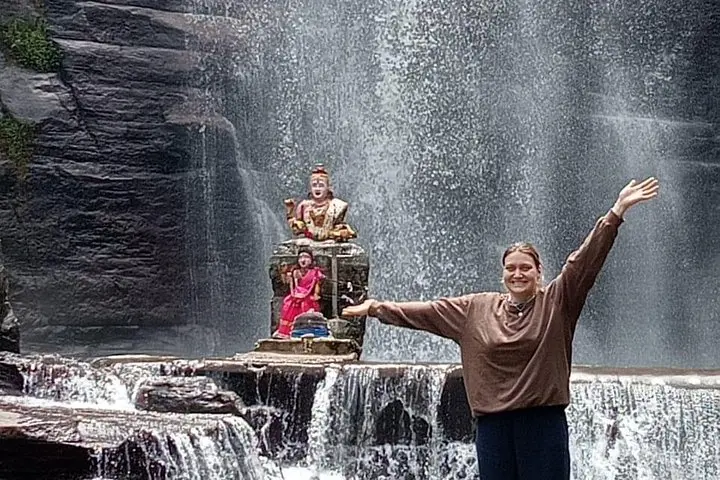
A cool mist brushes your face as the minivan climbs into Sri Lanka’s central highlands. Tea bushes roll away in clipped waves, and the scent of fresh-cut leaves mixes with the mineral tang of mountain air. This private day tour threads between historic tea factories and roadside cascades, offering close-up views of tea production and quick walks to Ramboda and Puna (Lover’s Leap) waterfalls.
Verified experiences and guided adventures in the surrounding area.
Operated by TRAVRI · Nuwara Eliya, Central Province
A cool mist brushes your face as the minivan climbs into Sri Lanka’s central highlands. Tea bushes roll away in clipped waves, and the scent of fresh-cut leaves mixes with the mineral tang of mountain air. This private day tour threads between historic tea factories and roadside cascades, offering close-up views of tea production and quick walks to Ramboda and Puna (Lover’s Leap) waterfalls.
The hill country’s tea story dates to the 19th-century colonial transition from coffee to tea; estates and factories still use a mix of traditional machinery and modern processing. Geologically, these slopes are ancient metamorphic rocks carved by heavy monsoon rains, creating steep valleys where waterfalls gather speed and plunge through cloud-wet gullies. Culturally, Nuwara Eliya carries “Little England” echoes—Victorian post offices, cool-weather crops, and a market life shaped by estate communities.
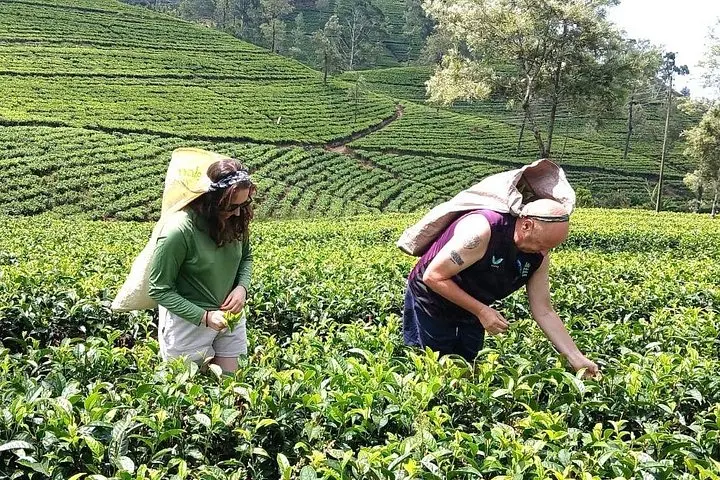
Expect guided factory tours that show plucking, withering, rolling and drying, followed by tastings in café lounges overlooking plantation terraces. Waterfall stops are short and photographic: roadside viewpoints and brief stair descents rather than long hikes, though some paths can be slippery after rain.
Practical tips: wear grippy shoes, bring a waterproof layer and a reusable bottle, and time the visit for morning light when clouds lift for clearer valley views. Photography is easy from viewpoints, but for up-close waterfall shots plan for slippery steps and modest climbs. The tour is accessible for most fitness levels and makes a compact, sensory-packed introduction to Sri Lanka’s tea culture and hill-country landscapes.
The tour runs about 6–7 hours (360–420 minutes) and typically starts in the morning to capture clearer views before afternoon clouds.
Yes—activity involves mostly short walks and viewpoints; infants should sit on laps and those with limited mobility should note some steps at lookout points.
Guided factory tours and complimentary tastings are included at the featured tea centers; check the itinerary for specifics on admission.
Yes—both Damro/Labookellie and Bluefield operate shops selling estate teas, tiffin blends, and packaged souvenirs.
TRAVRI operates guided outdoor trips and adventures with an emphasis on safety, stewardship, and memorable experiences.
A cool mist brushes your face as the minivan climbs into Sri Lanka’s central highlands. Tea bushes roll away in clipped waves, and the scent of fresh-cut leaves mixes with the mineral tang of mountain air. This private day tour threads between historic tea factories and roadside cascades, offering close-up views of tea production and quick walks to Ramboda and Puna (Lover’s Leap) waterfalls.
A cool mist brushes your face as the minivan climbs into Sri Lanka’s central highlands. Tea bushes roll away in clipped waves, and the scent of fresh-cut leaves mixes with the mineral tang of mountain air. This private day tour threads between historic tea factories and roadside cascades, offering close-up views of tea production and quick walks to Ramboda and Puna (Lover’s Leap) waterfalls.
The hill country’s tea story dates to the 19th-century colonial transition from coffee to tea; estates and factories still use a mix of traditional machinery and modern processing. Geologically, these slopes are ancient metamorphic rocks carved by heavy monsoon rains, creating steep valleys where waterfalls gather speed and plunge through cloud-wet gullies. Culturally, Nuwara Eliya carries “Little England” echoes—Victorian post offices, cool-weather crops, and a market life shaped by estate communities.
Expect guided factory tours that show plucking, withering, rolling and drying, followed by tastings in café lounges overlooking plantation terraces. Waterfall stops are short and photographic: roadside viewpoints and brief stair descents rather than long hikes, though some paths can be slippery after rain.
Practical tips: wear grippy shoes, bring a waterproof layer and a reusable bottle, and time the visit for morning light when clouds lift for clearer valley views. Photography is easy from viewpoints, but for up-close waterfall shots plan for slippery steps and modest climbs. The tour is accessible for most fitness levels and makes a compact, sensory-packed introduction to Sri Lanka’s tea culture and hill-country landscapes.