THE ADVENTURE COLLECTIVE® · Independent discovery and booking for outdoor travel

Join a three-hour village culinary tour in Nyakinama near Musanze to cook with locals, taste traditional banana beer and share food, dance and drumming. This hands-on experience blends market visits, cooking lessons and cultural exchange.
Join a three-hour village culinary tour in Nyakinama near Musanze to cook with locals, taste traditional banana beer and share food, dance and drumming. This hands-on experience blends market visits, cooking lessons and cultural exchange.
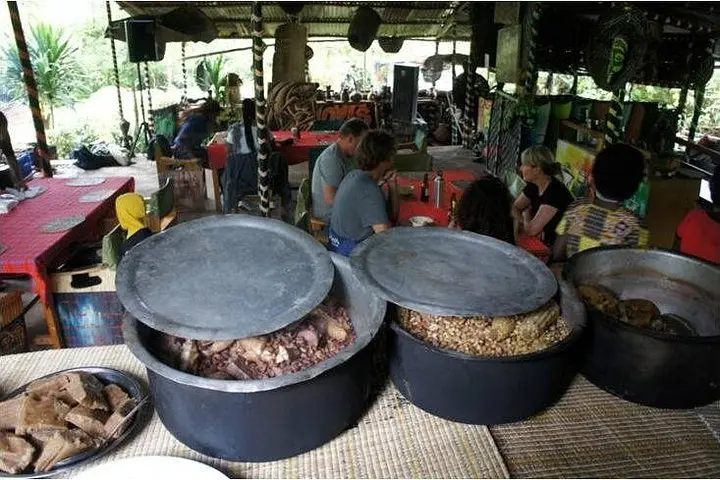
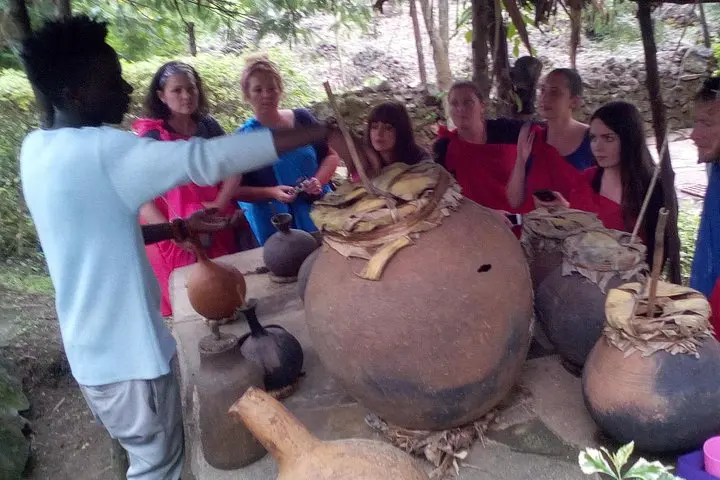
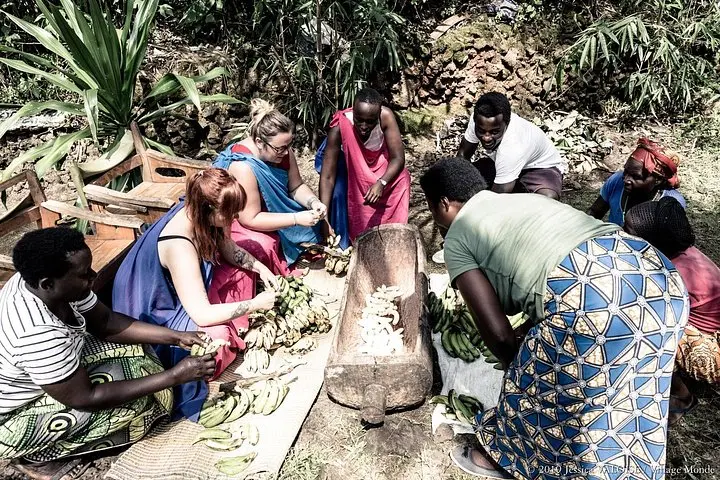
You arrive on a dusty path that opens onto a sunlit compound where banana trees hum softly in the breeze and smoke from a wood fire curls like a welcome. Locals in Nyakinama move deliberately between cooking pots and mortar-and-pestles; their hands measure, mash and stir with a rhythm that soon draws you in. The tour begins at the market stalls—green bananas stacked like armor—then winds into a hands-on session where you help pound cassava, slice greens and learn the slow art of brewing banana beer.
Verified experiences and guided adventures in the surrounding area.
Operated by Red Rocks Rwanda · Musanze, Northern Province
You arrive on a dusty path that opens onto a sunlit compound where banana trees hum softly in the breeze and smoke from a wood fire curls like a welcome. Locals in Nyakinama move deliberately between cooking pots and mortar-and-pestles; their hands measure, mash and stir with a rhythm that soon draws you in. The tour begins at the market stalls—green bananas stacked like armor—then winds into a hands-on session where you help pound cassava, slice greens and learn the slow art of brewing banana beer.
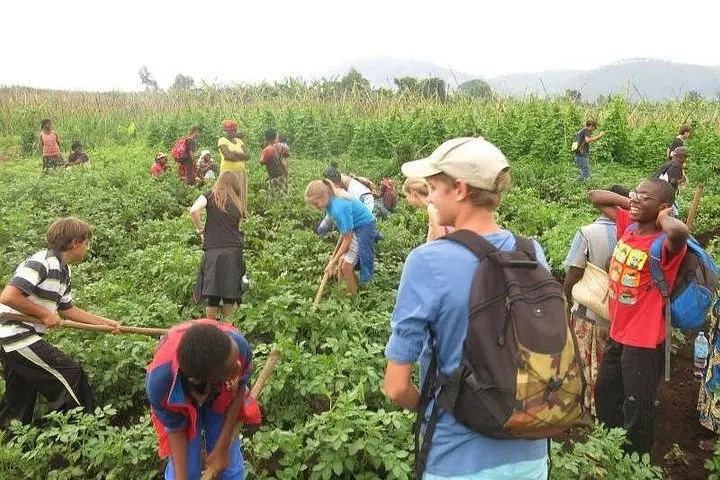
Northern Rwanda sits in the shadow of the Virunga volcanic range; volcanic soils feed the banana groves and shape local cuisine. Food here is cultural memory—techniques passed through generations, celebratory drumming, and communal plates that map family histories. Expect conversation about farming cycles, market trade and the role of brewing in social ceremonies.
Practically: the tour runs about three hours, is accessible to most people and often includes a shared lunch and dancing. Wear sturdy, closed-toe shoes for market alleys, bring a light rain layer during the wet season, and flag dietary needs in advance. Tasting banana beer is optional; the local brew ranges from mildly sweet to tangy and can be cloudy and potent. Cash is handy for small purchases and tipping performers.
This experience pairs cultural exchange with sensory learning—the smell of roasting plantain, the thwack of mortar, the warmth of a shared meal—and gives a clear, respectful window into village life for travelers seeking grounded, hands-on immersion.
Yes—traditional banana beer (urwagwa) is mildly to moderately alcoholic; strength varies by producer and drinking is optional.
The listing notes wheelchair accessibility, but ground conditions vary—confirm accessible routes and transport when booking.
Yes—most tours accommodate dietary needs if informed in advance so cooks can select suitable ingredients or modify dishes.
Not required; a small token or buying a local craft at the market is appreciated, and tipping performers or guides is a common courtesy.
Red Rocks Rwanda operates guided outdoor trips and adventures with an emphasis on safety, stewardship, and memorable experiences.
You arrive on a dusty path that opens onto a sunlit compound where banana trees hum softly in the breeze and smoke from a wood fire curls like a welcome. Locals in Nyakinama move deliberately between cooking pots and mortar-and-pestles; their hands measure, mash and stir with a rhythm that soon draws you in. The tour begins at the market stalls—green bananas stacked like armor—then winds into a hands-on session where you help pound cassava, slice greens and learn the slow art of brewing banana beer.
You arrive on a dusty path that opens onto a sunlit compound where banana trees hum softly in the breeze and smoke from a wood fire curls like a welcome. Locals in Nyakinama move deliberately between cooking pots and mortar-and-pestles; their hands measure, mash and stir with a rhythm that soon draws you in. The tour begins at the market stalls—green bananas stacked like armor—then winds into a hands-on session where you help pound cassava, slice greens and learn the slow art of brewing banana beer.
Northern Rwanda sits in the shadow of the Virunga volcanic range; volcanic soils feed the banana groves and shape local cuisine. Food here is cultural memory—techniques passed through generations, celebratory drumming, and communal plates that map family histories. Expect conversation about farming cycles, market trade and the role of brewing in social ceremonies.
Practically: the tour runs about three hours, is accessible to most people and often includes a shared lunch and dancing. Wear sturdy, closed-toe shoes for market alleys, bring a light rain layer during the wet season, and flag dietary needs in advance. Tasting banana beer is optional; the local brew ranges from mildly sweet to tangy and can be cloudy and potent. Cash is handy for small purchases and tipping performers.
This experience pairs cultural exchange with sensory learning—the smell of roasting plantain, the thwack of mortar, the warmth of a shared meal—and gives a clear, respectful window into village life for travelers seeking grounded, hands-on immersion.