THE ADVENTURE COLLECTIVE® · Independent discovery and booking for outdoor travel

Walk Grand Central to the Flatiron with a local architectural guide who blends Art Deco, Beaux-Arts and modern adaptive reuse into a compact, four-hour story of Manhattan. Includes subway navigation and help buying a MetroCard.
Walk Grand Central to the Flatiron with a local architectural guide who blends Art Deco, Beaux-Arts and modern adaptive reuse into a compact, four-hour story of Manhattan. Includes subway navigation and help buying a MetroCard.
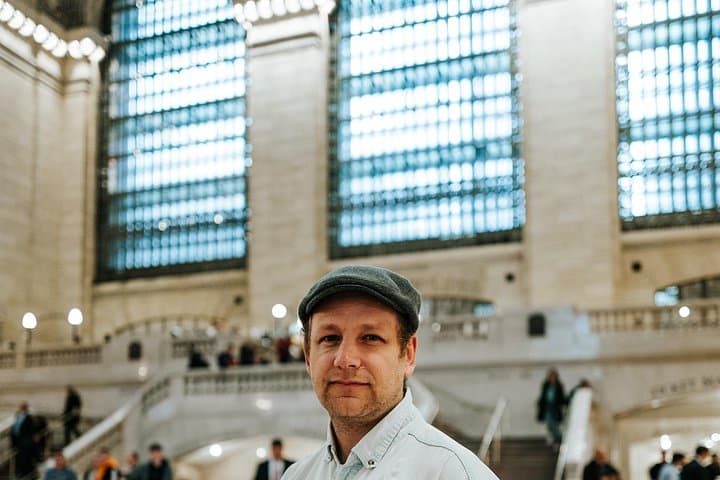
A morning at Grand Central opens like a civic breath: sunlight slices through the arched windows and commuters flow beneath the painted constellations of the great hall. On this private, four-hour loop, a guide steps forward with a practiced eye and a MetroCard tucked into their hand—an invitation to read Manhattan in stone, steel and slate. The route threads midtown’s corporate grandeur and inventive urbanism, trading a slow, detailed gaze for the city’s usual blur.
Verified experiences and guided adventures in the surrounding area.
Operated by Spread Love Tours · New York, NY
A morning at Grand Central opens like a civic breath: sunlight slices through the arched windows and commuters flow beneath the painted constellations of the great hall. On this private, four-hour loop, a guide steps forward with a practiced eye and a MetroCard tucked into their hand—an invitation to read Manhattan in stone, steel and slate. The route threads midtown’s corporate grandeur and inventive urbanism, trading a slow, detailed gaze for the city’s usual blur.
The tour stitches together distinct architectural eras. Grand Central’s Beaux-Arts volutes and vaulted ceiling give way to the Chrysler Building’s stainless-steel crown—an Art Deco flourish that once dared the skyline to outshine it. Passing the Metropolitan Life Tower and Rockefeller Center, the narrative shifts from private wealth to civic ambition: how financiers, insurers and planners layered the island with competing programs of power. The New York Public Library, with its lion guardians, anchors an early-20th-century belief in public knowledge; farther downtown the High Line shows how infrastructure can be reclaimed into a linear park, changing how edges of the city are used and seen.
Geology here is urban: Manhattan’s schist and bedrock determined where skyscrapers anchor, while the Hudson leans in as an invisible partner to commerce and design. Guides often point out structural traces—setbacks, spandrels, ornament—as clues to zoning laws and economic cycles. Cultural context arrives in quick, human beats: immigrant craftsmen who cut terra cotta facades, the WPA-era projects that funded public art, and the preservation fights that saved key landmarks.
Practically, the tour is less a hike than an urban expedition. Expect roughly 2–3 miles of walking interspersed with short subway hops; sidewalks, plaza steps and occasional stairways are part of the terrain. The guide assists with purchasing a MetroCard and with navigating routes, making it accessible for travelers who aren’t subway-savvy. Midday provides strong light for façades, but early starts avoid tour groups and lunchtime crowds around Rockefeller and Bryant Park.
For visitors who want a readable, tightly paced exploration of New York’s built environment, this private option delivers stories and context alongside practical help. Comfortable walking shoes, a lightweight rain layer, and a charged phone for maps are the only real requirements. The tour finishes at the Flatiron, where the wedge-shaped building still forces the avenue grid to bend its logic—an apt ending to four hours of architectural detective work that explains not only how the city looks, but why it became that way.
The guide can assist in purchasing a MetroCard; visitors with contactless payment (OMNY) can also ride subways without a physical card.
Expect approximately 2–3 miles of walking spread over the four-hour tour, with short subway segments between major sites.
Many areas visited are wheelchair accessible but some subway stations have stairs—inform the provider when booking to arrange the most accessible route.
The tour focuses on exterior architecture and public spaces; any building admissions (e.g., observation decks) are optional and not included.
This is a private tour and the guide will tailor stops to guest interests within the four-hour timeframe—mention preferences at booking.
Tours are provided in English; ask the supplier about other language options when booking.
Spread Love Tours operates guided outdoor trips and adventures with an emphasis on safety, stewardship, and memorable experiences.


A morning at Grand Central opens like a civic breath: sunlight slices through the arched windows and commuters flow beneath the painted constellations of the great hall. On this private, four-hour loop, a guide steps forward with a practiced eye and a MetroCard tucked into their hand—an invitation to read Manhattan in stone, steel and slate. The route threads midtown’s corporate grandeur and inventive urbanism, trading a slow, detailed gaze for the city’s usual blur.
A morning at Grand Central opens like a civic breath: sunlight slices through the arched windows and commuters flow beneath the painted constellations of the great hall. On this private, four-hour loop, a guide steps forward with a practiced eye and a MetroCard tucked into their hand—an invitation to read Manhattan in stone, steel and slate. The route threads midtown’s corporate grandeur and inventive urbanism, trading a slow, detailed gaze for the city’s usual blur.
The tour stitches together distinct architectural eras. Grand Central’s Beaux-Arts volutes and vaulted ceiling give way to the Chrysler Building’s stainless-steel crown—an Art Deco flourish that once dared the skyline to outshine it. Passing the Metropolitan Life Tower and Rockefeller Center, the narrative shifts from private wealth to civic ambition: how financiers, insurers and planners layered the island with competing programs of power. The New York Public Library, with its lion guardians, anchors an early-20th-century belief in public knowledge; farther downtown the High Line shows how infrastructure can be reclaimed into a linear park, changing how edges of the city are used and seen.
Geology here is urban: Manhattan’s schist and bedrock determined where skyscrapers anchor, while the Hudson leans in as an invisible partner to commerce and design. Guides often point out structural traces—setbacks, spandrels, ornament—as clues to zoning laws and economic cycles. Cultural context arrives in quick, human beats: immigrant craftsmen who cut terra cotta facades, the WPA-era projects that funded public art, and the preservation fights that saved key landmarks.
Practically, the tour is less a hike than an urban expedition. Expect roughly 2–3 miles of walking interspersed with short subway hops; sidewalks, plaza steps and occasional stairways are part of the terrain. The guide assists with purchasing a MetroCard and with navigating routes, making it accessible for travelers who aren’t subway-savvy. Midday provides strong light for façades, but early starts avoid tour groups and lunchtime crowds around Rockefeller and Bryant Park.
For visitors who want a readable, tightly paced exploration of New York’s built environment, this private option delivers stories and context alongside practical help. Comfortable walking shoes, a lightweight rain layer, and a charged phone for maps are the only real requirements. The tour finishes at the Flatiron, where the wedge-shaped building still forces the avenue grid to bend its logic—an apt ending to four hours of architectural detective work that explains not only how the city looks, but why it became that way.