THE ADVENTURE COLLECTIVE® · Independent discovery and booking for outdoor travel

A full‑day, action-packed circle-island tour that pairs scenic lookouts and plantation stops with a guided turtle snorkel near Haleiwa. Perfect for travelers who want one-day coverage of Oahu’s coastal highlights with local context and easy logistics.
A full‑day, action-packed circle-island tour that pairs scenic lookouts and plantation stops with a guided turtle snorkel near Haleiwa. Perfect for travelers who want one-day coverage of Oahu’s coastal highlights with local context and easy logistics.
The bus eases out of Waikiki before sunrise and the island opens up like a map you can step into. Sea spray from the windward shore perfumes the air; the Koʻolau cliffs throw deep shadows across the road while the driver calls out the first lookout—Diamond Head—where early light gilds surfers and distant islands. It’s a long day that moves fast: plantation rows, blowholes, a legendary lookout, a North Shore lunch, and ultimately, snorkeling alongside placid green sea turtles.
Verified experiences and guided adventures in the surrounding area.
Operated by Oahu Circle Island Snorkel Tour · Honolulu, Hawaii
The bus eases out of Waikiki before sunrise and the island opens up like a map you can step into. Sea spray from the windward shore perfumes the air; the Koʻolau cliffs throw deep shadows across the road while the driver calls out the first lookout—Diamond Head—where early light gilds surfers and distant islands. It’s a long day that moves fast: plantation rows, blowholes, a legendary lookout, a North Shore lunch, and ultimately, snorkeling alongside placid green sea turtles.
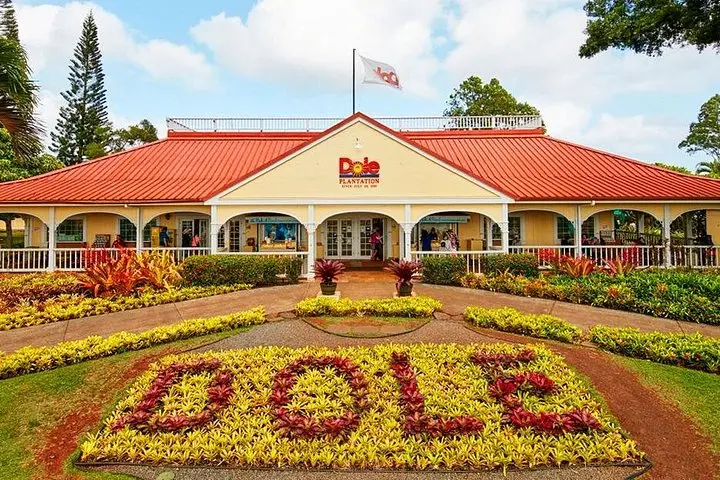
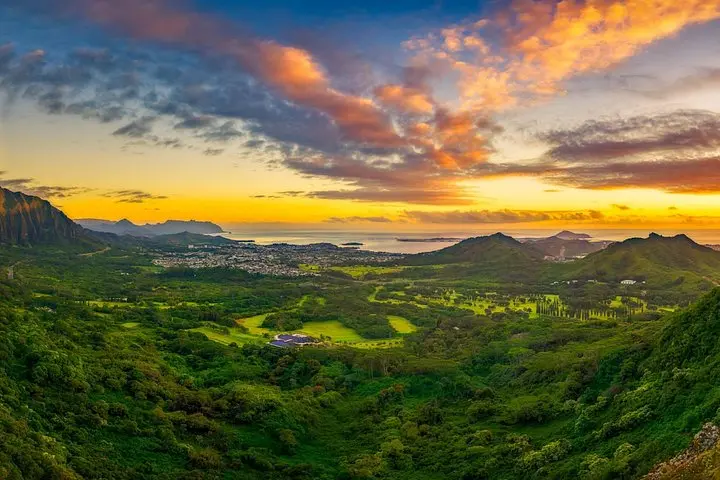
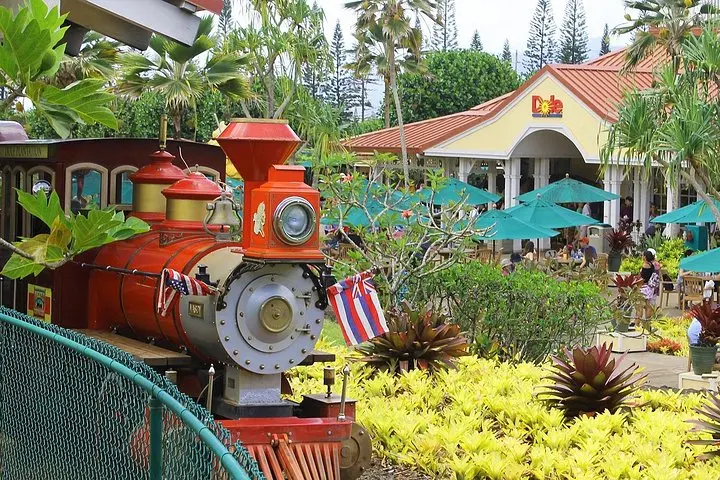
This is a modern circle-island ritual with roots in Oahu’s layered past. The Nuuanu Pali Lookout—one of the tour’s historic stops—was the scene of the 1795 battle that helped unify the islands under Kamehameha I. Agricultural history appears at Dole Plantation, where pineapple acreage and the later macadamia farms transformed plantation-era land use and shaped local communities.
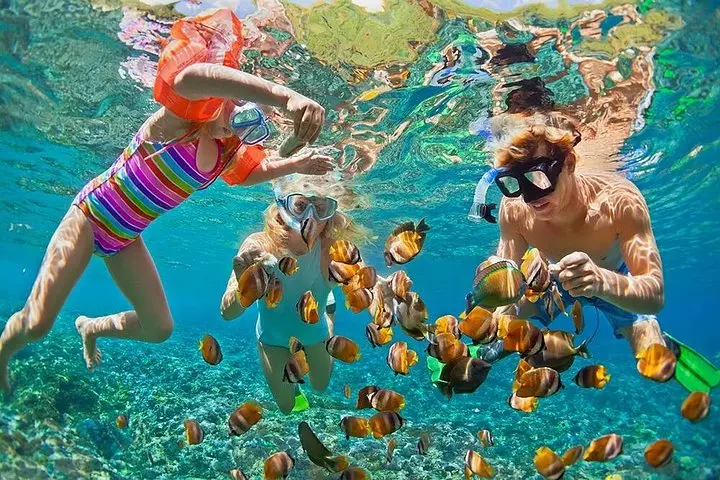
Geology is on parade too. Halona Blowhole and the nearby Eternity Beach were carved by lava flows and wave-driven erosion; Mokoliʻi (Chinaman’s Hat) stands offshore as a remnant volcanic plug. The reef ecosystems around Haleiwa developed on ancient lava and coral skeletons, hosting fish, coral, and the honu—the green sea turtle—that draw snorkelers year-round.
Culture shows up between stops: coffee farmers pouring Kona samples, food-truck kitchens turning out garlic shrimp, and small roadside stands offering lychee, lilikoi and other tropical surprises. Tour guides often weave local stories into the route—about surf culture on the North Shore, plantation labor history, and the aloha etiquette that protects sacred sites and sea life.
Practical side: this is a full-day outing—expect 10–12 hours including bus transfers and about 60–90 minutes of guided snorkeling. Snorkel equipment and life jackets are provided; guides lead a safety briefing and lifeguards are onsite at the turtle stop. Wear a swimsuit under quick-dry clothing, bring reef-safe sunscreen, a hat, and a reusable water bottle (the tour provides bottled water and snacks). If you’re prone to seasickness, take preventative meds before departure—the snorkeling spot is shallow but exposed to swells.
Timing matters: early departures catch softer light and lighter traffic; midweek tours are less crowded. The tour is family-friendly and suitable for most fitness levels, but guests should be able to climb in and out of water and walk short beach approaches. Leave time after the tour for a slower evening in Waikiki—this route gives you an island-long primer on Oahu’s natural theatre and lived culture, with practical access to the places people travel here to see.
Yes — masks, snorkels and life jackets are provided and sanitized; guides will give a safety briefing before water entry.
Yes — the snorkeling stop is guided with lifeguards on duty and is suitable for first‑time snorkelers who are comfortable in shallow water.
Turtles are common at the Haleiwa snorkeling spot, but sightings are not guaranteed; guides choose spots based on recent local sightings and conditions.
Yes — the itinerary includes a lunch stop with food trucks and restroom access as well as shorter stops with facilities along the route.
Pickup occurs at specified Waikiki locations (four primary pickup points). After booking you’ll receive confirmation with exact pickup time and meeting point via the vendor’s reservation system.
Standard policy: full refund if cancelled at least 24 hours before departure; no refund for cancellations within 24 hours. Tours may be cancelled for weather or low participation with full refunds.
Oahu Circle Island Snorkel Tour operates guided outdoor trips and adventures with an emphasis on safety, stewardship, and memorable experiences.
The bus eases out of Waikiki before sunrise and the island opens up like a map you can step into. Sea spray from the windward shore perfumes the air; the Koʻolau cliffs throw deep shadows across the road while the driver calls out the first lookout—Diamond Head—where early light gilds surfers and distant islands. It’s a long day that moves fast: plantation rows, blowholes, a legendary lookout, a North Shore lunch, and ultimately, snorkeling alongside placid green sea turtles.
The bus eases out of Waikiki before sunrise and the island opens up like a map you can step into. Sea spray from the windward shore perfumes the air; the Koʻolau cliffs throw deep shadows across the road while the driver calls out the first lookout—Diamond Head—where early light gilds surfers and distant islands. It’s a long day that moves fast: plantation rows, blowholes, a legendary lookout, a North Shore lunch, and ultimately, snorkeling alongside placid green sea turtles.
This is a modern circle-island ritual with roots in Oahu’s layered past. The Nuuanu Pali Lookout—one of the tour’s historic stops—was the scene of the 1795 battle that helped unify the islands under Kamehameha I. Agricultural history appears at Dole Plantation, where pineapple acreage and the later macadamia farms transformed plantation-era land use and shaped local communities.
Geology is on parade too. Halona Blowhole and the nearby Eternity Beach were carved by lava flows and wave-driven erosion; Mokoliʻi (Chinaman’s Hat) stands offshore as a remnant volcanic plug. The reef ecosystems around Haleiwa developed on ancient lava and coral skeletons, hosting fish, coral, and the honu—the green sea turtle—that draw snorkelers year-round.
Culture shows up between stops: coffee farmers pouring Kona samples, food-truck kitchens turning out garlic shrimp, and small roadside stands offering lychee, lilikoi and other tropical surprises. Tour guides often weave local stories into the route—about surf culture on the North Shore, plantation labor history, and the aloha etiquette that protects sacred sites and sea life.
Practical side: this is a full-day outing—expect 10–12 hours including bus transfers and about 60–90 minutes of guided snorkeling. Snorkel equipment and life jackets are provided; guides lead a safety briefing and lifeguards are onsite at the turtle stop. Wear a swimsuit under quick-dry clothing, bring reef-safe sunscreen, a hat, and a reusable water bottle (the tour provides bottled water and snacks). If you’re prone to seasickness, take preventative meds before departure—the snorkeling spot is shallow but exposed to swells.
Timing matters: early departures catch softer light and lighter traffic; midweek tours are less crowded. The tour is family-friendly and suitable for most fitness levels, but guests should be able to climb in and out of water and walk short beach approaches. Leave time after the tour for a slower evening in Waikiki—this route gives you an island-long primer on Oahu’s natural theatre and lived culture, with practical access to the places people travel here to see.