THE ADVENTURE COLLECTIVE® · Independent discovery and booking for outdoor travel

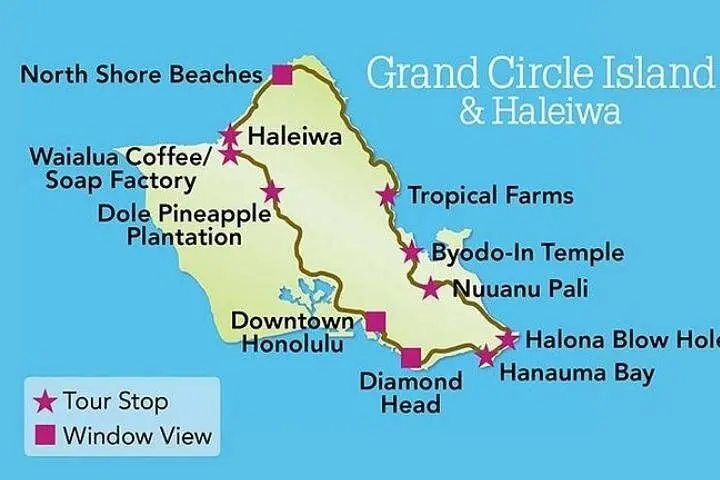
Spend a full day circling Oahu from Waikiki to the North Shore: volcanic ridgelines, surf beaches, a serene Japanese temple and a Dole plantation stop—all in a guided, hassle-free tour. Ideal for first-time visitors and short-stay travelers.
Spend a full day circling Oahu from Waikiki to the North Shore: volcanic ridgelines, surf beaches, a serene Japanese temple and a Dole plantation stop—all in a guided, hassle-free tour. Ideal for first-time visitors and short-stay travelers.
You step into the cool wash of ocean air at the Royal Hawaiian valet, and the island unfurls like a well-worn map: Diamond Head’s extinct cone at the skyline, the Pacific pressing against lava-sculpted cliffs, and a line of surfers queuing the North Shore’s famous breaks. The guide greets the group, doors close, and for the next six to eight hours the island becomes a moving story—one scenic window after another, punctuated with short, purposeful stops.
Verified experiences and guided adventures in the surrounding area.
Operated by OrigamiTours · Honolulu, Hawaii
You step into the cool wash of ocean air at the Royal Hawaiian valet, and the island unfurls like a well-worn map: Diamond Head’s extinct cone at the skyline, the Pacific pressing against lava-sculpted cliffs, and a line of surfers queuing the North Shore’s famous breaks. The guide greets the group, doors close, and for the next six to eight hours the island becomes a moving story—one scenic window after another, punctuated with short, purposeful stops.
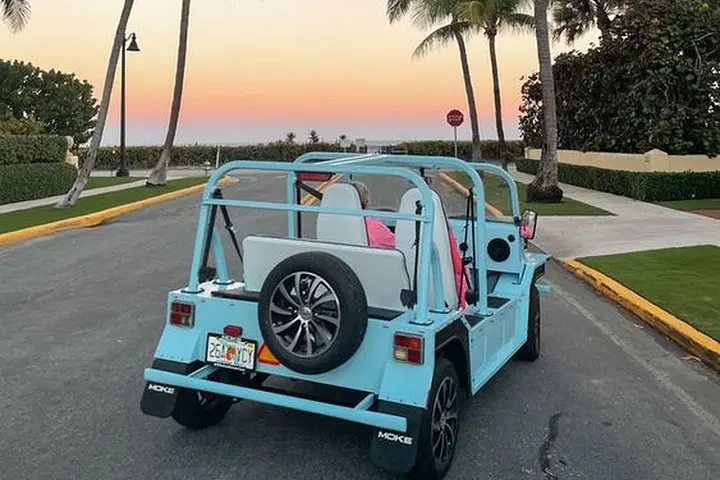
This loop around Oahu threads geology, culture and modern aloha. Diamond Head is the island’s weathered volcanic rim—an easy visual lesson in how basalt and ash formed the ridgelines that funnel trade winds and shape the coastline. On the windward side you’ll see the steep Koolau cliffs where ancient streams carved valleys now cloaked in rainforest. The North Shore reads like surf history: small beach towns, late-model woodie wagons, and summer waves that have defined professional surfing for decades.
Between vistas, the tour folds in cultural stops: the Byodo-In Temple, a 20th-century replica honoring Japanese influence in Hawaii; Dole Plantation, where pineapple cultivation rewired the island economy and helped turn Oahu into a 20th-century agricultural engine; and Haleiwa, a town where local shops and plate-lunch counters still set the tempo.
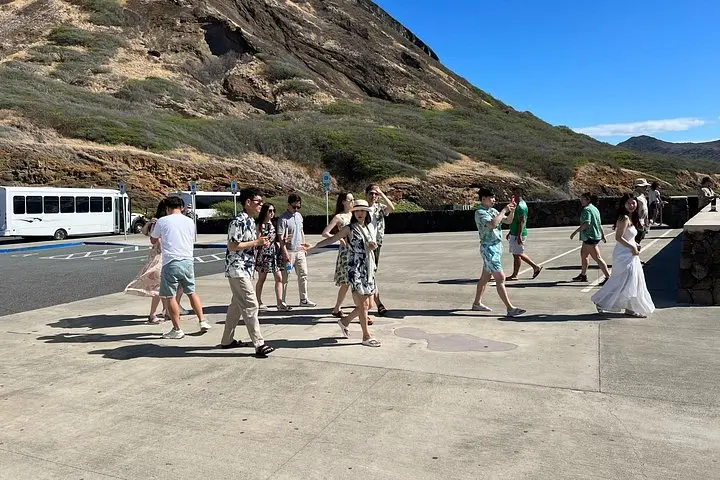
The itinerary is deliberately pragmatic. Expect long runs between viewpoints with guided narration—history, geology, and practical local tips—then three to four short stops (10–60 minutes) to stretch legs, snap photos, and sample snacks. Hanauma Bay is viewed from the road unless you opt to return another day—note it closes Tuesdays and limits visitor numbers as part of a preservation program. The Halona Blowhole is a dramatic 10-minute stop: the ocean forces water through lava tubes and spits a spray skyward, but stay behind safety rails—waves can surge unpredictably.
Tips for planning: arrive at the meeting point at least 15 minutes early; have reef-safe sunscreen and a hat within reach; bring cash or a card for DoleWhip and small shops in Haleiwa. Comfortable shoes and a light rain jacket are smart—trade winds can shift and brief showers are common. The tour is rated easy on fitness but expect lots of standing and short walk-offs the bus.
Why take it? If you have a single day on Oahu, this is a concentrated primer: sweeping coastal panoramas, cultural touchpoints, and a sense of surf lore, all delivered with the logistics handled. For photographers and first-time visitors it’s an efficient, scenic orientation—one that leaves you with the practical knowledge to return and explore favorites in depth.
The tour runs approximately 6–8 hours (360–480 minutes), depending on traffic and stop durations.
Yes—pickup from designated Honolulu/Waikiki hotels is included; arrive at least 15 minutes early.
No. Most stops are viewpoint visits; paid entries (e.g., Hanauma Bay) are not included and often require separate reservations.
Swimming is not part of the standard itinerary; if you wish to swim, plan extra time before/after the tour and check local conditions and restrictions.
Yes—suitable for all ages, but infants must sit on a lap; strollers may be awkward at short stops.
Light snacks are provided (water, fruit); bring extra water and a refillable bottle if you prefer more food or specific dietary items.
OrigamiTours operates guided outdoor trips and adventures with an emphasis on safety, stewardship, and memorable experiences.
You step into the cool wash of ocean air at the Royal Hawaiian valet, and the island unfurls like a well-worn map: Diamond Head’s extinct cone at the skyline, the Pacific pressing against lava-sculpted cliffs, and a line of surfers queuing the North Shore’s famous breaks. The guide greets the group, doors close, and for the next six to eight hours the island becomes a moving story—one scenic window after another, punctuated with short, purposeful stops.
You step into the cool wash of ocean air at the Royal Hawaiian valet, and the island unfurls like a well-worn map: Diamond Head’s extinct cone at the skyline, the Pacific pressing against lava-sculpted cliffs, and a line of surfers queuing the North Shore’s famous breaks. The guide greets the group, doors close, and for the next six to eight hours the island becomes a moving story—one scenic window after another, punctuated with short, purposeful stops.
This loop around Oahu threads geology, culture and modern aloha. Diamond Head is the island’s weathered volcanic rim—an easy visual lesson in how basalt and ash formed the ridgelines that funnel trade winds and shape the coastline. On the windward side you’ll see the steep Koolau cliffs where ancient streams carved valleys now cloaked in rainforest. The North Shore reads like surf history: small beach towns, late-model woodie wagons, and summer waves that have defined professional surfing for decades.
Between vistas, the tour folds in cultural stops: the Byodo-In Temple, a 20th-century replica honoring Japanese influence in Hawaii; Dole Plantation, where pineapple cultivation rewired the island economy and helped turn Oahu into a 20th-century agricultural engine; and Haleiwa, a town where local shops and plate-lunch counters still set the tempo.
The itinerary is deliberately pragmatic. Expect long runs between viewpoints with guided narration—history, geology, and practical local tips—then three to four short stops (10–60 minutes) to stretch legs, snap photos, and sample snacks. Hanauma Bay is viewed from the road unless you opt to return another day—note it closes Tuesdays and limits visitor numbers as part of a preservation program. The Halona Blowhole is a dramatic 10-minute stop: the ocean forces water through lava tubes and spits a spray skyward, but stay behind safety rails—waves can surge unpredictably.
Tips for planning: arrive at the meeting point at least 15 minutes early; have reef-safe sunscreen and a hat within reach; bring cash or a card for DoleWhip and small shops in Haleiwa. Comfortable shoes and a light rain jacket are smart—trade winds can shift and brief showers are common. The tour is rated easy on fitness but expect lots of standing and short walk-offs the bus.
Why take it? If you have a single day on Oahu, this is a concentrated primer: sweeping coastal panoramas, cultural touchpoints, and a sense of surf lore, all delivered with the logistics handled. For photographers and first-time visitors it’s an efficient, scenic orientation—one that leaves you with the practical knowledge to return and explore favorites in depth.