THE ADVENTURE COLLECTIVE® · Independent discovery and booking for outdoor travel

Ride from New Orleans to Oak Alley Plantation for a guided walking tour through the iconic oak-lined avenue and a historic Greek Revival manor. Learn plantation history—including the lives of the enslaved people who worked here—while enjoying riverside views and curated exhibits.
Ride from New Orleans to Oak Alley Plantation for a guided walking tour through the iconic oak-lined avenue and a historic Greek Revival manor. Learn plantation history—including the lives of the enslaved people who worked here—while enjoying riverside views and curated exhibits.
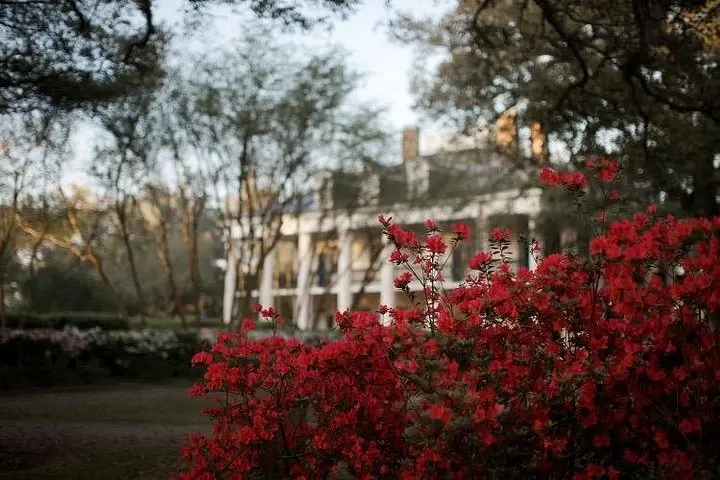
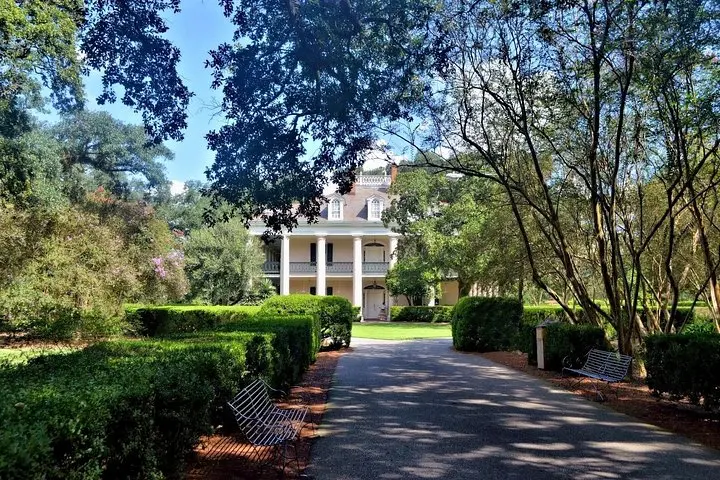
You step off the van and the avenue of live oaks meets you like an old guard—28 columnar trees that curve overhead and press a quiet, green canopy across the road. The Mississippi glints nearby, a slow-moving presence that has shaped the land and the lives that worked it.
Verified experiences and guided adventures in the surrounding area.
Operated by Nawlins Luxury Tours · Vacherie, Louisiana
You step off the van and the avenue of live oaks meets you like an old guard—28 columnar trees that curve overhead and press a quiet, green canopy across the road. The Mississippi glints nearby, a slow-moving presence that has shaped the land and the lives that worked it.
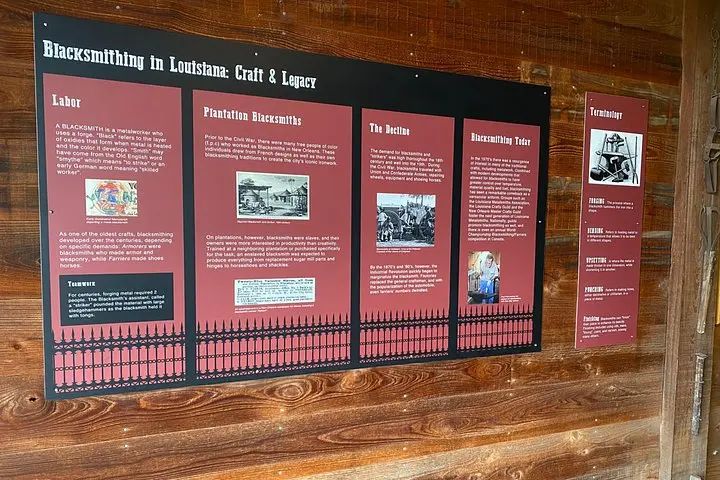
Oak Alley’s 19th-century Greek Revival house sits at the end of that alley, its broad columns and high ceilings pointing to the wealth generated by antebellum sugar cultivation. The plantation’s history is layered: elegant interiors and machine exhibits speak to plantation economy and design, while the on-site Slavery at Oak Alley exhibit documents the lived experience of those enslaved here from about 1835 through the Civil War. Nearby features—the Blacksmith Shop House and Sugar Cane Theater—explain agricultural techniques and the region’s relationship to sugar. Geologically, the flat alluvial plain of the Mississippi River makes the ground fertile and easy to cultivate, which is why plantations concentrated here.
Expect a guided walking tour across lawns, porches, and museum spaces; a traditionally dressed guide will narrate architecture, labor history, and the site’s more difficult stories with context. The river’s edge and oak alley create photogenic moments, but the site also asks for respectful behavior around interpretive exhibits and marked areas.
Practical guidance: tours run about 5–6 hours including transport from New Orleans; bring sun protection, water, and comfortable shoes for uneven surfaces. If rain appears, the site operates in most weather—pack a light rain shell. Allow time at the gift shop and the onsite restaurant if you want a fuller visit.
Yes—this tour includes pickup and drop-off from New Orleans accommodations; you’ll provide your hotel information at booking.
The site notes stroller access and a moderate amount of walking; some historic rooms and exterior paths may have steps—check ahead for specific accessibility needs.
Typical on-site time is about two hours within the total 5–6 hour excursion, with guided stops at the house, exhibits, and gardens.
Oak Alley has a restaurant and restrooms on site; bringing snacks is fine but follow site rules about litter and restricted areas.
Nawlins Luxury Tours operates guided outdoor trips and adventures with an emphasis on safety, stewardship, and memorable experiences.

You step off the van and the avenue of live oaks meets you like an old guard—28 columnar trees that curve overhead and press a quiet, green canopy across the road. The Mississippi glints nearby, a slow-moving presence that has shaped the land and the lives that worked it.
You step off the van and the avenue of live oaks meets you like an old guard—28 columnar trees that curve overhead and press a quiet, green canopy across the road. The Mississippi glints nearby, a slow-moving presence that has shaped the land and the lives that worked it.
Oak Alley’s 19th-century Greek Revival house sits at the end of that alley, its broad columns and high ceilings pointing to the wealth generated by antebellum sugar cultivation. The plantation’s history is layered: elegant interiors and machine exhibits speak to plantation economy and design, while the on-site Slavery at Oak Alley exhibit documents the lived experience of those enslaved here from about 1835 through the Civil War. Nearby features—the Blacksmith Shop House and Sugar Cane Theater—explain agricultural techniques and the region’s relationship to sugar. Geologically, the flat alluvial plain of the Mississippi River makes the ground fertile and easy to cultivate, which is why plantations concentrated here.
Expect a guided walking tour across lawns, porches, and museum spaces; a traditionally dressed guide will narrate architecture, labor history, and the site’s more difficult stories with context. The river’s edge and oak alley create photogenic moments, but the site also asks for respectful behavior around interpretive exhibits and marked areas.
Practical guidance: tours run about 5–6 hours including transport from New Orleans; bring sun protection, water, and comfortable shoes for uneven surfaces. If rain appears, the site operates in most weather—pack a light rain shell. Allow time at the gift shop and the onsite restaurant if you want a fuller visit.