THE ADVENTURE COLLECTIVE® · Independent discovery and booking for outdoor travel

Explore Oakham at your own pace on a private 2–4 hour walking tour that covers the Norman castle, All Saints Church, the Buttermarket and local foodie stops. Ideal for history buffs and curious foodies looking to get off the beaten track.
Explore Oakham at your own pace on a private 2–4 hour walking tour that covers the Norman castle, All Saints Church, the Buttermarket and local foodie stops. Ideal for history buffs and curious foodies looking to get off the beaten track.
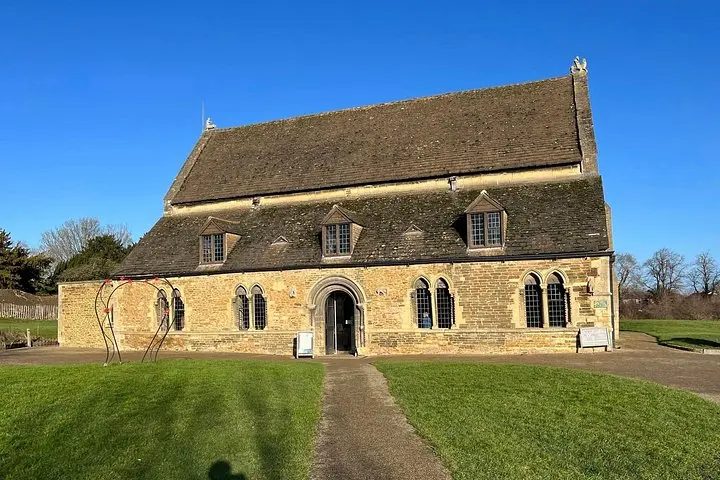
Morning light slants across Oakham’s market square as the town pulls on its quiet Sunday rhythm—cobblestones cool beneath your feet, the castle’s Norman walls casting long shadows, and the distant call of gulls above the River Gwash. This private walking tour threads those streets at your pace, moving from the great hall with its famous horseshoes to the buttermarket, through lanes that still hold medieval stone and civic memory.
Verified experiences and guided adventures in the surrounding area.
Operated by Ye Olde England Tours · Oakham, Rutland
Morning light slants across Oakham’s market square as the town pulls on its quiet Sunday rhythm—cobblestones cool beneath your feet, the castle’s Norman walls casting long shadows, and the distant call of gulls above the River Gwash. This private walking tour threads those streets at your pace, moving from the great hall with its famous horseshoes to the buttermarket, through lanes that still hold medieval stone and civic memory.
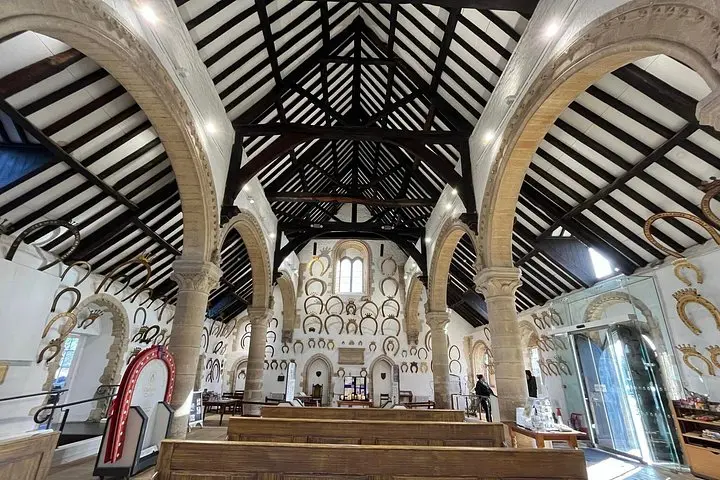
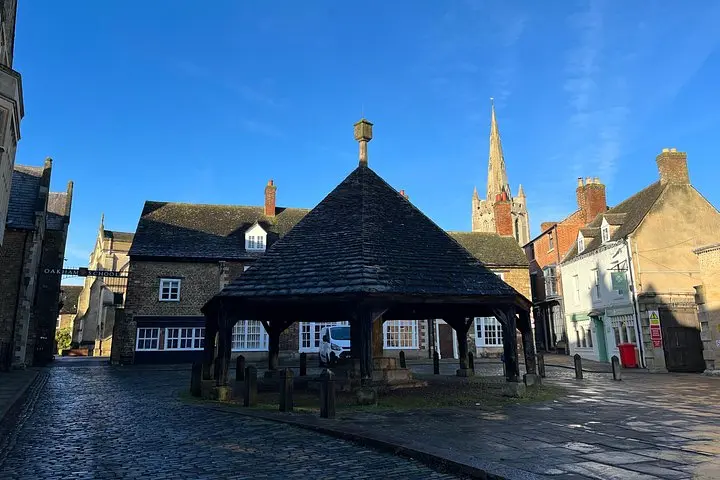
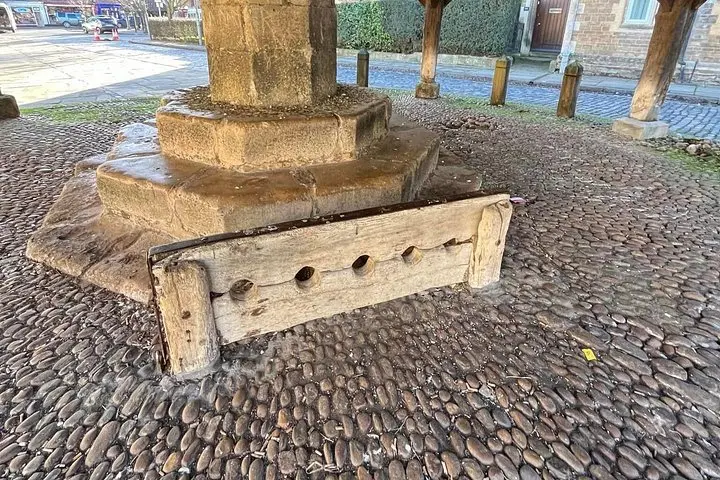
Oakham’s history stretches from a possible Anglo-Saxon burgh to a Norman stronghold; Oakham Castle’s great hall and the array of ceremonial horseshoes are tangible reminders of status, visits and local craft. The 13th-century All Saints Church marks the skyline, while the Buttercross and stocks recall the town’s market-centre heritage. Geologically, the town sits on Mercia Mudstone and sandstone, which gives its older buildings a warm, red-brown face.
Culturally, Rutland is small but proud—food stalls, independent delis, and seasonal markets reflect a local appetite for provenance. The private format means you can linger at the heritage centre, slip into a bakery, or trace the castle walls without a crowd.
Practical guidance: plan for 2–4 hours; some interiors (museum, castle rooms) are closed Sundays and Tuesdays, so check openings ahead. Wear comfortable walking shoes for uneven stone and bring a rain layer—British weather changes fast. Cash is handy for market stalls, though many places accept cards. This is an easy, low-impact urban walk best taken in the morning or late afternoon to avoid peak market bustle.
The private tour runs about 2–4 hours, and the pace and stops are tailored to your group.
The tour price typically covers the guide; entrance fees to museums or special interiors may be extra—confirm at booking.
Much of the route is accessible and the operator notes wheelchair access, but some historic interiors and narrow lanes may have limited access—check specifics when booking.
Yes—the tour is private and can be adjusted to focus on food, architecture, or local history according to your interests.
Ye Olde England Tours operates guided outdoor trips and adventures with an emphasis on safety, stewardship, and memorable experiences.
Morning light slants across Oakham’s market square as the town pulls on its quiet Sunday rhythm—cobblestones cool beneath your feet, the castle’s Norman walls casting long shadows, and the distant call of gulls above the River Gwash. This private walking tour threads those streets at your pace, moving from the great hall with its famous horseshoes to the buttermarket, through lanes that still hold medieval stone and civic memory.
Morning light slants across Oakham’s market square as the town pulls on its quiet Sunday rhythm—cobblestones cool beneath your feet, the castle’s Norman walls casting long shadows, and the distant call of gulls above the River Gwash. This private walking tour threads those streets at your pace, moving from the great hall with its famous horseshoes to the buttermarket, through lanes that still hold medieval stone and civic memory.
Oakham’s history stretches from a possible Anglo-Saxon burgh to a Norman stronghold; Oakham Castle’s great hall and the array of ceremonial horseshoes are tangible reminders of status, visits and local craft. The 13th-century All Saints Church marks the skyline, while the Buttercross and stocks recall the town’s market-centre heritage. Geologically, the town sits on Mercia Mudstone and sandstone, which gives its older buildings a warm, red-brown face.
Culturally, Rutland is small but proud—food stalls, independent delis, and seasonal markets reflect a local appetite for provenance. The private format means you can linger at the heritage centre, slip into a bakery, or trace the castle walls without a crowd.
Practical guidance: plan for 2–4 hours; some interiors (museum, castle rooms) are closed Sundays and Tuesdays, so check openings ahead. Wear comfortable walking shoes for uneven stone and bring a rain layer—British weather changes fast. Cash is handy for market stalls, though many places accept cards. This is an easy, low-impact urban walk best taken in the morning or late afternoon to avoid peak market bustle.