THE ADVENTURE COLLECTIVE® · Independent discovery and booking for outdoor travel
Ride into Marrakech’s Palmeraie and discover a living oasis of palms, irrigation channels and small nomadic settlements. This 3–4 hour guided tour mixes easy dirt tracks with cultural stops and an optional Water Museum visit.
Ride into Marrakech’s Palmeraie and discover a living oasis of palms, irrigation channels and small nomadic settlements. This 3–4 hour guided tour mixes easy dirt tracks with cultural stops and an optional Water Museum visit.
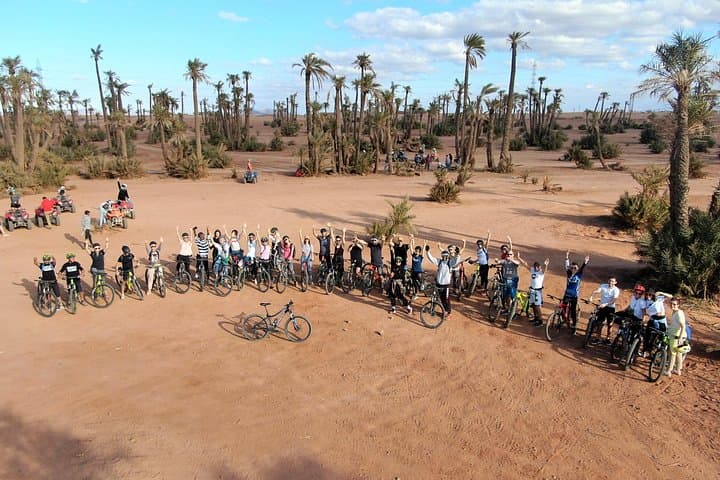
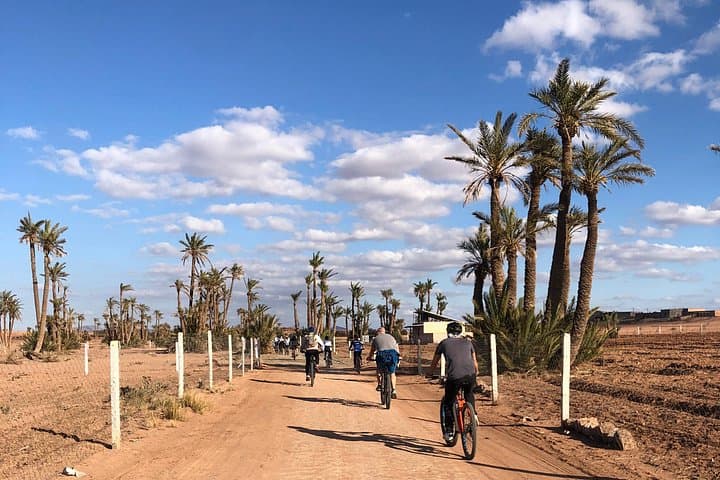
Morning light skims the trunks of date palms as small wheels kick up ribboned dust through Marrakech’s Palmeraie. Riders fall into a steady rhythm—pedal, inhale the scent of date fronds and dry earth, and pass irrigation channels that still feed the oasis. The guide points out an olive tree, a nomadic encampment, a small cluster of ksars folded into the landscape; the palms seem to lean closer, watching the procession.
Verified experiences and guided adventures in the surrounding area.
Operated by Marrakech Green Wheels · Marrakech, Marrakech-Safi
Morning light skims the trunks of date palms as small wheels kick up ribboned dust through Marrakech’s Palmeraie. Riders fall into a steady rhythm—pedal, inhale the scent of date fronds and dry earth, and pass irrigation channels that still feed the oasis. The guide points out an olive tree, a nomadic encampment, a small cluster of ksars folded into the landscape; the palms seem to lean closer, watching the procession.
The Palmeraie is a working oasis shaped by centuries of human water engineering: khettaras and surface canals that turned arid sand into groves. Geologically the area is an alluvial plain at the edge of the High Atlas foothills, and culturally it’s a blend of Berber farming tradition and modern Marrakech leisure. The optional Water Museum explains traditional hydraulics and local irrigation methods.
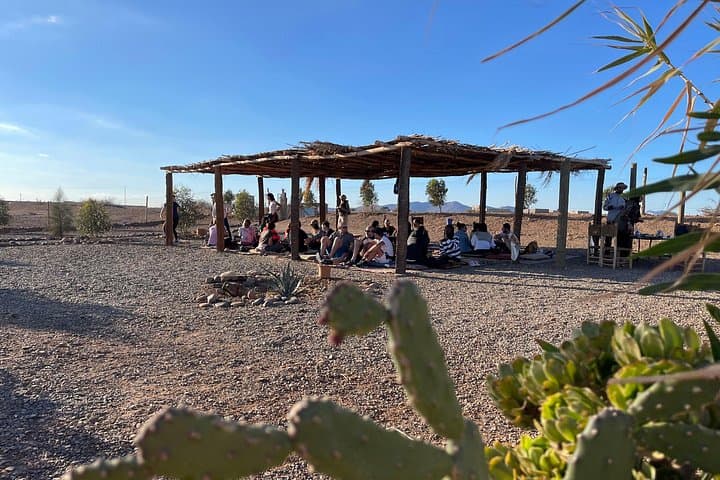
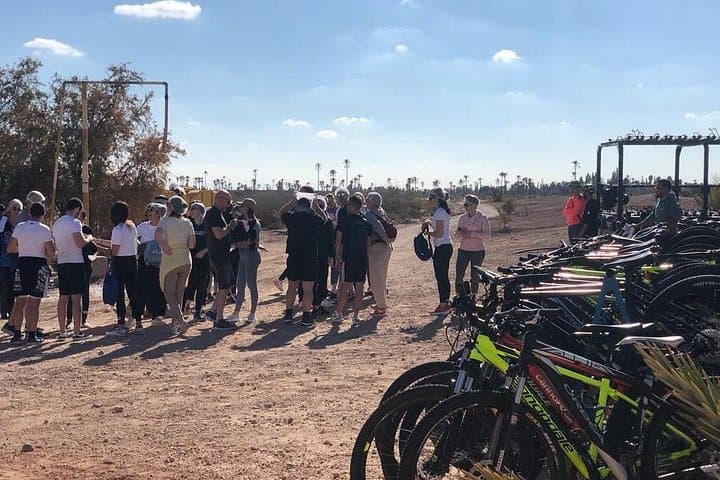
Expect dusty farm tracks, occasional sandy stretches and compacted dirt roads across roughly 12–18 km of route with minimal elevation gain (under 100 m). Group sizes are kept small—typically one guide per eight riders—helmets and bicycles are included, and there’s a water-and-tea break mid-ride. Terrain is family-friendly but requires basic bike handling—sharp turns, loose sand and the odd goat crossing.
Practical tips: go early for cooler temperatures, carry a spare water bottle, wear closed-toe shoes and sun protection, and confirm whether you’ll visit the Water Museum (small additional fee). For riders wanting a relaxed, culturally rich pedal just outside the city, this tour delivers a clear, tactile taste of Marrakech’s living oasis.
The tour runs about 3–4 hours covering approximately 12–18 km on mostly flat dirt tracks; it’s moderate—suitable for riders comfortable pedaling that distance.
Yes—helmets and bicycles are included in the tour price; guides manage group safety and helmet use is required.
The Water Museum is optional and usually not included—there’s a small entrance fee (group and student rates available) if you choose to visit.
For groups of five or more, free transport to the starting point is typically offered—confirm at booking for single riders.
Marrakech Green Wheels operates guided outdoor trips and adventures with an emphasis on safety, stewardship, and memorable experiences.
Morning light skims the trunks of date palms as small wheels kick up ribboned dust through Marrakech’s Palmeraie. Riders fall into a steady rhythm—pedal, inhale the scent of date fronds and dry earth, and pass irrigation channels that still feed the oasis. The guide points out an olive tree, a nomadic encampment, a small cluster of ksars folded into the landscape; the palms seem to lean closer, watching the procession.
Morning light skims the trunks of date palms as small wheels kick up ribboned dust through Marrakech’s Palmeraie. Riders fall into a steady rhythm—pedal, inhale the scent of date fronds and dry earth, and pass irrigation channels that still feed the oasis. The guide points out an olive tree, a nomadic encampment, a small cluster of ksars folded into the landscape; the palms seem to lean closer, watching the procession.
The Palmeraie is a working oasis shaped by centuries of human water engineering: khettaras and surface canals that turned arid sand into groves. Geologically the area is an alluvial plain at the edge of the High Atlas foothills, and culturally it’s a blend of Berber farming tradition and modern Marrakech leisure. The optional Water Museum explains traditional hydraulics and local irrigation methods.
Expect dusty farm tracks, occasional sandy stretches and compacted dirt roads across roughly 12–18 km of route with minimal elevation gain (under 100 m). Group sizes are kept small—typically one guide per eight riders—helmets and bicycles are included, and there’s a water-and-tea break mid-ride. Terrain is family-friendly but requires basic bike handling—sharp turns, loose sand and the odd goat crossing.
Practical tips: go early for cooler temperatures, carry a spare water bottle, wear closed-toe shoes and sun protection, and confirm whether you’ll visit the Water Museum (small additional fee). For riders wanting a relaxed, culturally rich pedal just outside the city, this tour delivers a clear, tactile taste of Marrakech’s living oasis.
