THE ADVENTURE COLLECTIVE® · Independent discovery and booking for outdoor travel

A full‑day circuit from Oaxaca City that combines the colossal Tule tree, traditional weaving in Teotitlán, the Zapotec ruins of Mitla, the petrified cascades of Hierve el Agua, and a mezcal tasting. Perfect for travelers who want culture, geology and hands‑on craft in a single day.
A full‑day circuit from Oaxaca City that combines the colossal Tule tree, traditional weaving in Teotitlán, the Zapotec ruins of Mitla, the petrified cascades of Hierve el Agua, and a mezcal tasting. Perfect for travelers who want culture, geology and hands‑on craft in a single day.
You step out of an air‑conditioned van and the first thing that hits you is scale: a trunk wider than a classroom, bark furrowed like a map of centuries. That is El Árbol del Tule, its shadow swallowing the plaza while nearby Zapotec towns hum with loom rhythm and the distant cliffs at Hierve el Agua glint with mineral crusts that look like frozen waterfalls.
Verified experiences and guided adventures in the surrounding area.
Operated by Syctravel.com · Oaxaca de Juárez, Oaxaca
You step out of an air‑conditioned van and the first thing that hits you is scale: a trunk wider than a classroom, bark furrowed like a map of centuries. That is El Árbol del Tule, its shadow swallowing the plaza while nearby Zapotec towns hum with loom rhythm and the distant cliffs at Hierve el Agua glint with mineral crusts that look like frozen waterfalls.
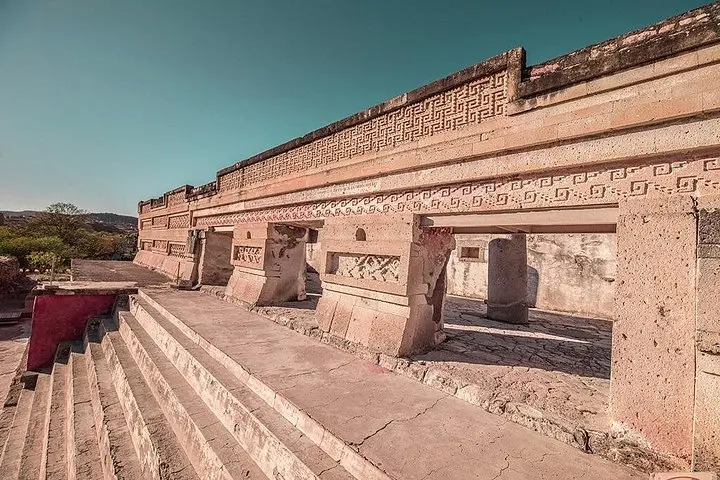
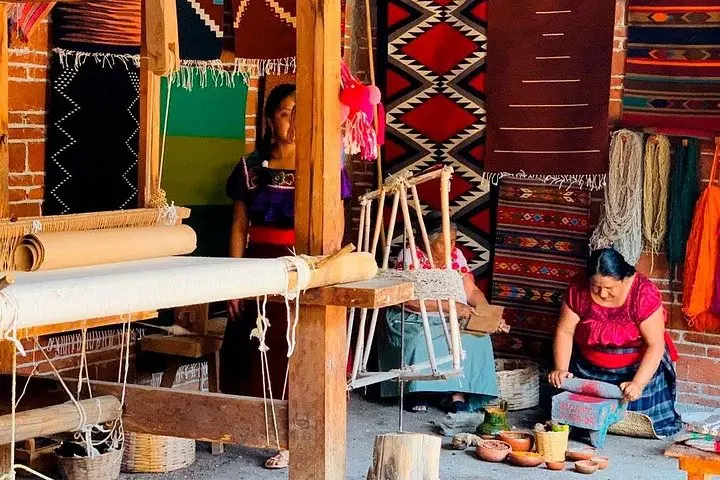
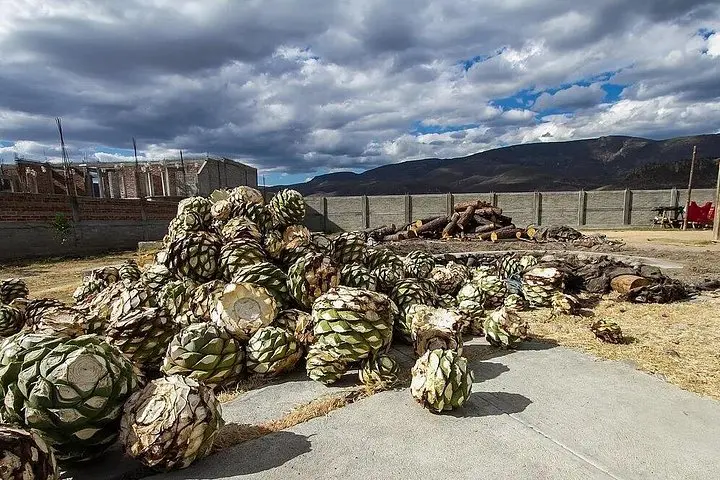
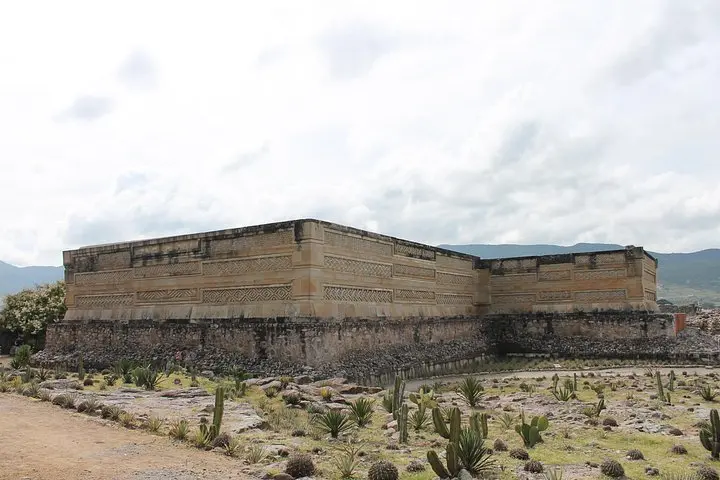
This loop from Oaxaca City threads history, geology and living craft. Teotitlán del Valle still dyes wool with cochineal and plants, weaving Zapotec motifs that echo glyphs carved later at Mitla — a post‑classic ceremonial center known for its geometric fretwork and funerary significance. The petrified cascades at Hierve el Agua formed as mineral‑rich springs deposited travertine over millennia, creating terraces and natural pools that play against an arid Sierra Madre backdrop. The day ends in a mezcalería where agave fibers, earthen pits and copper stills tell the story of a distillation tradition tied to land and ritual.
Expect long but manageable walking, short stair climbs at Mitla and brief hikes around the travertine edges; bring sun protection and a refillable bottle for dry highland air. Best timing is early departure from Oaxaca to avoid midday crowds at Hierve and to maximize light for photos. Comfortable shoes and a light wind layer will keep you moving across mixed terrain.
This is a cultural‑geologic circuit as much as a hike — it rewards curiosity, patience, and a readiness to taste local life.
The tour is about 10–11 hours and typically includes transportation, guide, and admissions for El Tule, Mitla and Hierve el Agua; mezcal tasting and some entrances are also included per the operator.
Infants must sit on an adult’s lap during transport; the itinerary requires moderate walking so families should assess comfort with long days.
Yes — most workshops sell rugs and garments made with natural dyes; buying in the village supports traditional artisans.
Terraced mineral formations and shallow pools with panoramic views; modest swimming is possible in designated pools but terrain is rocky and hot in midday.
Syctravel.com operates guided outdoor trips and adventures with an emphasis on safety, stewardship, and memorable experiences.
You step out of an air‑conditioned van and the first thing that hits you is scale: a trunk wider than a classroom, bark furrowed like a map of centuries. That is El Árbol del Tule, its shadow swallowing the plaza while nearby Zapotec towns hum with loom rhythm and the distant cliffs at Hierve el Agua glint with mineral crusts that look like frozen waterfalls.
You step out of an air‑conditioned van and the first thing that hits you is scale: a trunk wider than a classroom, bark furrowed like a map of centuries. That is El Árbol del Tule, its shadow swallowing the plaza while nearby Zapotec towns hum with loom rhythm and the distant cliffs at Hierve el Agua glint with mineral crusts that look like frozen waterfalls.
This loop from Oaxaca City threads history, geology and living craft. Teotitlán del Valle still dyes wool with cochineal and plants, weaving Zapotec motifs that echo glyphs carved later at Mitla — a post‑classic ceremonial center known for its geometric fretwork and funerary significance. The petrified cascades at Hierve el Agua formed as mineral‑rich springs deposited travertine over millennia, creating terraces and natural pools that play against an arid Sierra Madre backdrop. The day ends in a mezcalería where agave fibers, earthen pits and copper stills tell the story of a distillation tradition tied to land and ritual.
Expect long but manageable walking, short stair climbs at Mitla and brief hikes around the travertine edges; bring sun protection and a refillable bottle for dry highland air. Best timing is early departure from Oaxaca to avoid midday crowds at Hierve and to maximize light for photos. Comfortable shoes and a light wind layer will keep you moving across mixed terrain.
This is a cultural‑geologic circuit as much as a hike — it rewards curiosity, patience, and a readiness to taste local life.