THE ADVENTURE COLLECTIVE® · Independent discovery and booking for outdoor travel

Spend a day moving through Zapotec history, artisan workshops and a family palenque on a private tour from Oaxaca’s Zócalo. Expect Monte Albán’s terraces, hand-dyed rugs in Teotitlán and a mezcal tasting at a working palenque.
Spend a day moving through Zapotec history, artisan workshops and a family palenque on a private tour from Oaxaca’s Zócalo. Expect Monte Albán’s terraces, hand-dyed rugs in Teotitlán and a mezcal tasting at a working palenque.
You step out into Oaxaca's Zócalo as morning light lays a flat, warm hand over the plaza. The cathedral bells mark the start of a full day: stone terraces and pre-Hispanic plazas, painted alebrijes being carved in a village workshop, the sweet smoke of a palenque curling from stills. The guide gathers the group at the Mexican flagpole and the city opens like a map.
Verified experiences and guided adventures in the surrounding area.
Operated by Trip Tours Oaxaca · Oaxaca de Juárez, Oaxaca
You step out into Oaxaca's Zócalo as morning light lays a flat, warm hand over the plaza. The cathedral bells mark the start of a full day: stone terraces and pre-Hispanic plazas, painted alebrijes being carved in a village workshop, the sweet smoke of a palenque curling from stills. The guide gathers the group at the Mexican flagpole and the city opens like a map.
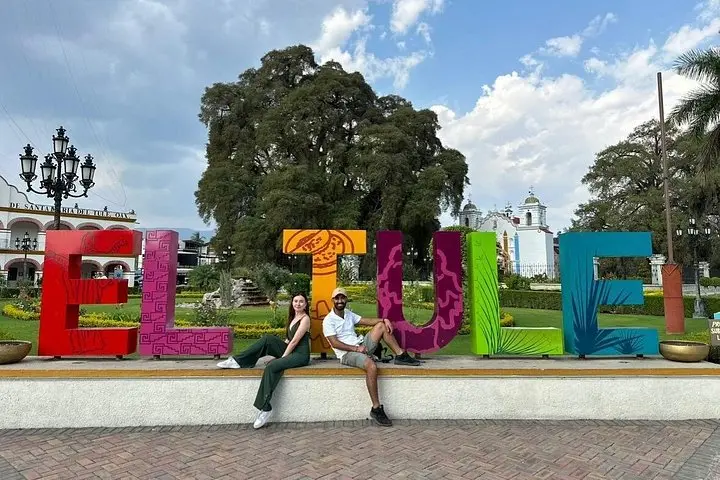
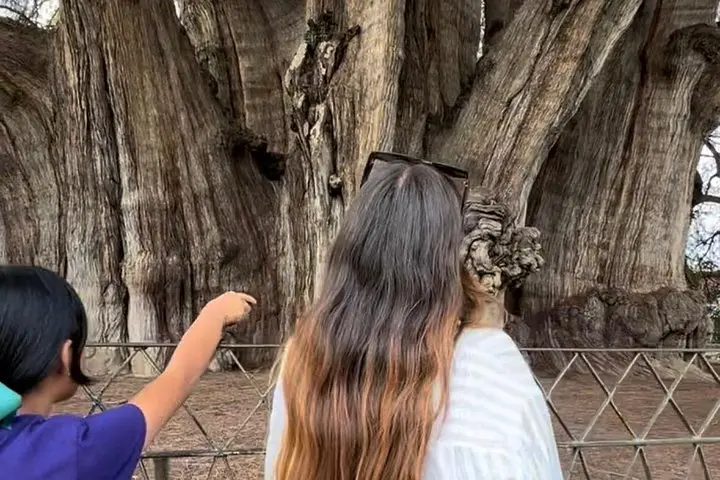
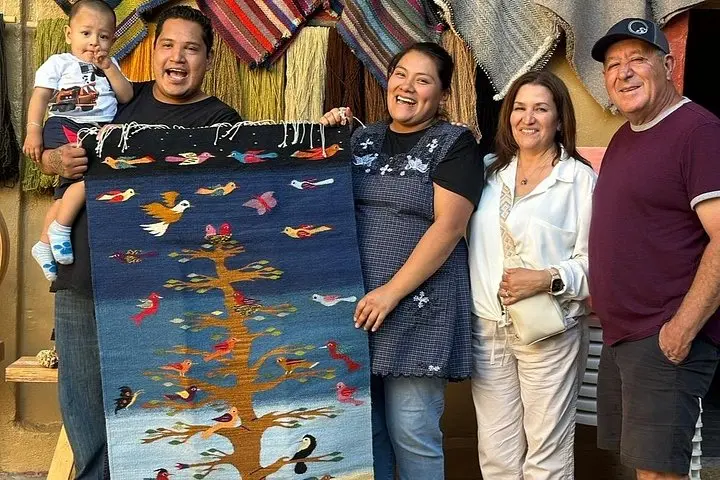
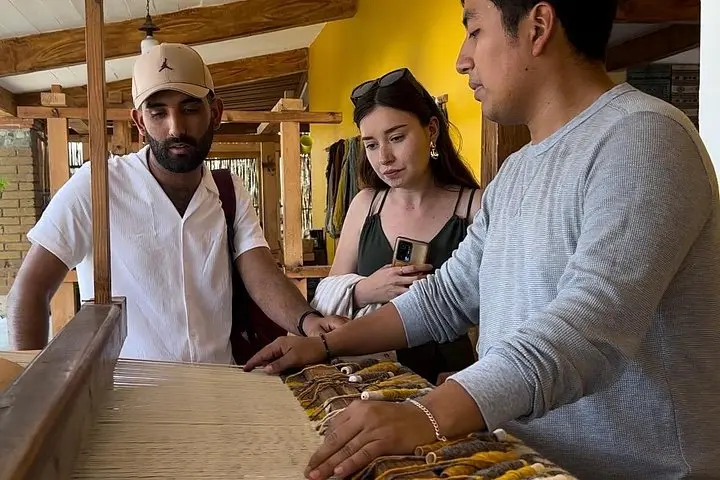
Monte Albán dominates the narrative — a Zapotec capital built on a flattened hill where plazas, tombs and carved stone align with valley vistas. The region’s geology is volcanic highland: compacted ash and andesite foundations that made raised platforms possible and gave the valley its breathable elevation. In San Antonio Arrazola you’ll see alebrijes—wooden figures colored with symbolic palettes—and in Teotitlán del Valle artisans still set dyes from cochineal and plants into handwoven wool rugs. The Árbol del Tule in Santa María, a living ahuehuete, measures time in trunks and invites quiet respect. A palenque visit closes the loop with an explanation of agave species, pulque and mezcal production.
Practically: expect an 8-hour private tour with short walks, uneven surfaces and some stairs at archaeological sites. Bring sun protection, cash for purchases, comfortable closed shoes and an empty water bottle to refill. The guide typically provides bottled water, transportation with AC, and a small mezcal tasting; book ahead to secure limited group size. This itinerary balances cultural depth with on-the-ground logistics so you leave with context, craft, and a clear sense of how Oaxaca makes its flavor and form.
The tour visits Monte Albán with a guided stop; entrance fees are typically not included in third-party listings—confirm with the operator when booking.
Yes — non-alcoholic visitors can still tour the palenque, observe distillation and sample local agave products or small bites instead.
Yes — pickup from many Oaxaca hotels is offered; confirm your pickup point and any additional timing details when you book.
The operator notes stroller accessibility for short distances, but Monte Albán involves uneven terrain and stairs, so plan accordingly for any young children.
Trip Tours Oaxaca operates guided outdoor trips and adventures with an emphasis on safety, stewardship, and memorable experiences.
You step out into Oaxaca's Zócalo as morning light lays a flat, warm hand over the plaza. The cathedral bells mark the start of a full day: stone terraces and pre-Hispanic plazas, painted alebrijes being carved in a village workshop, the sweet smoke of a palenque curling from stills. The guide gathers the group at the Mexican flagpole and the city opens like a map.
You step out into Oaxaca's Zócalo as morning light lays a flat, warm hand over the plaza. The cathedral bells mark the start of a full day: stone terraces and pre-Hispanic plazas, painted alebrijes being carved in a village workshop, the sweet smoke of a palenque curling from stills. The guide gathers the group at the Mexican flagpole and the city opens like a map.
Monte Albán dominates the narrative — a Zapotec capital built on a flattened hill where plazas, tombs and carved stone align with valley vistas. The region’s geology is volcanic highland: compacted ash and andesite foundations that made raised platforms possible and gave the valley its breathable elevation. In San Antonio Arrazola you’ll see alebrijes—wooden figures colored with symbolic palettes—and in Teotitlán del Valle artisans still set dyes from cochineal and plants into handwoven wool rugs. The Árbol del Tule in Santa María, a living ahuehuete, measures time in trunks and invites quiet respect. A palenque visit closes the loop with an explanation of agave species, pulque and mezcal production.
Practically: expect an 8-hour private tour with short walks, uneven surfaces and some stairs at archaeological sites. Bring sun protection, cash for purchases, comfortable closed shoes and an empty water bottle to refill. The guide typically provides bottled water, transportation with AC, and a small mezcal tasting; book ahead to secure limited group size. This itinerary balances cultural depth with on-the-ground logistics so you leave with context, craft, and a clear sense of how Oaxaca makes its flavor and form.