THE ADVENTURE COLLECTIVE® · Independent discovery and booking for outdoor travel

Walk Oaxaca’s streets with a local to taste street food, see the Zócalo, and learn about Zapotec heritage in two hours of city exploration. Practical tips, market stops, and a hidden gem round out the experience.
Walk Oaxaca’s streets with a local to taste street food, see the Zócalo, and learn about Zapotec heritage in two hours of city exploration. Practical tips, market stops, and a hidden gem round out the experience.
The city breathes in color and spice as you step off the plaza into Oaxaca’s narrow streets. Cobblestones click underfoot while vendors call out mezcal tastings and tlayudas; the church bells mark time as the guide threads history into the present. This walking tour moves at a human pace—two hours of neighborhoods, markets and one carefully chosen hidden gem—designed to make the city’s textures tangible.
Verified experiences and guided adventures in the surrounding area.
Operated by The Mezcal Journey · Oaxaca de Juárez, Oaxaca
The city breathes in color and spice as you step off the plaza into Oaxaca’s narrow streets. Cobblestones click underfoot while vendors call out mezcal tastings and tlayudas; the church bells mark time as the guide threads history into the present. This walking tour moves at a human pace—two hours of neighborhoods, markets and one carefully chosen hidden gem—designed to make the city’s textures tangible.
Oaxaca grew from Zapotec and Mixtec roots, layered by Spanish colonial gridwork and 19th‑century porphyry stone facades. The geology of the valley—limestone ridges and volcanic foothills—shaped settlement patterns and the rich local agriculture that feeds the city’s markets. Visitors encounter architectural highlights, from the ornate Baroque of the cathedral to the lighter, vernacular houses that frame daily life.
Culturally, the tour focuses on food and social life: street food stalls, family‑run fondas, and the market “pasillos” where smoke and spice dare you closer. Expect sensory detail—bright chilies, warm tortillas, and the faint smoke of slow‑roasted meats—explained with local context and recommendations for where to eat well after the tour ends.
Practically, this is an easy, urban walk over uneven cobbles; comfortable shoes and sun protection matter. Bring small bills for tastings, a reusable water bottle, and modest attire if visiting churches. Morning departures avoid midday heat and give cleaner light for photos. For travelers who want a quick but nuanced orientation to Oaxaca’s culinary and cultural fabric, this tour is an efficient, grounded introduction.
Most tours meet at or very near the Zócalo (central plaza) in Oaxaca City—check your confirmation for the exact meeting point and arrive 10 minutes early.
Tastings at select stalls are typically included or offered as small sampled items, but plan to bring cash for additional bites and full meals after the tour.
The route uses historic streets and cobblestones; while the tour is gentle, it may be difficult for those using wheelchairs or with limited mobility—check with the operator in advance.
Guides usually speak Spanish and English; confirm language availability when booking if you require another language.
The Mezcal Journey operates guided outdoor trips and adventures with an emphasis on safety, stewardship, and memorable experiences.
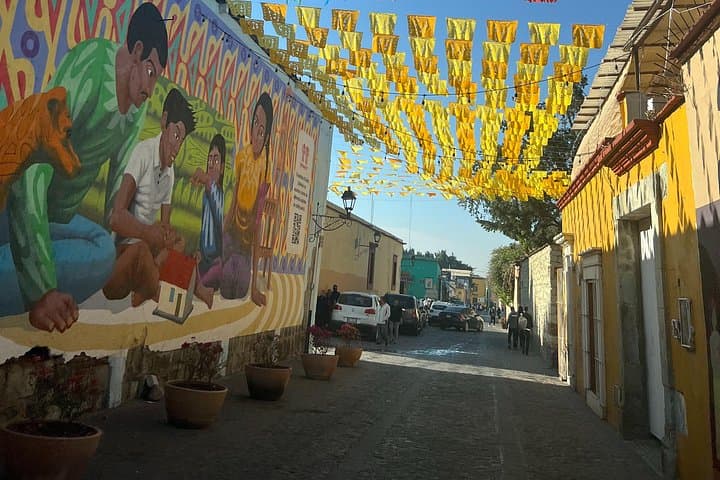


The city breathes in color and spice as you step off the plaza into Oaxaca’s narrow streets. Cobblestones click underfoot while vendors call out mezcal tastings and tlayudas; the church bells mark time as the guide threads history into the present. This walking tour moves at a human pace—two hours of neighborhoods, markets and one carefully chosen hidden gem—designed to make the city’s textures tangible.
The city breathes in color and spice as you step off the plaza into Oaxaca’s narrow streets. Cobblestones click underfoot while vendors call out mezcal tastings and tlayudas; the church bells mark time as the guide threads history into the present. This walking tour moves at a human pace—two hours of neighborhoods, markets and one carefully chosen hidden gem—designed to make the city’s textures tangible.
Oaxaca grew from Zapotec and Mixtec roots, layered by Spanish colonial gridwork and 19th‑century porphyry stone facades. The geology of the valley—limestone ridges and volcanic foothills—shaped settlement patterns and the rich local agriculture that feeds the city’s markets. Visitors encounter architectural highlights, from the ornate Baroque of the cathedral to the lighter, vernacular houses that frame daily life.
Culturally, the tour focuses on food and social life: street food stalls, family‑run fondas, and the market “pasillos” where smoke and spice dare you closer. Expect sensory detail—bright chilies, warm tortillas, and the faint smoke of slow‑roasted meats—explained with local context and recommendations for where to eat well after the tour ends.
Practically, this is an easy, urban walk over uneven cobbles; comfortable shoes and sun protection matter. Bring small bills for tastings, a reusable water bottle, and modest attire if visiting churches. Morning departures avoid midday heat and give cleaner light for photos. For travelers who want a quick but nuanced orientation to Oaxaca’s culinary and cultural fabric, this tour is an efficient, grounded introduction.